Compatibility varies by product: many freestanding garage stands fit 22–28" wheels and tires up to about 2.2" wide. Some hitch racks and platform carriers support 17–29" wheels and tires up to about 5.5" wide. Wheelbase capacity is also specified on some racks (examples list up to about 63.7"). Always check the product’s stated ranges for exact fit.
Capacities vary by type: small hitch or platform carriers often list totals around 150 lb, some heavy‑duty hitch racks list about 180 lb total, large floor organizers advertise up to 500 lb or more for multi‑bike setups, and motorcycle paddock stands are rated much higher (example: ~850 lb). Check per‑model capacity ratings when choosing for heavier bikes or multiple bikes.
Options range from fully assembled units (no assembly required) to products that need adult assembly with tools—some include the necessary hardware. Vehicle‑mounted racks commonly install into a 2" hitch receiver and include DIY hardware or quick‑connect fittings for straightforward attachment.
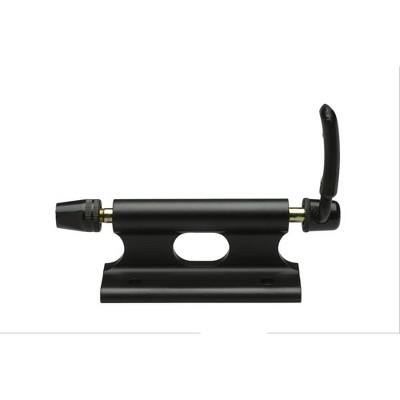
Hitch‑mount racks commonly fold flat and include quick‑release tilt or fold mechanisms so they can tilt for tailgate access and collapse compactly for garage storage. Many use quick‑connect pins or similar fast‑attachment hardware for fast removal and reinstallation.
Floor racks come in configurable layouts: single‑side racks typically hold roughly 5–10 bikes depending on spacing, while double‑side or back‑to‑back setups can hold about 10 bikes in the same footprint. Some long organizers (examples list lengths like 122") let you park many bicycles side by side for dense storage—check per‑model spacing to estimate capacity.
Many stands are rated for both indoor and outdoor use. Floor racks and freestanding units often offer all‑weather or marine‑grade finishes so they can be used in streets, yards, garages, retail spaces, schools, and events. Verify the finish and corrosion resistance if you expect regular outdoor exposure.