Target New ArrivalsBack to SchoolCollegeHalloweenClothing, Shoes & AccessoriesHome & DecorKitchen & DiningOutdoor Living & GardenGroceryHousehold EssentialsBabyBeautyPersonal CareSports & OutdoorsPetsHealthWellnessSchool & Office SuppliesToys & GamesElectronics & TechVideo GamesMovies, Music & BooksParty SuppliesGift IdeasGift CardsShop by CommunityTarget OpticalDealsClearanceNew ArrivalsBack to SchoolCollegeTop DealsTarget Circle DealsWeekly AdShop Order PickupShop Same Day DeliveryRegistryRedCardTarget CircleFind Stores

raising bilingual children

1,000+ results for “raising bilingual children”
Big Kids, Bigger Feelings - by Alyssa Blask Campbell & Rachel Stuart Lounder

Raising Autism - by  Kate Swenson (Hardcover)

$32.49
Release date Tue, Mar 30
Ships free -

My First Bilingual Book - Belonging (English-Japanese) - by  Patricia Billings (Board Book)

$8.99
Release date Thu, Oct 1
Ships free -

Sponsored

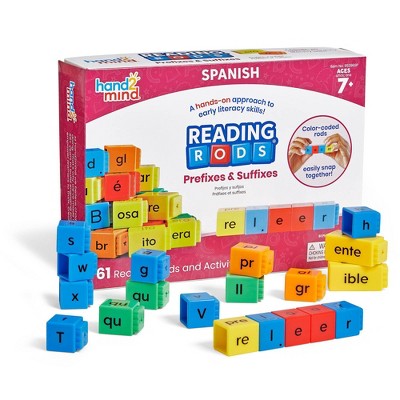
Hand2Mind Reading Rods (Spanish): Alphabet & Syllables

100 First Words for Toddlers - by Jayme Yannuzzi

$8.53 - $14.99
MSRP $8.99 - $14.99

Raising Good Humans Every Day - by Hunter Clarke-Fields

Sponsored

Powered by AI

Guests also ask:

The books consistently recommend starting in early childhood, noting that “the best time to learn a second language is as a child.”

Many titles offer step-by-step guidance for integrating multiple languages into daily routines. Some also include specific tools such as diagnostic self-assessments to help parents plan and track language strategies.

At least one book presents the Interdisciplinary Biliteracy Sequence (IBS), a framework designed to support bilingual learning in preschool classrooms.

Many draw on recent research and the authors' academic expertise, offering summaries of current studies and evidence-based discussions of multilingual acquisition.

They emphasize strong family–school partnerships, urging schools to work with families and communities to support multilingual learners. Many include bilingual (English/Spanish) chapters and practical examples of engagement practices.

They debunk the myth that multiple languages harm a child’s development, note concerns such as skepticism from teachers or professionals, and summarize research showing linguistic, creative, and social benefits of multilingual exposure.

They discuss challenges trilingual families face in mainly monolingual societies, highlight differences between bilingualism and trilingualism, and offer strategy tools and case-study material such as diagnostic self-analyses and long-term family studies.

Get top deals, latest trends, and more.