Target New ArrivalsChristmasGift IdeasHoliday Kids CatalogHome & DecorKitchen & DiningToys & GamesElectronics & TechVideo GamesGift CardsClothing, Shoes & AccessoriesGroceryBabyBeautyTarget Beauty StudioPersonal CareHousehold EssentialsHealthWellnessBooks, Music & MoviesSports & OutdoorsPetsSchool & Office SuppliesParty SuppliesAutomotiveTarget OpticalClearanceNew ArrivalsChristmasGift IdeasTop DealsTarget Circle DealsWeekly AdShop Order PickupShop Same Day DeliveryRegistryRedCardTarget CircleFind Stores

raising successful children

638 results for “raising successful children”
Resort Kids' Club Management - by  Hugues Séraphin & Kévin Grande (Hardcover)

$115.00
Release date Wed, Feb 3
Ships free -

How to Be a Leader - (Creating Success) by Mike Clayton

$16.99 - $27.99
Release date Tue, Jan 26
Shipping dates may vary
Sponsored
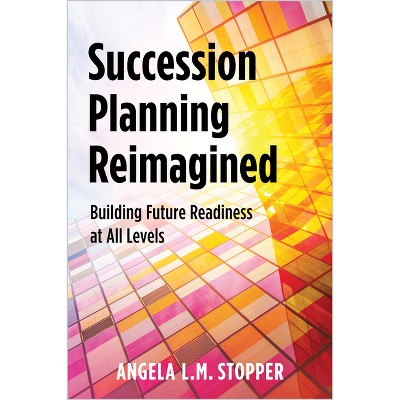
Succession Planning Reimagined - by  Angela L M Stopper (Paperback)

$38.99
Release date Tue, Feb 23
Ships free -

Secrets of Success with Nlp - by  Judy Bartkowiak (Paperback)

Sponsored

Powered by AI

Guests also ask:

The books address key areas linked to children’s success: communication and early language development; promoting independence and avoiding overparenting; emotional regulation and mindfulness; ADHD and other special needs; cultural approaches to cooperation; managing achievement pressure; and the effects of technology on childhood.

Most titles are aimed at adult readers (listed as “Suggested Age: 22 Years and Up”), meaning parents and caregivers. At least one title in the set is explicitly targeted at teenagers (listed as “Suggested Age: 13–19 Years”).

They provide concrete tools parents can use: conversation frameworks (for example, the “Three Ts”), guiding principles and evaluation frameworks for new technologies, scripts and conversation starters for difficult topics, and mindfulness-based techniques for supporting emotional regulation.

Several titles explicitly tackle technology: one examines AI’s impact on childhood and offers guiding principles plus an evaluation framework; another is updated for the digital age and discusses cyberbullying and social media; others highlight how an internet-saturated culture complicates parent–child communication.

Common emphases include parent-driven language and cognitive development, self-sufficiency and resilience, emotional intelligence and regulation, grit and leadership skills, and helping children feel they matter rather than being defined only by achievement.

Some books recommend replacing strict control with cooperation and calm responses: examples include involving children in household tasks from an early age, using calm, constructive responses instead of yelling, and avoiding shouting, nagging, or punitive time-outs.

Sponsored

Get top deals, latest trends, and more.