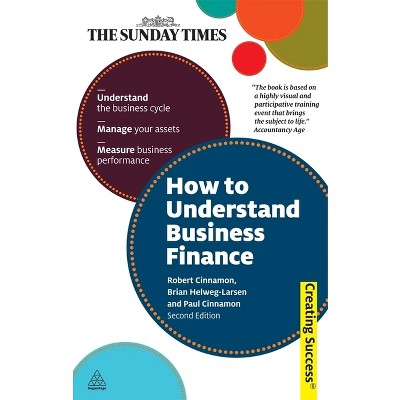
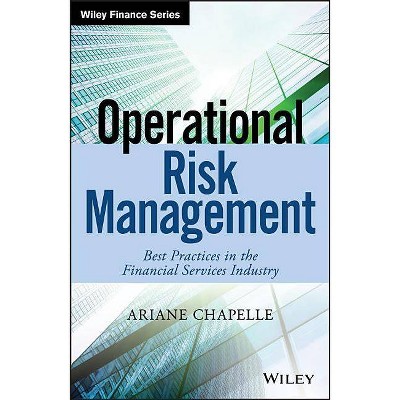
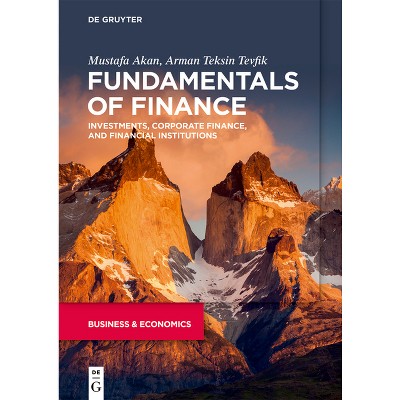
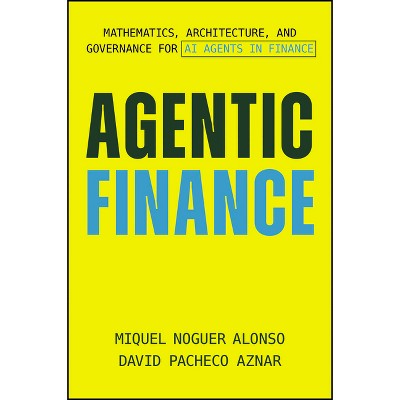
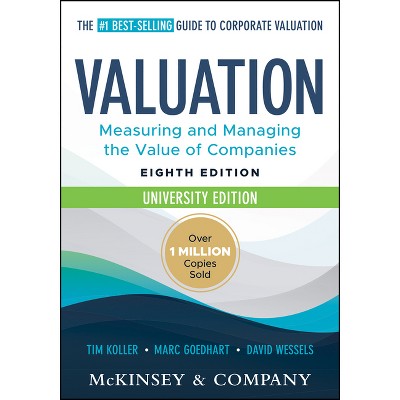
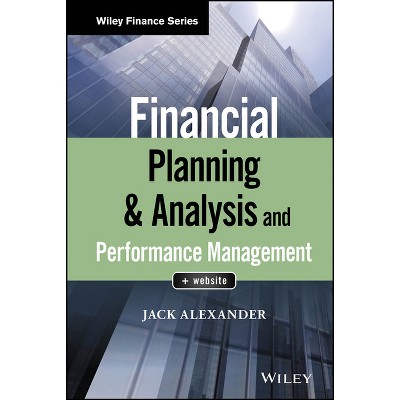
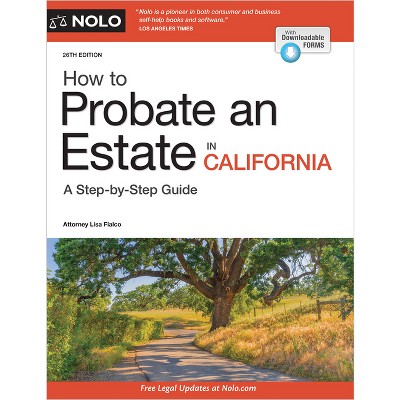
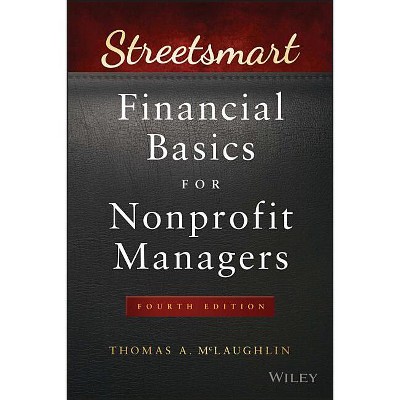
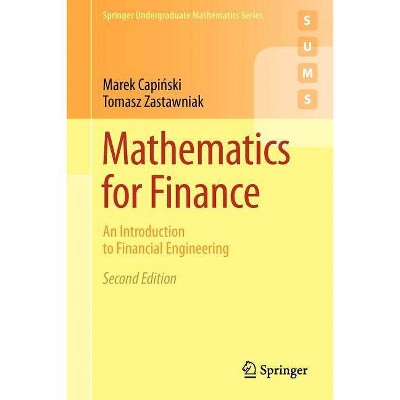
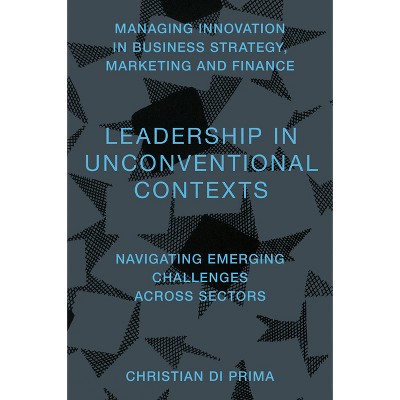
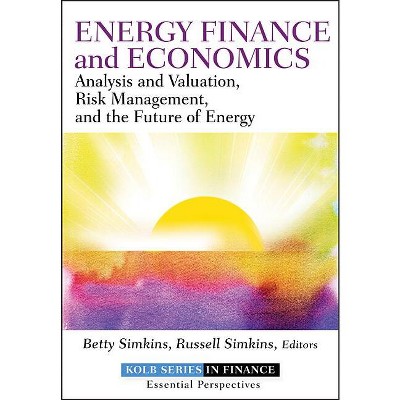
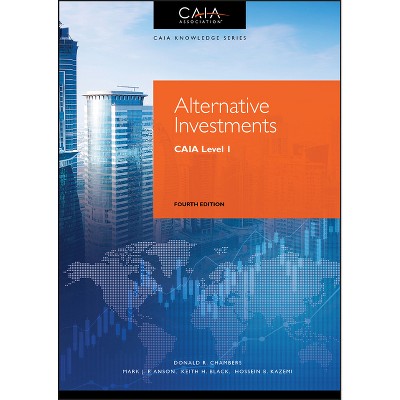
Most are published in paperback or hardcover formats. Typical page counts fall in the mid-hundreds—commonly around 228 to 306 pages.
They target a wide audience—from complete beginners and aspiring individual investors to industry professionals such as developers, brokers, lenders, property operators, facility managers, and real-estate technology entrepreneurs.
Common topics include entity structures (for example trusts and LLCs), liability and privacy strategies, tax planning, and techniques for capturing tax and cash-flow benefits for investors.
They span a range: some are clear, beginner-focused guides with step-by-step content and downloadable tools, while others are technical, industry-level analyses aimed at practitioners. Certain titles explicitly target newcomers; others present in-depth studies based on professional experience.
They address a broad set of property types—retail, lodging/hospitality, residential, office, industrial/logistics, multifamily, and raw or agricultural land—and cover market and use cases like commercial investing, ADUs, subdivisions, and assisted-living conversions.
Many include worksheets and downloadable analyzers (valuation, rental-comparison, and fix-and-flip tools), digital templates, planners, and checklists such as goal planners, finance-request templates, and attorney/CPA selection checklists.