Target New ArrivalsChristmasGift IdeasHoliday Kids CatalogHome & DecorToys & GamesElectronics & TechVideo GamesGift CardsClothing, Shoes & AccessoriesGroceryBabyBeautyTarget Beauty StudioPersonal CareHousehold EssentialsHealthWellnessBooks, Music & MoviesSports & OutdoorsPetsSchool & Office SuppliesParty SuppliesAutomotiveTarget OpticalClearanceNew ArrivalsChristmasGift IdeasTop DealsTarget Circle DealsWeekly AdShop Order PickupShop Same Day DeliveryRegistryRedCardTarget CircleFind Stores

shoulder carrier

1,000+ results for “shoulder carrier”
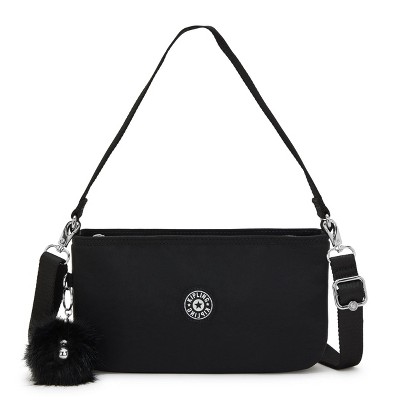
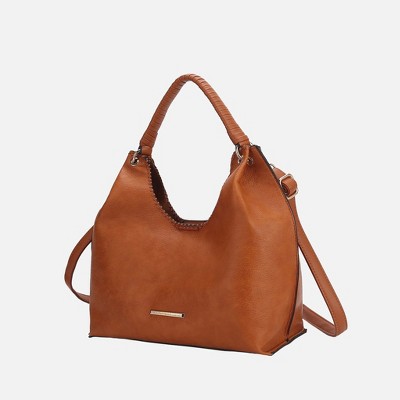
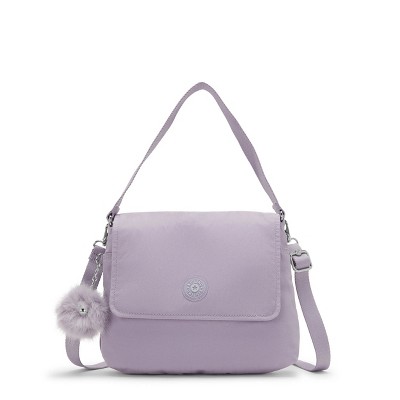
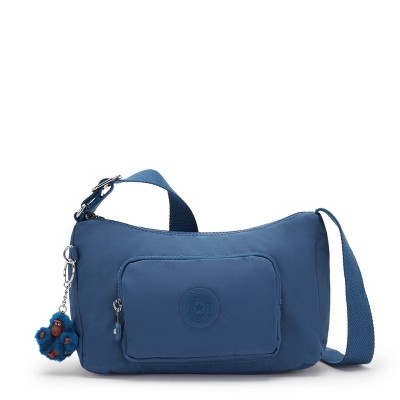
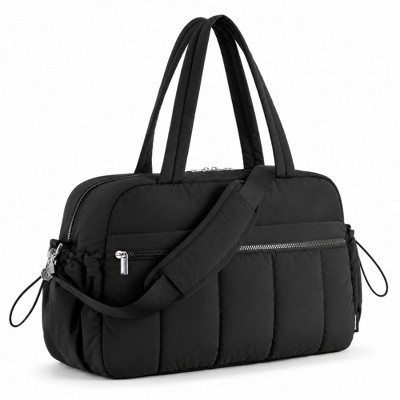
Kipling Jamari Shoulder Bag

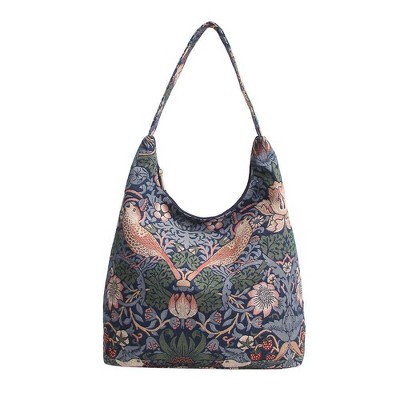
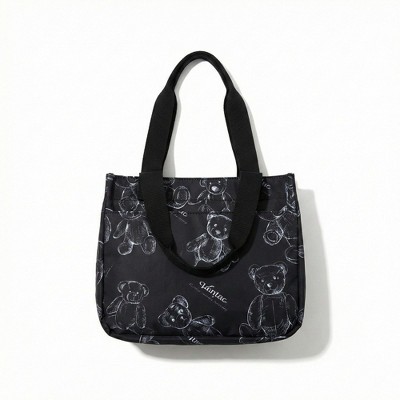
Kipling Siraz Shoulder Bag

$69.30
reg $99.00
Sale

Sponsored

Sponsored

Powered by AI

Guests also ask:

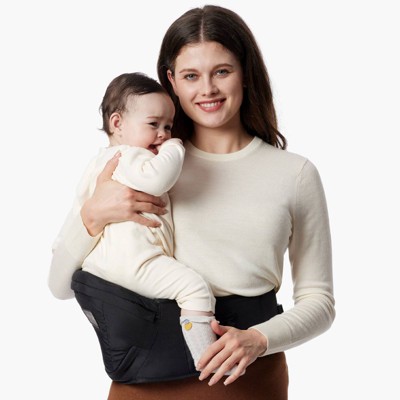
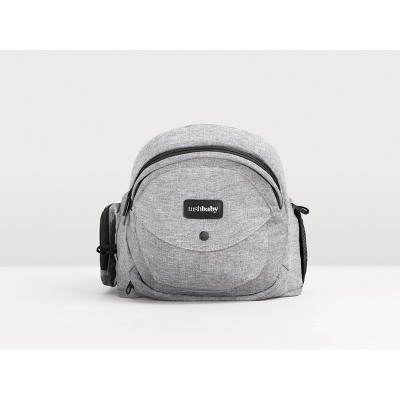
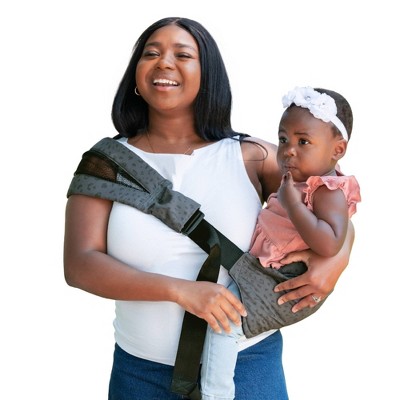
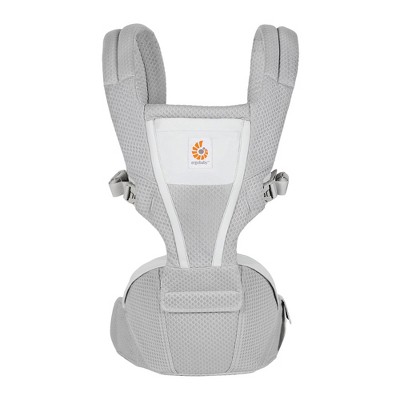
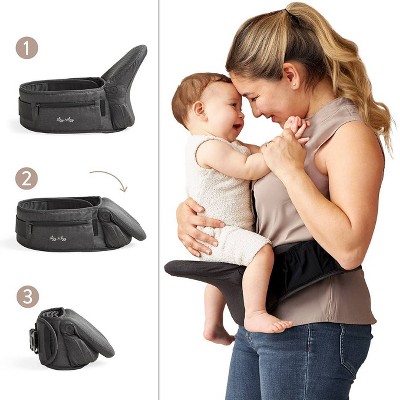
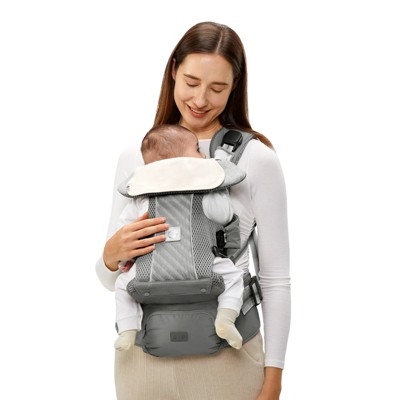
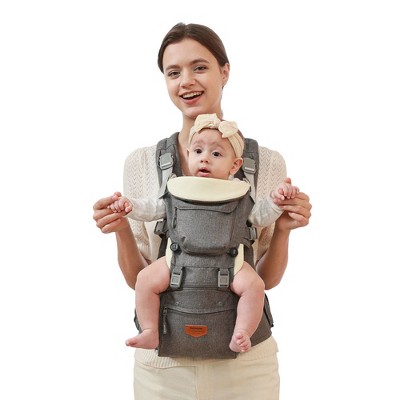
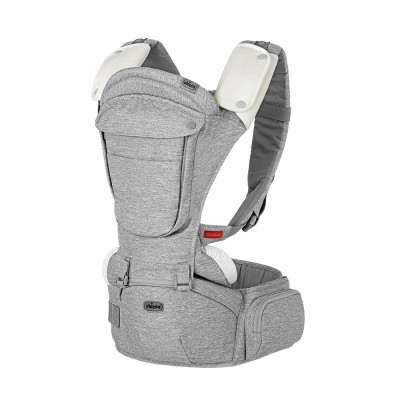
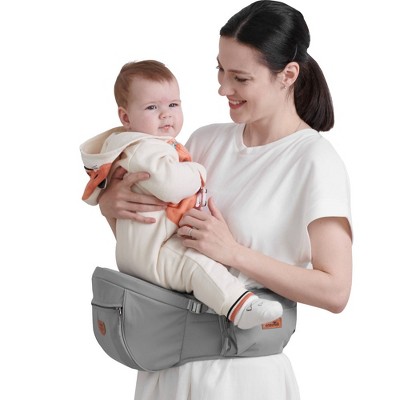
Most shoulder carriers support newborns through toddlers (roughly newborn to about 0–3 years). Weight capacities commonly start around 7–8 pounds and typically range up to about 26–35 pounds, depending on the specific model.

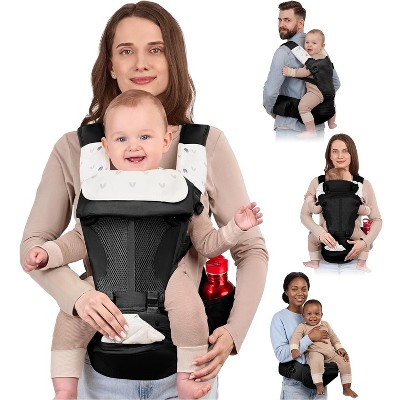
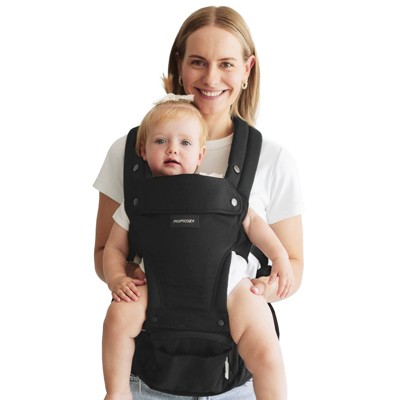
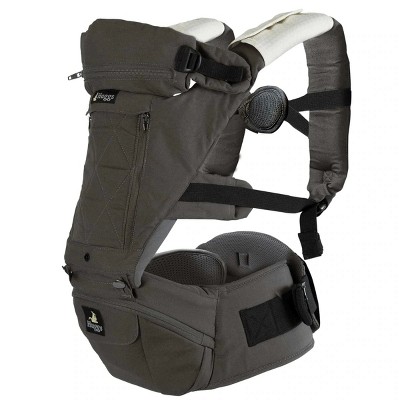
Many carriers use adjustable harnesses with buckle closures and hardware for a secure, quick-fit setup. Wrap-style carriers are buckle-free and rely on double-loop or T-shirt–style wrapping to hold the baby in place, offering a softer, more form-fitting option.

Carriers commonly use textile blends such as cotton, polyester, and spandex for the main fabric. Hardware and structural components are usually made from plastic or metal.

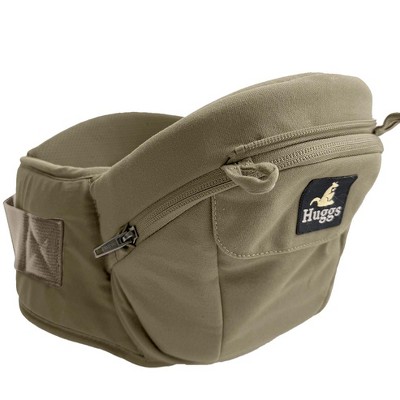
Ergonomic features commonly include padded, adjustable shoulder straps; crisscross or vest-style strap designs that spread load across the shoulders and back; adjustable waist belts that transfer weight to the hips; and ergonomic seats to support the baby’s hips and legs.

Adjustability varies by model. Shoulder straps are commonly adjustable and often crossable for fit, while waist belts range widely—some descriptions note expansion up to about 50 inches or specify ranges such as 25–58 inches.

Skip to next section

Get top deals, latest trends, and more.