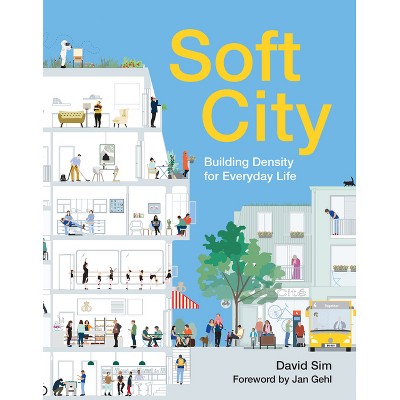
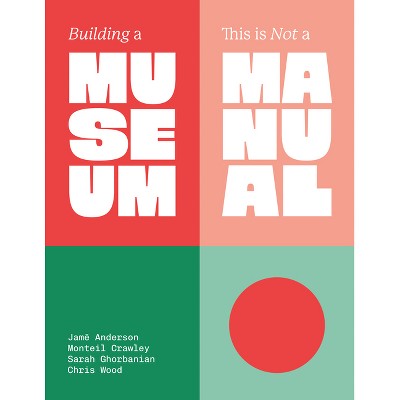
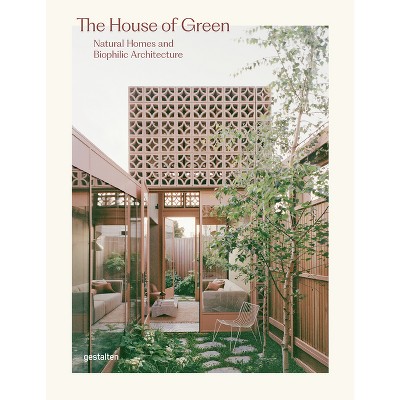
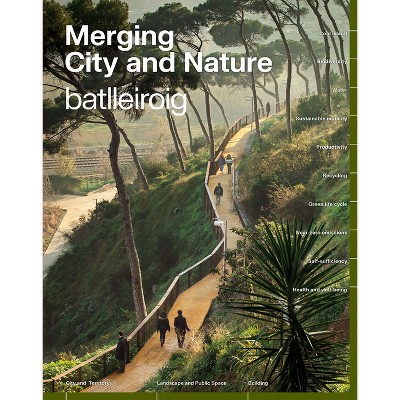
They discuss embodied carbon and low‑carbon material alternatives, describe biomimicry‑inspired innovations, and examine construction techniques and material strategies aimed at reducing and phasing out carbon.
Several examine climate‑mediating strategies and regional adaptability, tracing historical passive‑design approaches alongside contemporary methods for responding to changing climates.
The titles target a mix of audiences: architects and designers, students, builders and contractors, and homeowners interested in sustainable, high‑performance buildings.
They appear in both hardcover and paperback editions; page counts in this set range from about 160 to 545 pages.
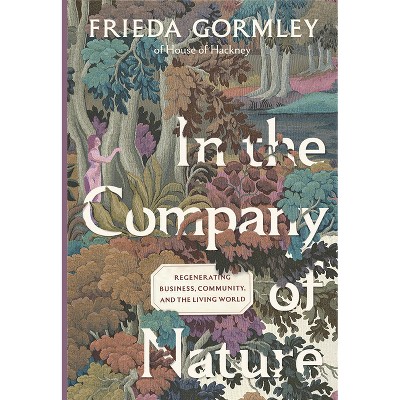
Some works place business and cultural change at the center of sustainability, discussing regenerative business practices, how small and medium enterprises can catalyze change, and cultural shifts away from consumerism toward simpler, nature‑connected living.
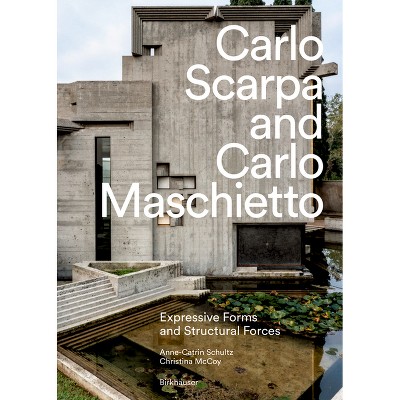
The selection includes historical studies of twentieth‑century modernism’s climate strategies, global case studies, and region‑specific collections such as Pacific Coast owner‑built homes.