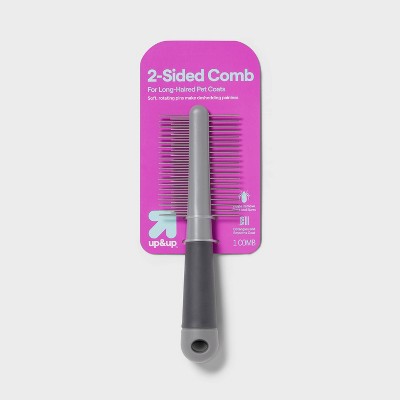
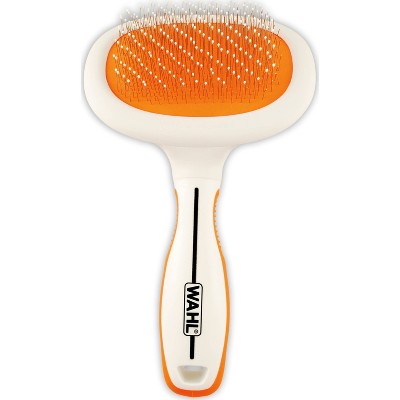
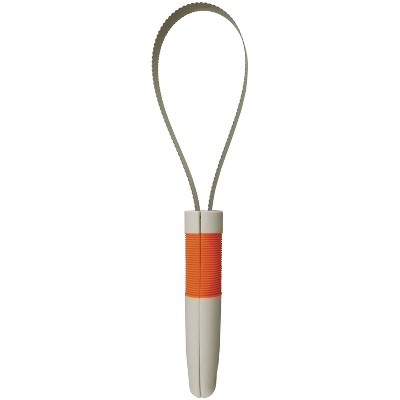
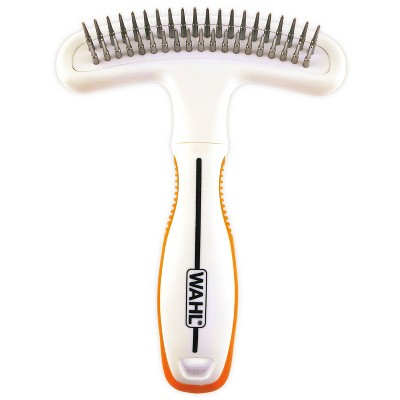
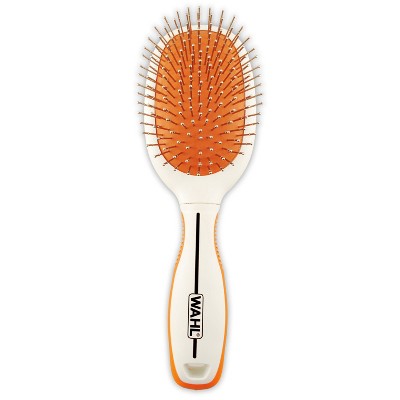
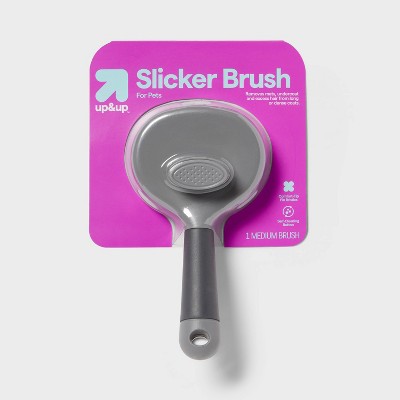
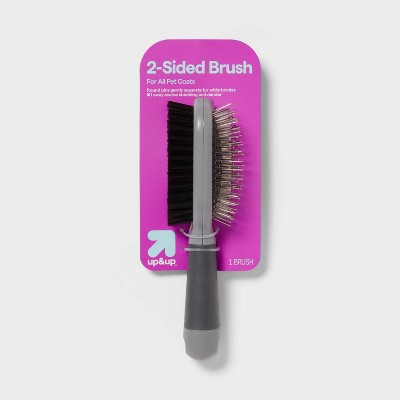
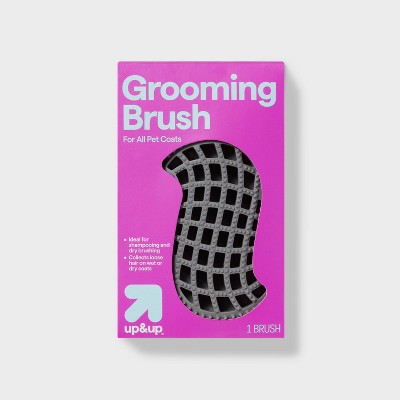
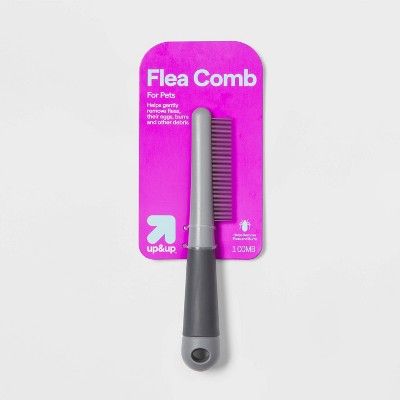
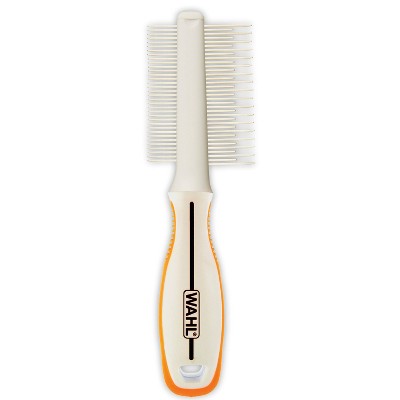
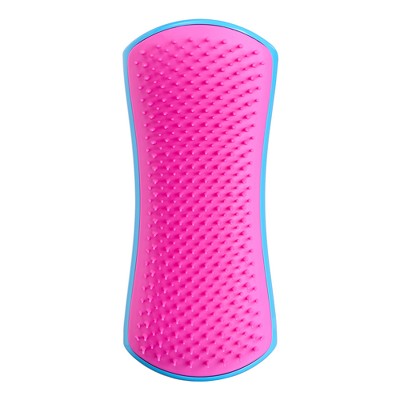
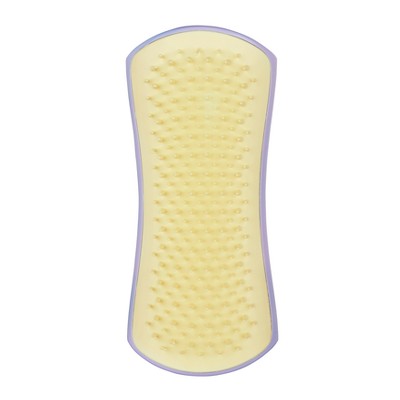
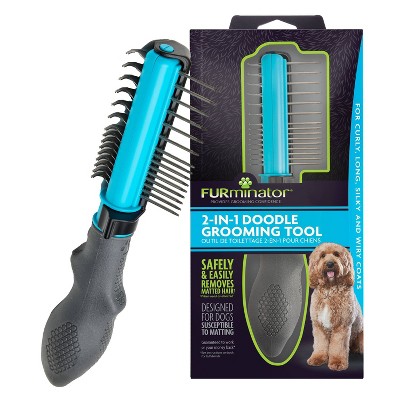
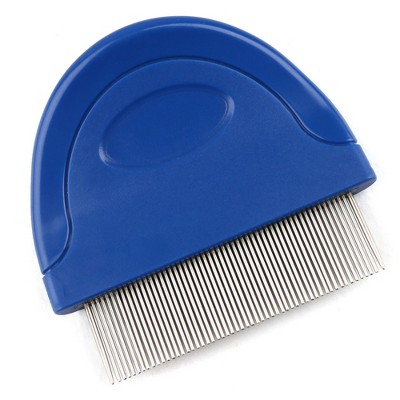
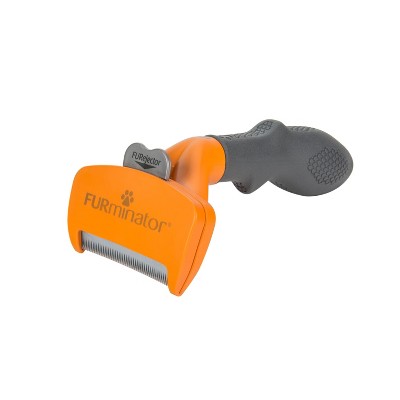
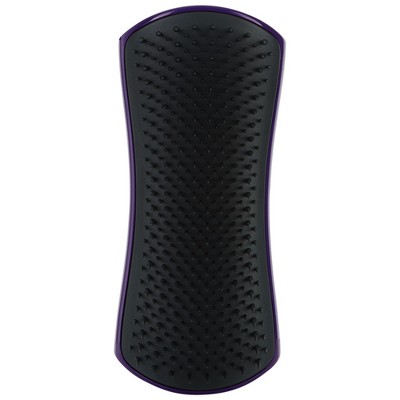
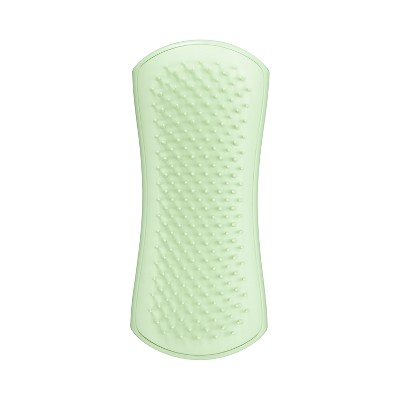
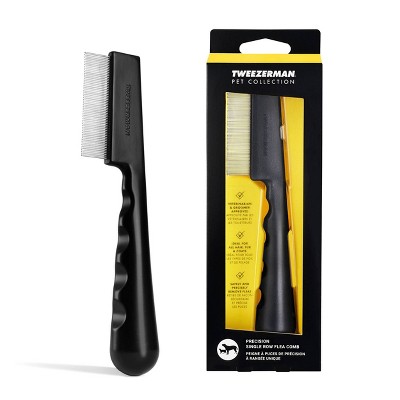
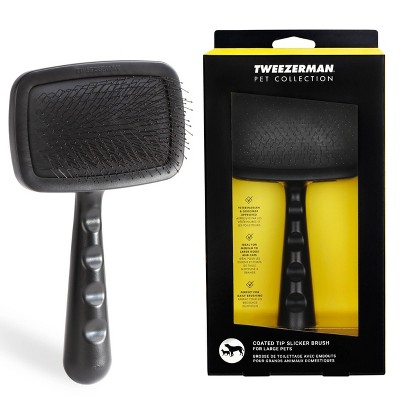
Handles and bodies commonly use plastics such as ABS, while the blades or teeth are usually metal—often steel or stainless steel.
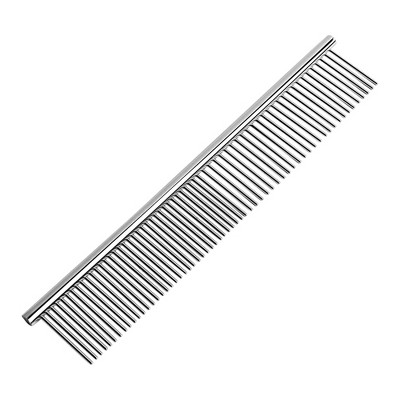
Many undercoat rakes use dual-row or dual-sided teeth (coarse and fine sides); common tooth-count examples shown include 9, 12, 17, and 23 stainless-steel teeth.
Undercoat rakes remove loose undercoat and outer hair, reduce excess shedding, detangle and demat knots, and help clear undercoat buildup and mats.
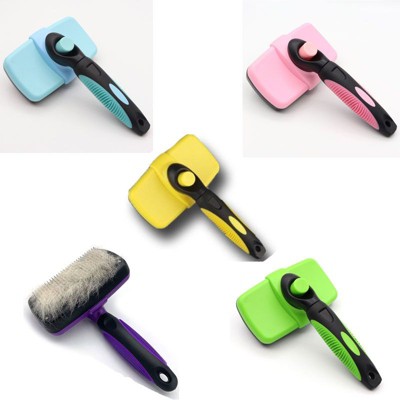
Handles are commonly ergonomic, non-slip, or contoured to reduce hand fatigue; some rakes also include a hair-release or push-to-release mechanism for easier cleaning.
Tool lengths in the examples range from about 5 inches up to 11 inches, with widths shown from about 3 inches up to 7 inches.
Many rakes feature rounded or scratch-free teeth and de-shedding edges designed to reach through the topcoat without cutting the skin when used as directed.
Some tools are labeled by dog size. Examples shown include guidance for small dogs (under 25 pounds) and for medium dogs (21–50 pounds).