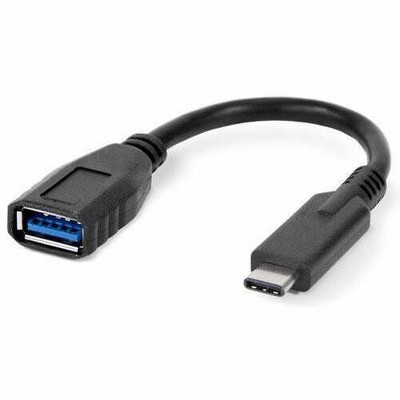
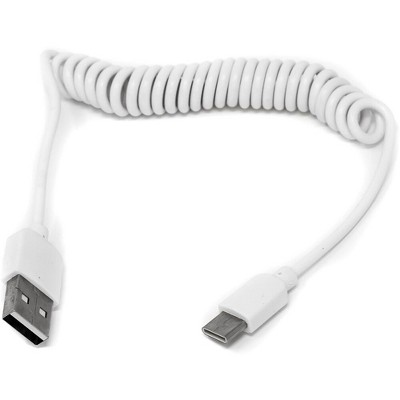
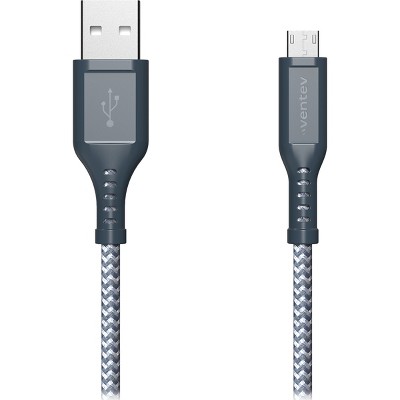
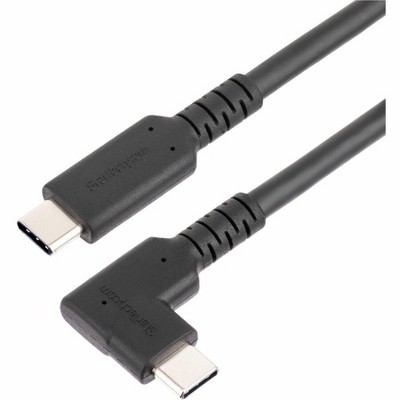
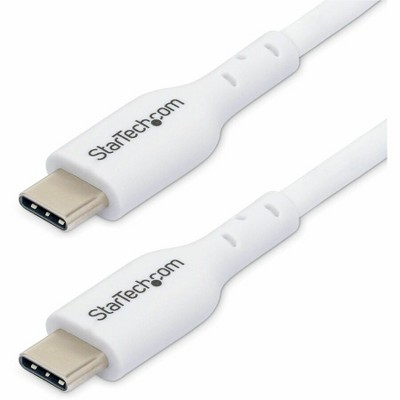
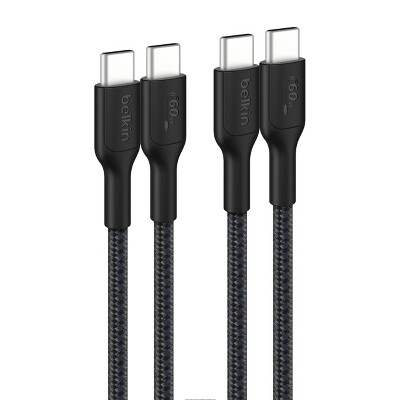
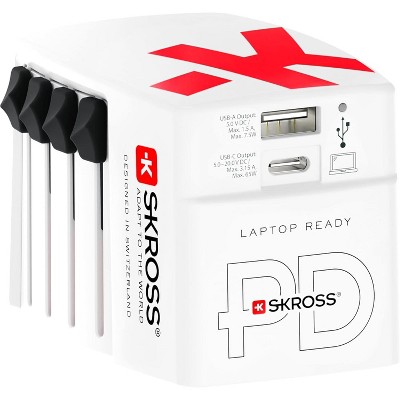
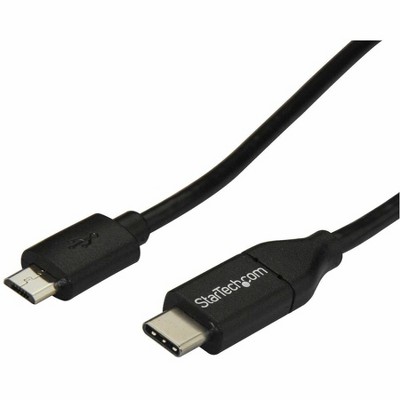
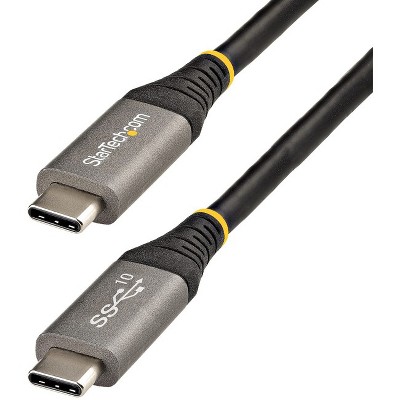
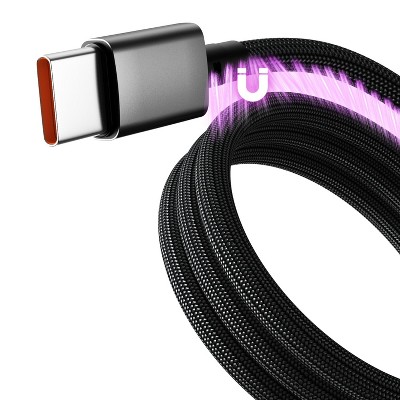
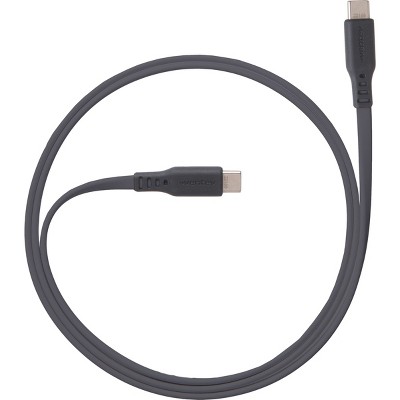
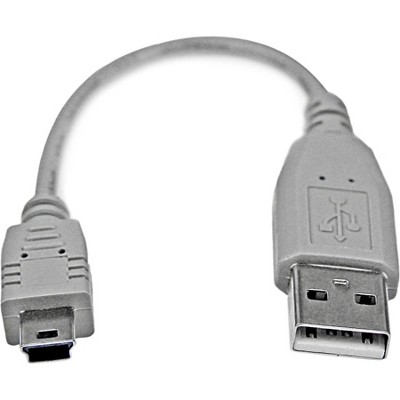
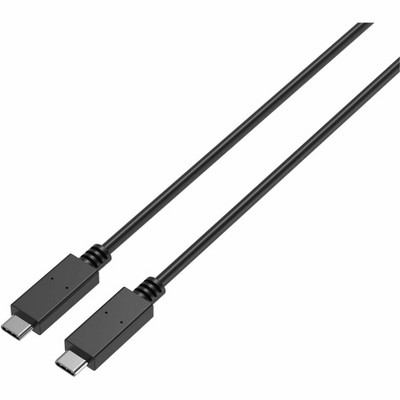
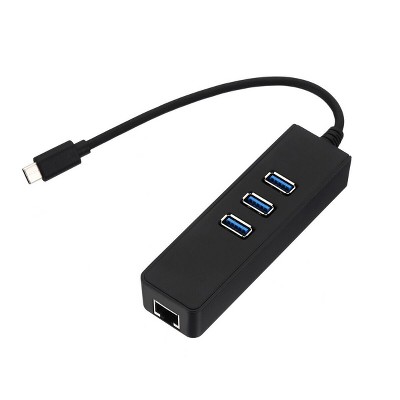
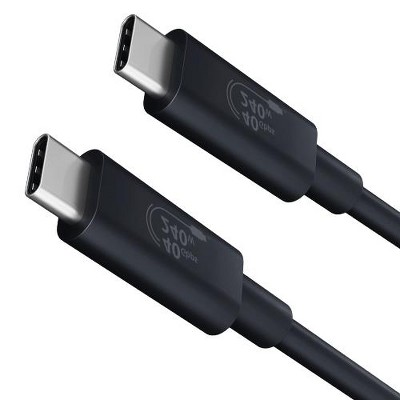
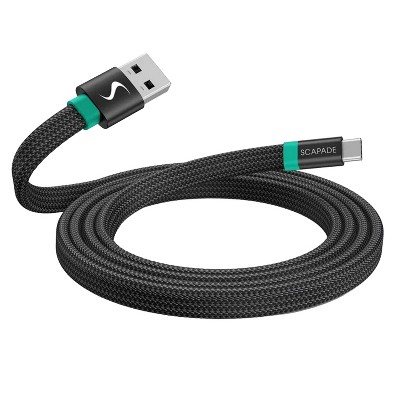
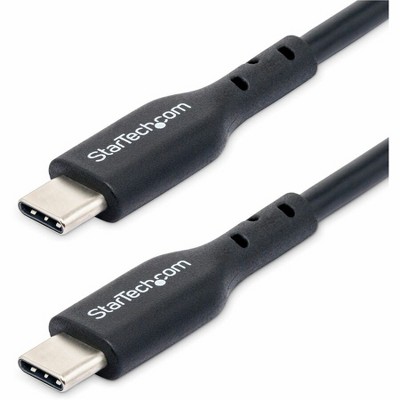
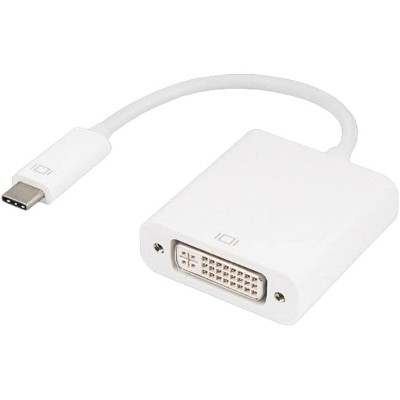
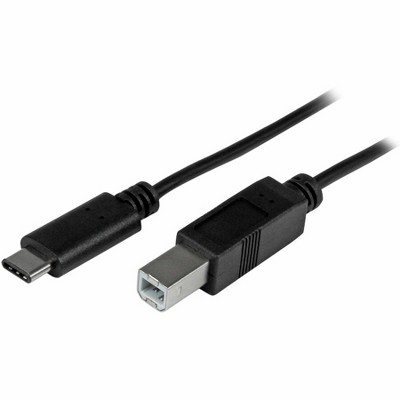
Common connector types shown in listings include USB‑B (Type B) for direct USB hookups, USB‑C to USB‑B cables for connecting newer laptops to older USB‑B devices, traditional 5‑pin DIN MIDI cables for classic gear, and integrated USB‑to‑MIDI interface cables that provide separate MIDI In/Out ports.
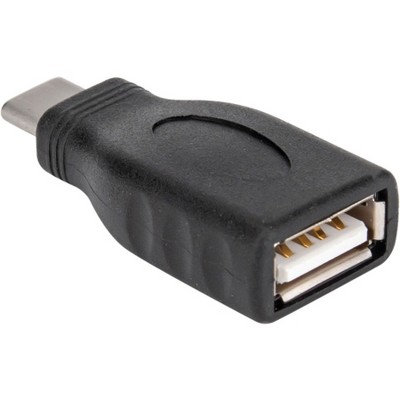
Common end types include USB Type‑A and Type‑B in male‑to‑male configurations (for example A‑to‑A and A‑to‑B), plus male‑to‑female adapters and splitter variants. Product listings typically specify the exact gender and end types in the details.
Commonly noted features are the standard keyed 5‑pin DIN connector on each end, molded connector shells, a flexible but durable jacket, and RoHS compliance.
Listings frequently cite double shielding (foil plus braid) and twisted‑pair conductors to reduce EMI/RFI and crosstalk. Some cables also note full shielding or PVC jackets for added physical protection.
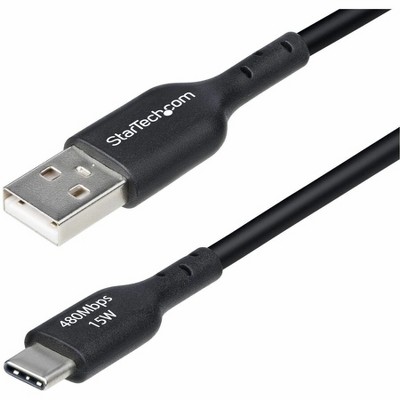
Listings typically note that USB 2.0 can supply up to 500 mA while USB 3.0 can provide up to 900 mA. USB 3.0 also lists higher data rates (about 4.8 Gbps) compared with USB 2.0 (480 Mbps).
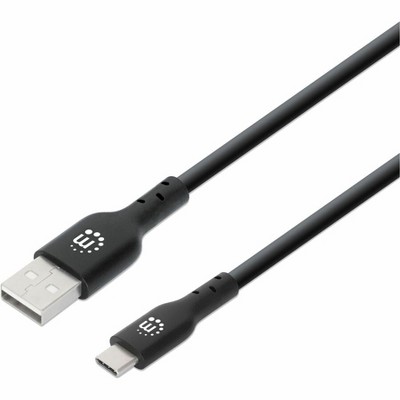
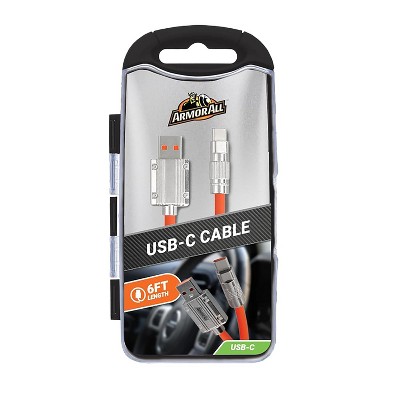
USB‑C to USB‑B cables let modern USB‑C laptops connect directly to USB‑B MIDI devices (and printers). Listings commonly note 480 Mbps transfer speeds, length options (for example a 10 ft option), and shielding to reduce interference.
Y‑splitter listings usually indicate both male ends can provide charging power, but only one leg carries data. Some product pages list a combined current capacity (for example up to 1000 mA) and describe use with externally powered devices like hard drives and cameras.