Target New ArrivalsBack to SchoolCollegeClothing, Shoes & AccessoriesHome & DecorKitchen & DiningOutdoor Living & GardenGroceryHousehold EssentialsBabyBeautyPersonal CareSports & OutdoorsHealthWellnessSchool & Office SuppliesToys & GamesElectronics & TechVideo GamesMovies, Music & BooksParty SuppliesGift IdeasGift CardsPetsUlta Beauty at TargetShop by CommunityTarget OpticalDealsClearanceNew ArrivalsBack to SchoolCollegeTop DealsTarget Circle DealsWeekly AdShop Order PickupShop Same Day DeliveryRegistryRedCardTarget CircleFind Stores

usb receiver

380 results for “usb receiver”
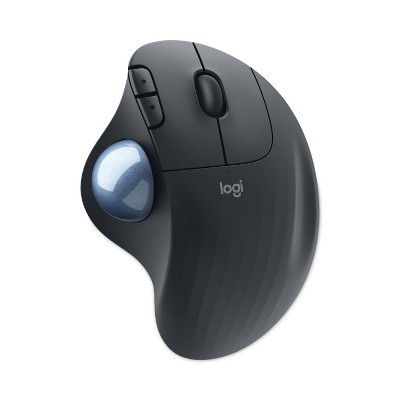
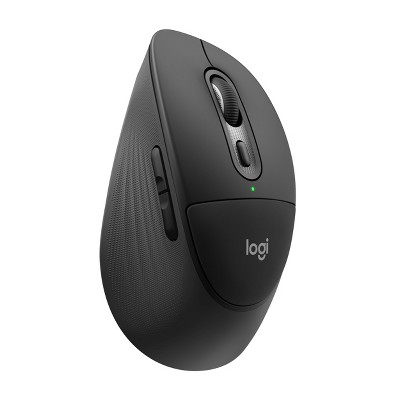
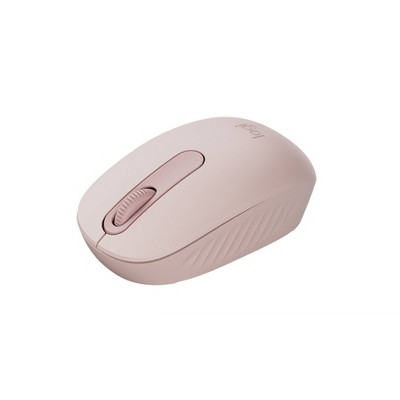
Logitech Lift Vertical Ergonomic Wireless Mouse Rose 910-006472

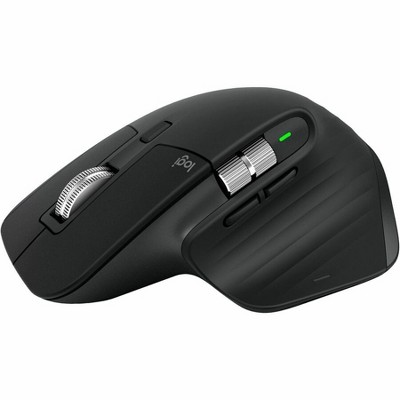
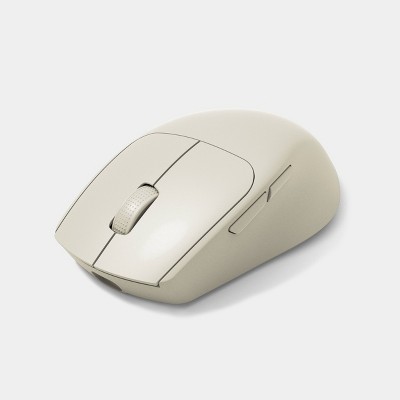
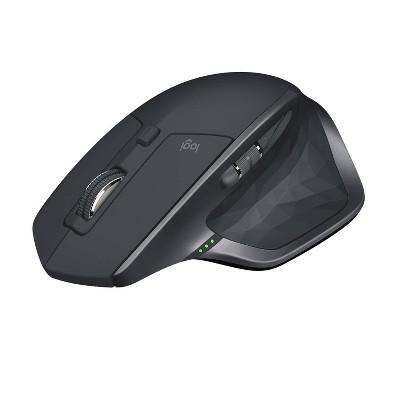
Logitech MX Master 4 Ergonomic Wireless Mouse Pale Gray 910-007559

Sponsored

Sponsored

Powered by AI

Guests also ask:

Receivers typically offer a mix of higher‑ and lower‑current USB options. Common reported outputs are 5V/3A on USB Type‑C ports (higher current) and 5V/1.5A on legacy USB ports (BC1.2 or front USB). Some models simply list 1.5A for front ports while Type‑C ports provide the 3A option.

Most receivers pair USB with auxiliary inputs (e.g., 3.5mm AUX) and line‑level RCA outputs. Typical outputs include multi‑channel RCA pre‑outs and a dedicated subwoofer pre‑out with level control, which let you add external amplifiers and subwoofers for system expansion.

Many receivers offer multiple RCA pre‑outs (multi‑channel) plus one or more subwoofer pre‑outs. Reported pre‑out voltage levels include about 5.0V (high‑voltage multi pre‑outs), 4.0V, and 2.0V across different models — higher voltages generally give a stronger line‑level signal for driving external amps with less gain required.

Receivers come in compact and shallow chassis to fit constrained installs. Examples include small cutouts for powersports (e.g., a 2" x 1.4" double‑switch knockout) and shallow 4.25" chassis or shortened single‑DIN depths. Always verify your dash cutout and available mounting depth before purchasing.

Common companion features include Bluetooth streaming and hands‑free calling (some units support two or multiple simultaneous phone connections), built‑in Wi‑Fi for wireless control or streaming on select models, and wired/wireless phone integration and mirroring alongside USB. Availability varies by model.

USB playback typically supports common compressed and lossless audio formats such as MP3, WMA, WAV, AAC and FLAC; some screened models also list video codecs for USB playback. USB is also used for phone control, charging, and — on certain models — phone mirroring; exact format and mirroring support varies by unit.

Marine/powersports models typically use weather‑ and corrosion‑resistant construction (examples include IP66 ratings or anti‑rust coatings), rugged or shallow mounting options for tight installs, sunlight‑readable or marine‑rated displays, and user‑friendly controls such as oversized LEDs, variable illumination and auto‑dimming. They also often include multiple inputs/outputs for flexible connectivity.

Get top deals, latest trends, and more.