Target New ArrivalsBack to SchoolCollegeClothing, Shoes & AccessoriesHome & DecorKitchen & DiningOutdoor Living & GardenGroceryHousehold EssentialsBabyBeautyPersonal CareSports & OutdoorsHealthWellnessSchool & Office SuppliesToys & GamesElectronics & TechVideo GamesMovies, Music & BooksParty SuppliesGift IdeasGift CardsPetsUlta Beauty at TargetShop by CommunityTarget OpticalDealsClearanceNew ArrivalsBack to SchoolCollegeTop DealsTarget Circle DealsWeekly AdShop Order PickupShop Same Day DeliveryRegistryRedCardTarget CircleFind Stores

usb superspeed hub

282 results for “usb superspeed hub”

Lexar®

$39.99 - $64.99

Griffin 8-Port FM Transmitter Hub

Sponsored

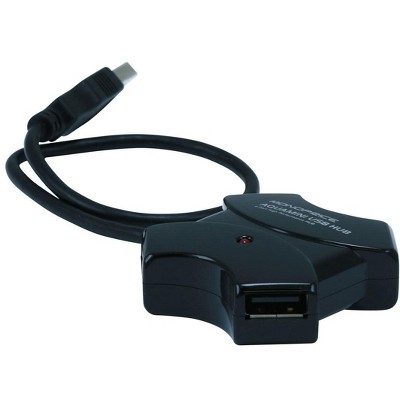
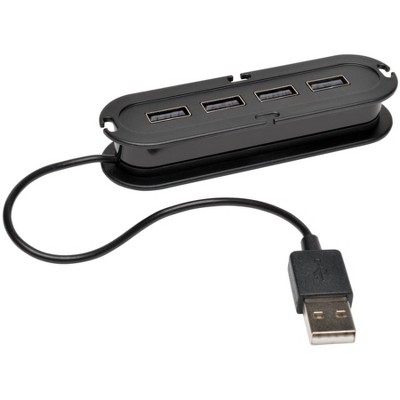
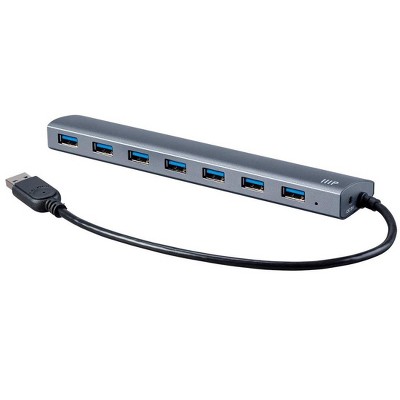
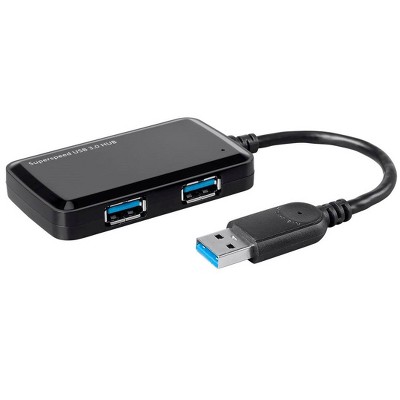
Monoprice Mini 4-port USB 3.0 Travel Hub

$16.28

Sponsored

Powered by AI

Guests also ask:

Hubs with an RJ45 port typically provide gigabit Ethernet — auto‑sensing 10/100/1000 Mbps — i.e., up to 1 Gbps connection speed.

Some hubs include SD and microSD card slots (commonly supporting UHS‑I speeds) for removable storage. A few models also include a 3.5 mm audio jack for analog audio output.

Port counts vary by model — these hubs add anywhere from a single port up to 7 ports. Common configurations listed include 1, 3, 4, 5, 6, and 7 USB ports.

Many hubs include short built‑in cables for tidy desktop or travel use. Typical listed lengths are about 200 mm (≈8 in) or 300 mm (≈1 ft), though exact length varies by model.

Many hubs include an HDMI output that supports up to 4K at 60 Hz. Higher‑end hubs with USB4/USB 4 support may list compatibility with 5K or 6K at 60 Hz when used with compatible hosts and cables.

Yes. SuperSpeed hubs commonly declare backward compatibility with older USB standards, typically supporting USB 2.0 (and earlier USB 1.1) devices on the same ports.

Many hubs emphasize compact, lightweight designs and aluminum housings that are travel‑ready. Typical features include slim footprints and short built‑in cables (for example, ~200 mm or ~300 mm) for easy packing or neat desktop use.

Hubs commonly list compatibility with Windows, macOS, Linux, Chrome OS, iPadOS/iOS, and Android. Many also support USB‑C DisplayPort Alt Mode, allowing devices that output video over USB‑C to drive external displays.

Get top deals, latest trends, and more.