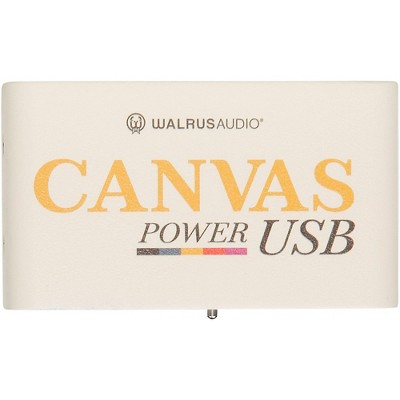
Most wah pedals accept a 9V power source. Common options are an internal 9V battery (often sold separately or listed as optional) or an external 9V AC adapter. A few models are designed to run only from an external supply and do not use a battery.
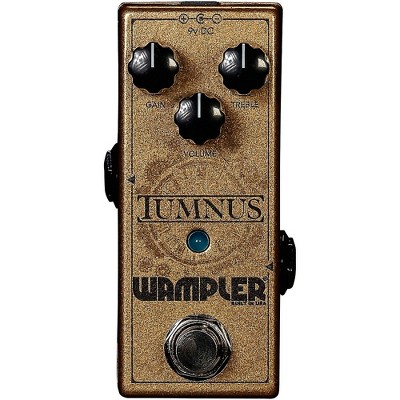
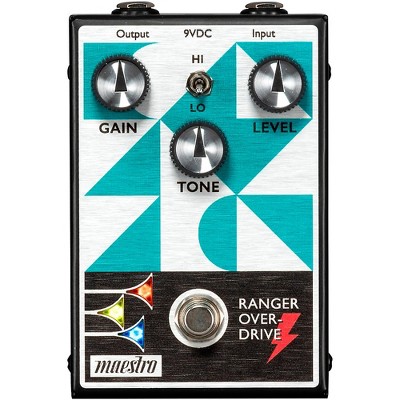
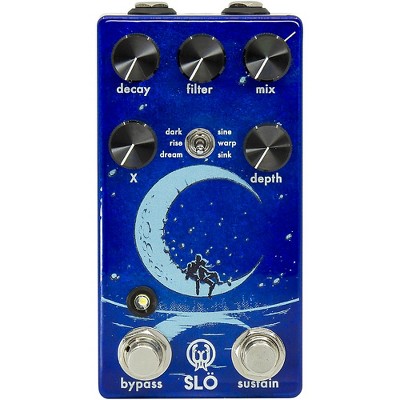
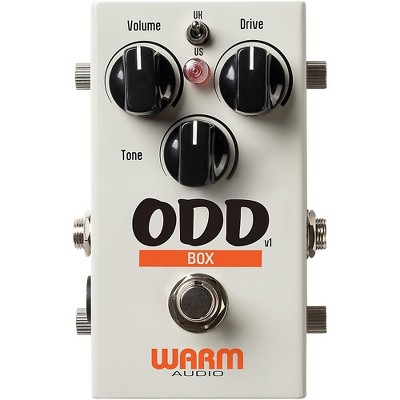
Common controls include a Variable Q knob to adjust the wah’s intensity, a Wah Mix or blend control to balance wet vs. dry signal, and drive/tone/level (or volume) controls when onboard drive or fuzz sections are present.
Most wahs include standard 1/4" TS input and output jacks. Some models add external control options such as a 5‑pin DIN MIDI input for remote control. In addition, certain designs provide selectable bypass types and integrated boost/line‑driver stages as part of their feature set.
Wah pedals appear with either true/hardwire bypass or buffered circuits. Some advertise true or hardwire bypass for a direct signal path, while others include buffered or premium buffer circuits to help preserve tone across long cable runs.
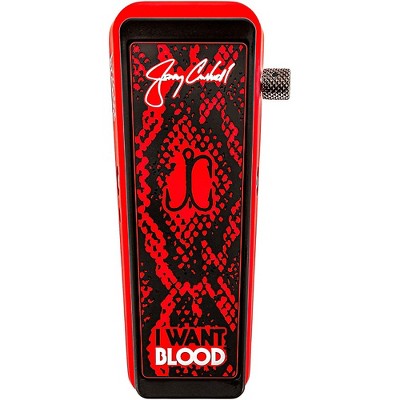
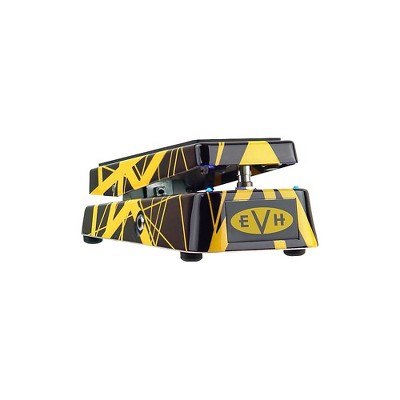
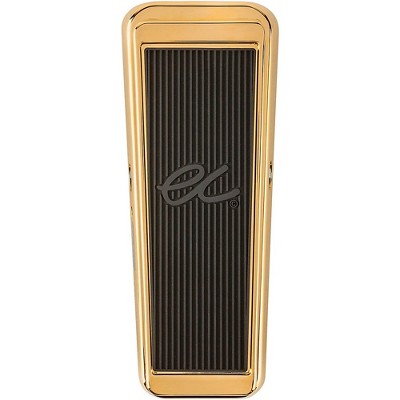
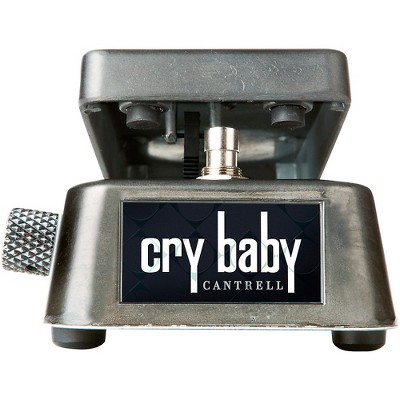
Signature and limited-edition wahs often recreate an artist’s original circuit or tone, use custom inductors or period‑accurate components, and include unique finishes or artist‑specific settings.
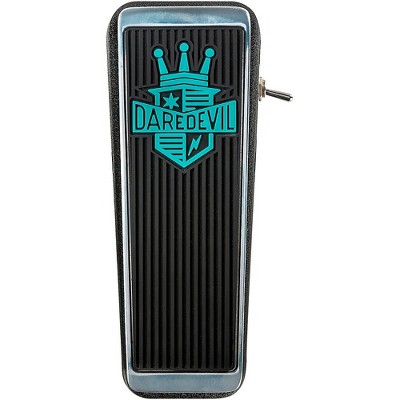
Some wahs offer auto‑return switching for instant on/off activation, side‑mounted kick switches, or additional boost switches—examples include boosts of up to +15dB on certain models. Footswitches are also used to toggle modes or engage secondary effects.
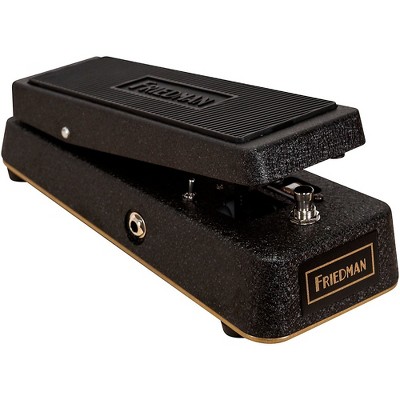
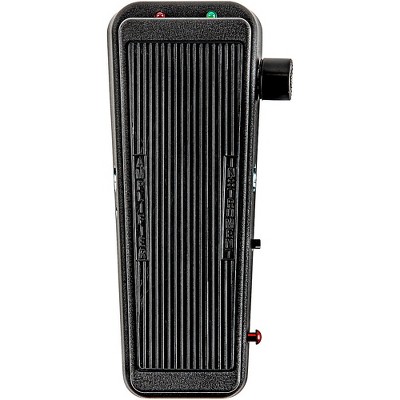
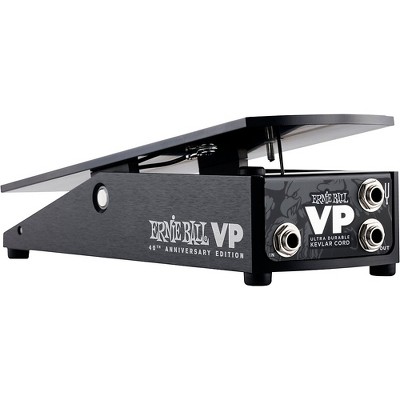
Many wahs use rugged metal housings such as cold‑rolled steel, reinforced treadles, and grip-enhancing rubber (including glow‑in‑the‑dark options). They often add LED indicators and quick‑access battery doors to withstand heavy onstage use.