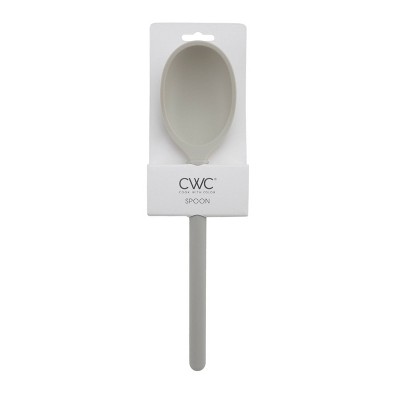
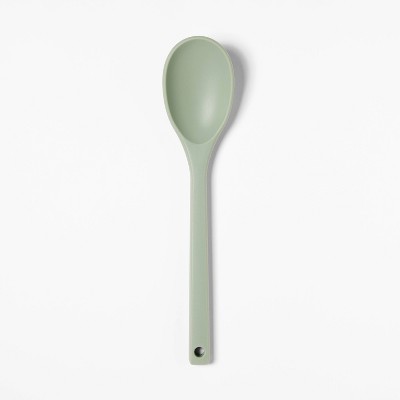
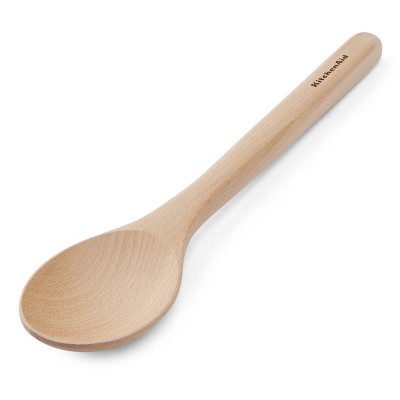
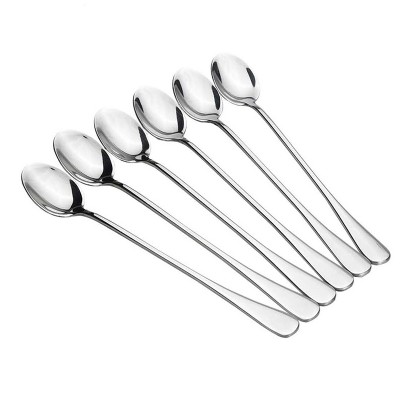
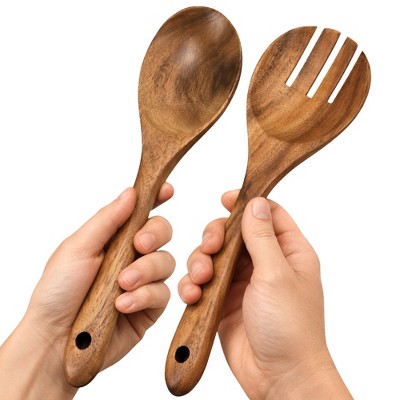
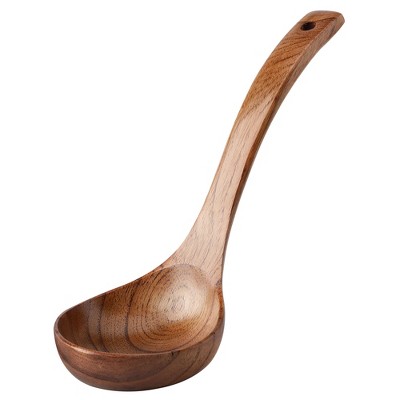
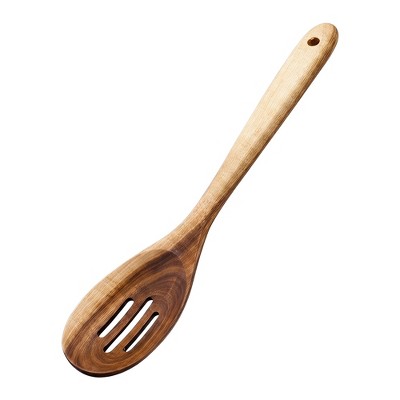
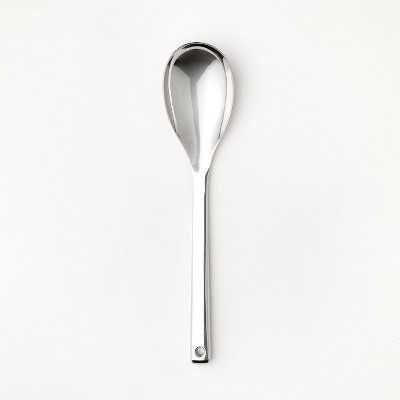
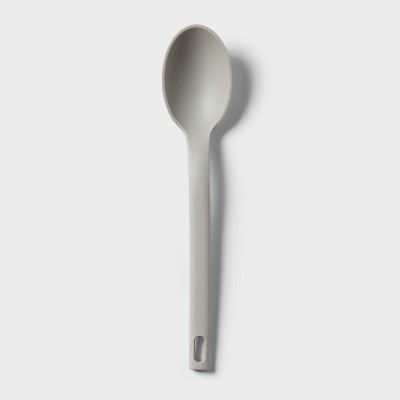
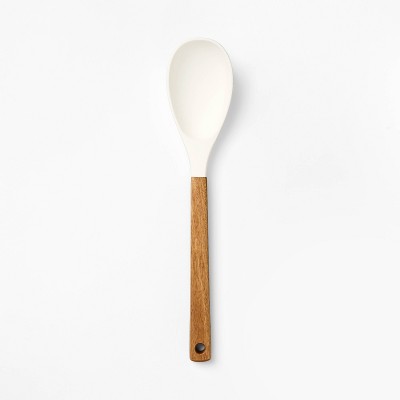
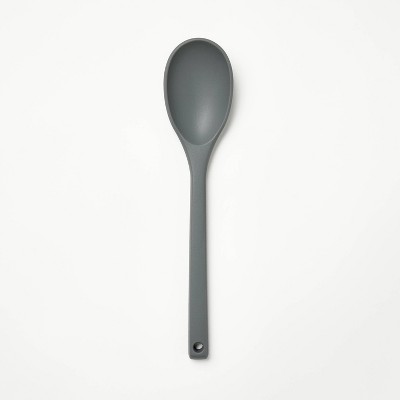
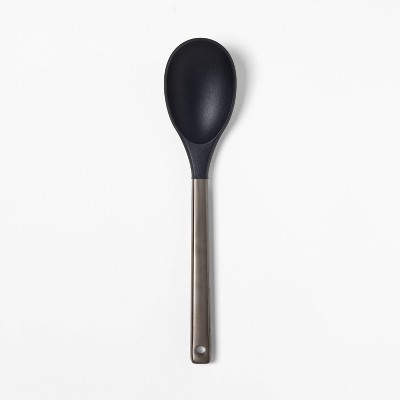
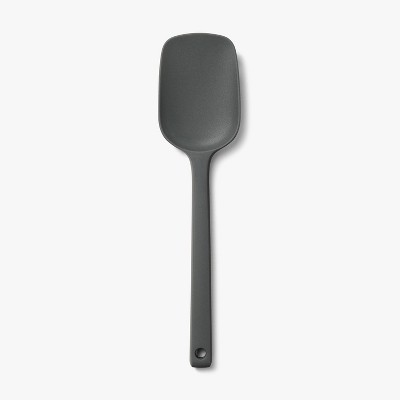
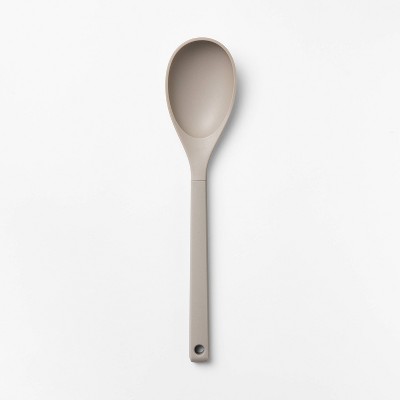
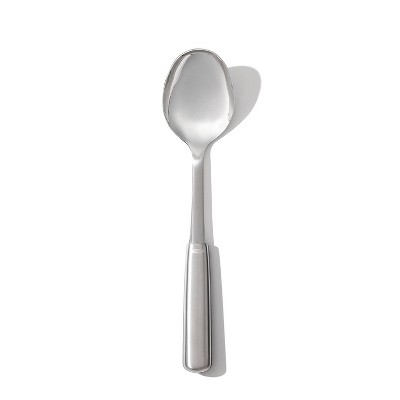
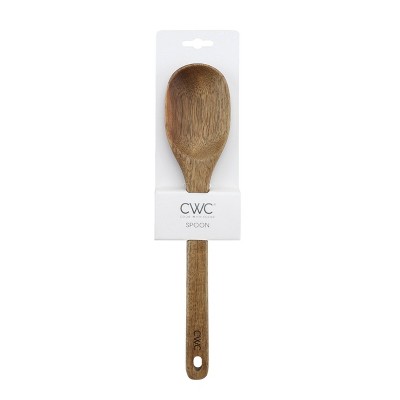
Common woods include acacia, teak, olive wood, and beechwood. Pakkawood (noted here as made with beechwood) and generic/unspecified woods are also frequently used.
Handle lengths typically range from about 8 inches up to 18 inches, with many spoons around 8–9 inches and some models extending to about 18 inches.
Common head lengths range from about 3 inches up to approximately 7.69 inches, while head widths typically range from about 2 inches up to roughly 7.69 inches.
Some spoons are untreated (no surface treatment), while others have a natural oil or smooth finish that adds durability and helps protect cookware.
They’re commonly used for stirring, draining, lifting, flipping, and serving—often for pasta, vegetables, fried foods, and other foods where excess liquid needs to drain away.
Many listings describe these spoons as heat-resistant and durable. Some specifically note resistance to stains and odors and a rigid construction that resists bending when stirring thicker foods.
Design options include laser-etched patterns, colorful pakkawood patterns, and natural wood-grain appearances.