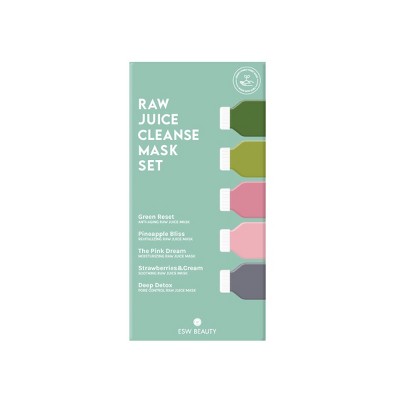
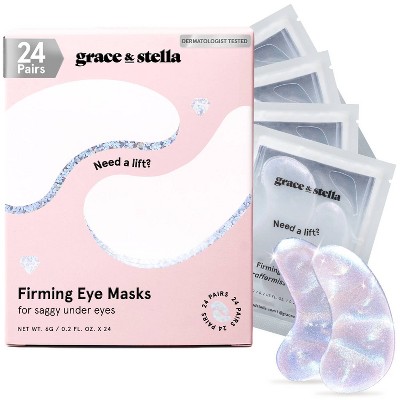
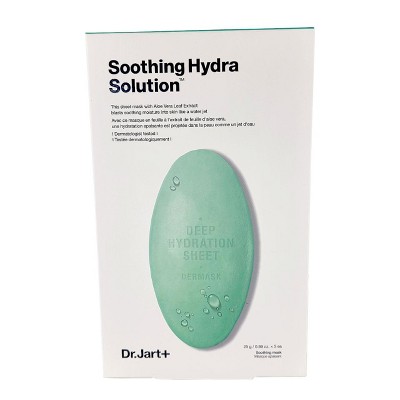
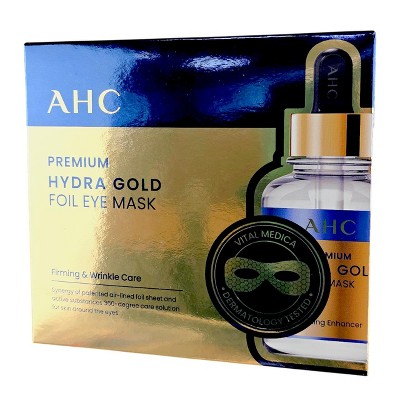
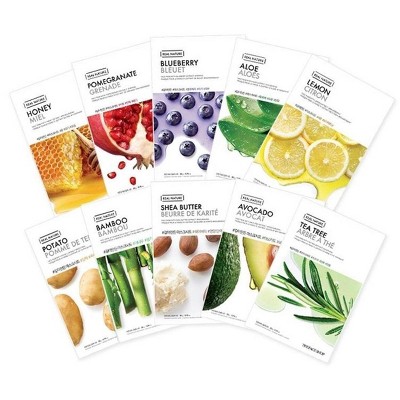
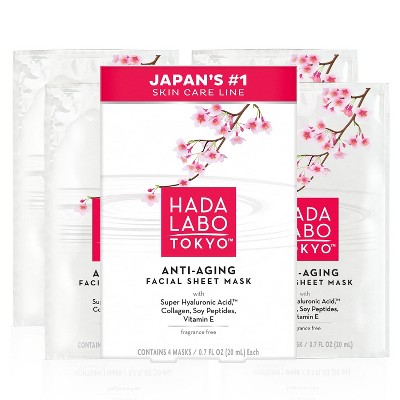
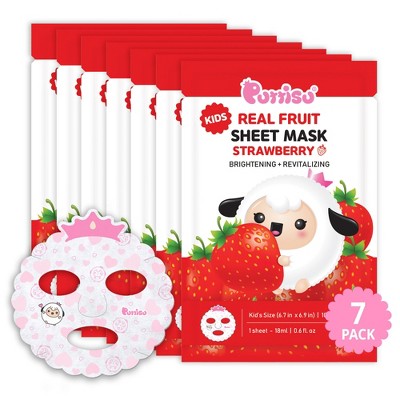
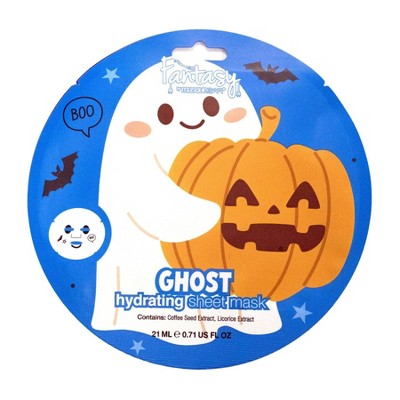
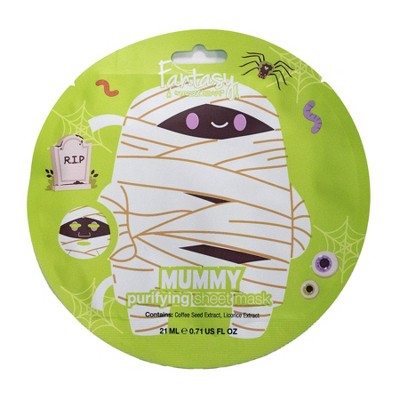
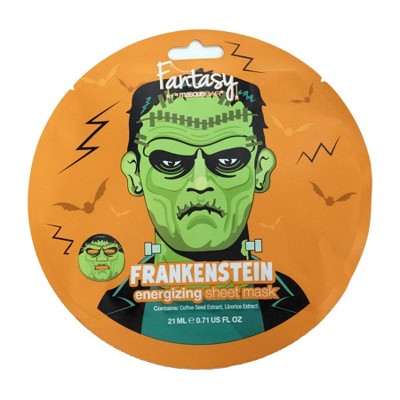
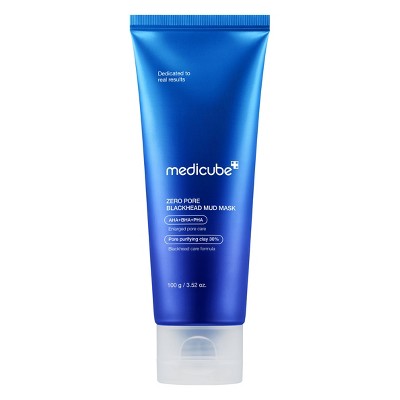
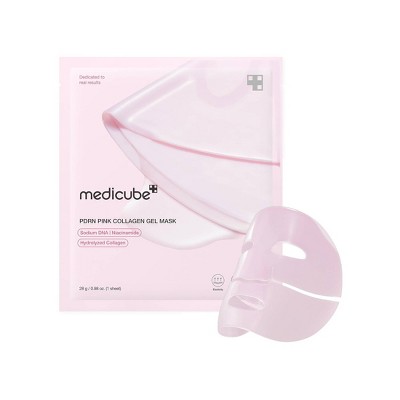
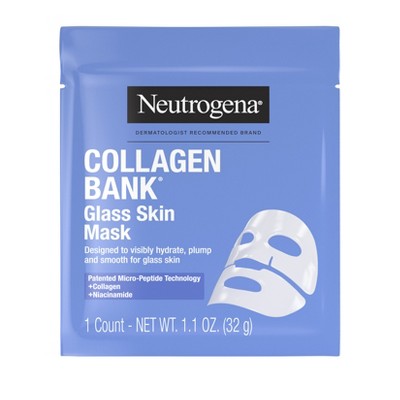
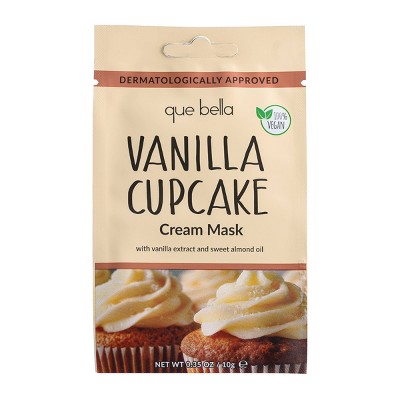
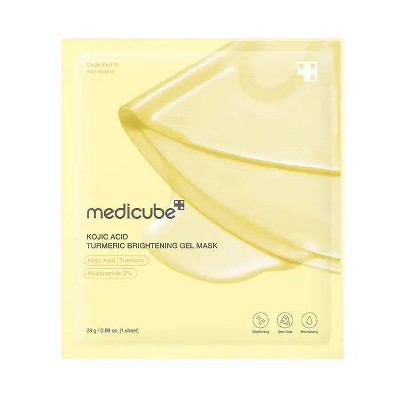
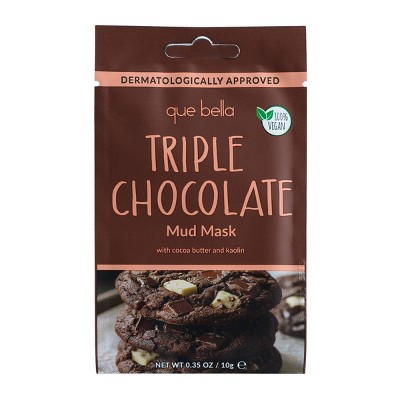
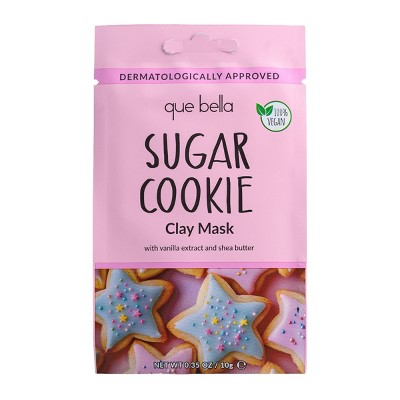
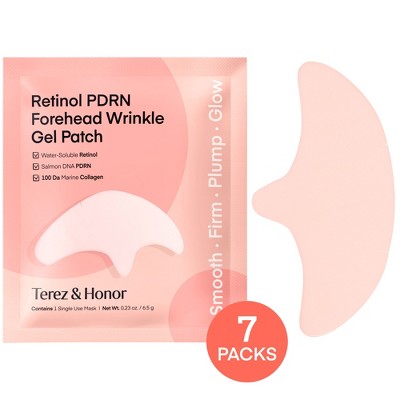
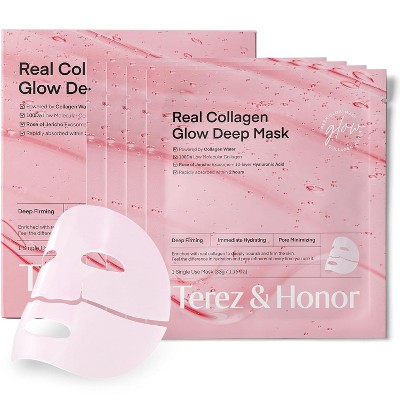
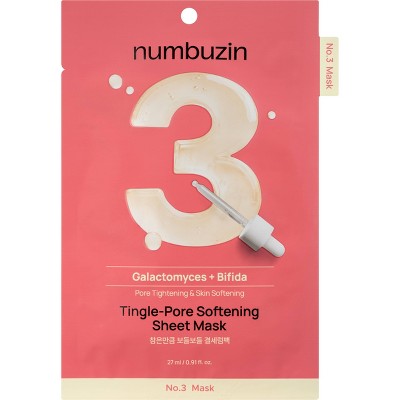
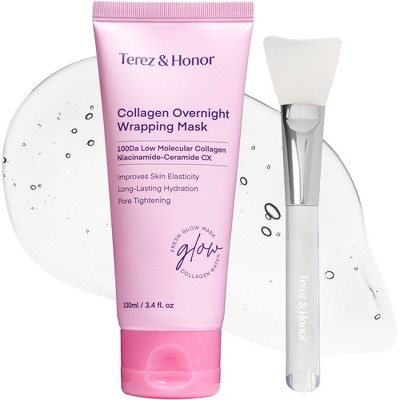
Some acne treatments use multi-step systems rather than a single sheet mask. Examples include a self-warming clay step followed by a cooling gel, and two-step “shot‑plus‑mask” systems that prime pores and then lock in active ingredients.
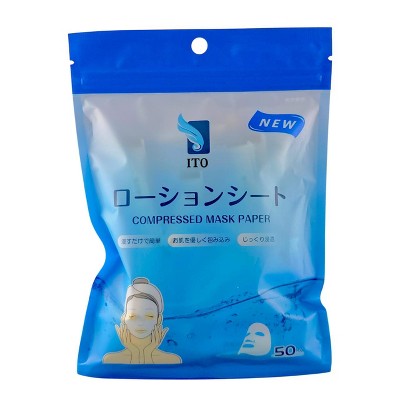
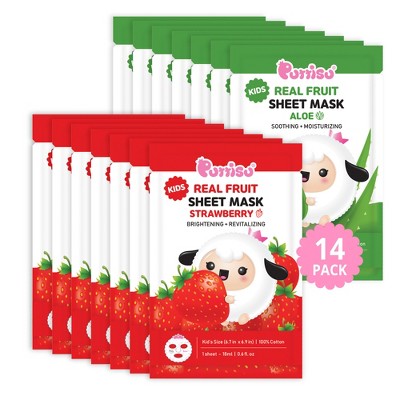
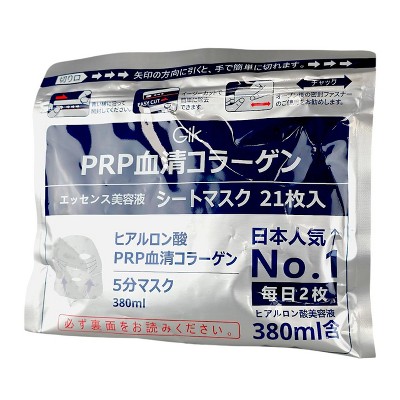
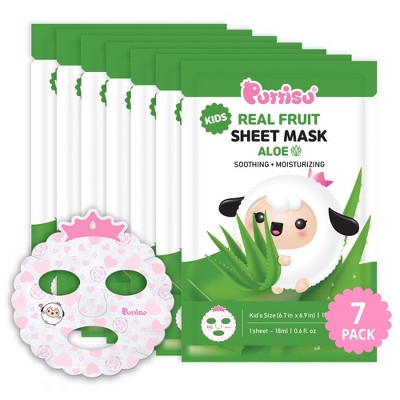
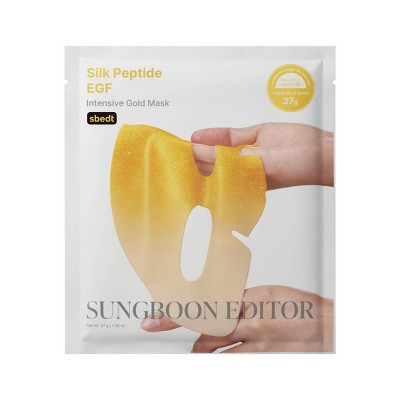
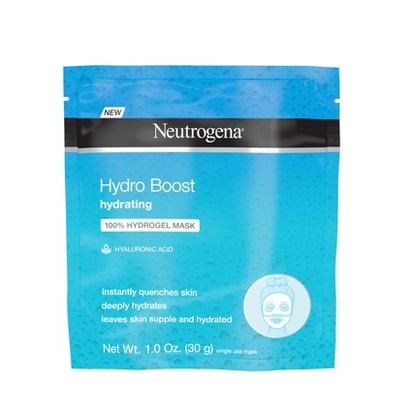
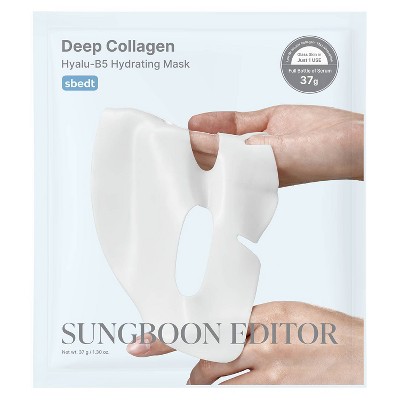
The results use several sheet materials: 100% cotton sheets; 100% coconut biocellulose (gel biocellulose); compostable cupra (cotton linter) fabric; and extra‑thin vegan‑certified Lyocell sheets.
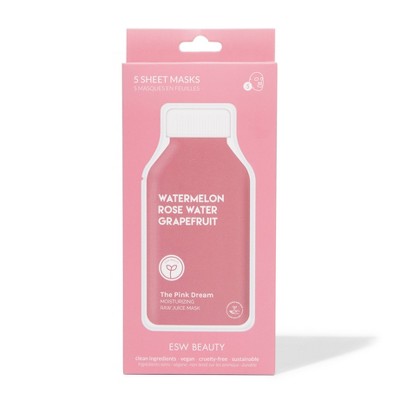
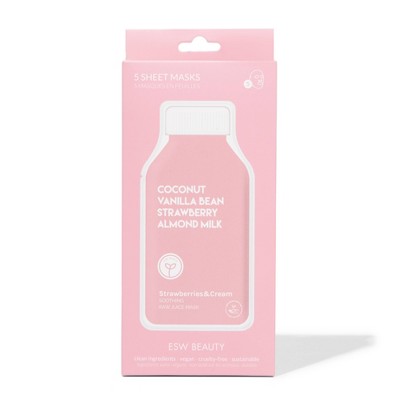
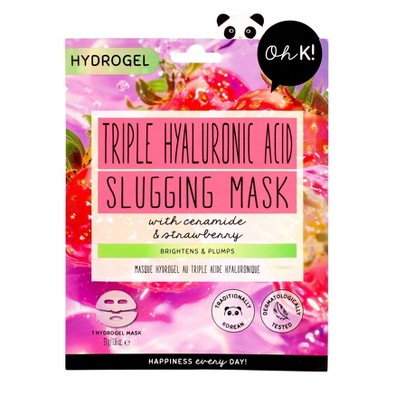
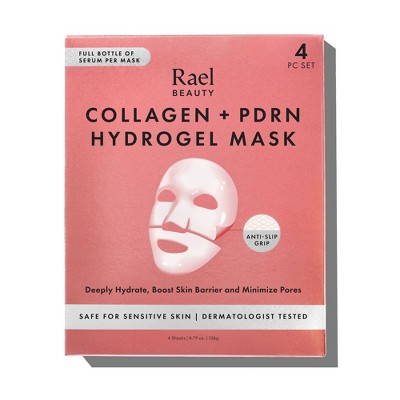
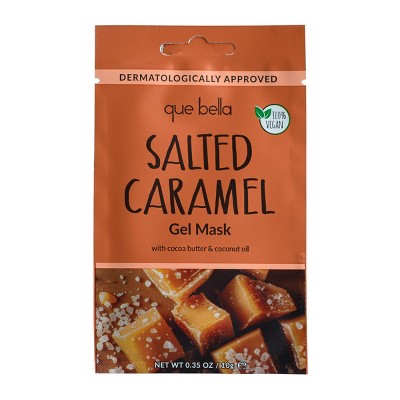
Across the listings, masks are marketed for a wide range of skin types, including acne‑prone, oily, combination, sensitive (including extra‑sensitive), normal, mature, dry, and very dry skin.
Many masks use charcoal or clays (kaolin, hectorite) to draw out impurities and absorb excess oil. Others include ingredients or multi‑step approaches intended to detoxify, mattify, and reduce the appearance of pores while also soothing redness and helping retain moisture.
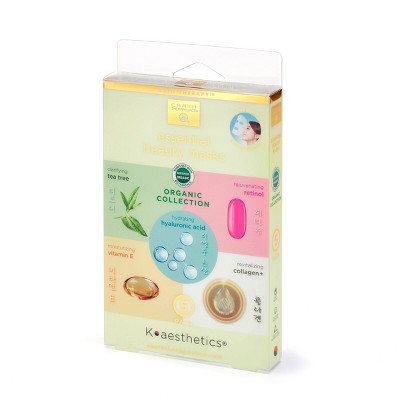
The results mention recyclable packaging/pouches; cruelty‑free or not‑tested‑on‑animals claims (including Leaping Bunny certification); and compostable sheet fabrics such as cupra, with compostability certifications noted for marine and soil environments.