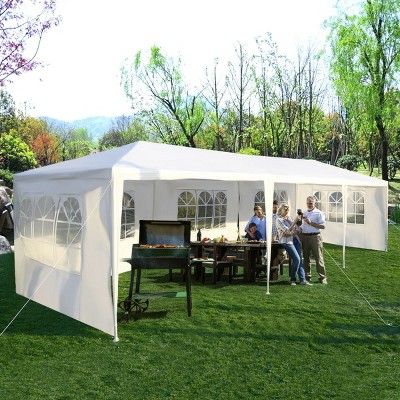
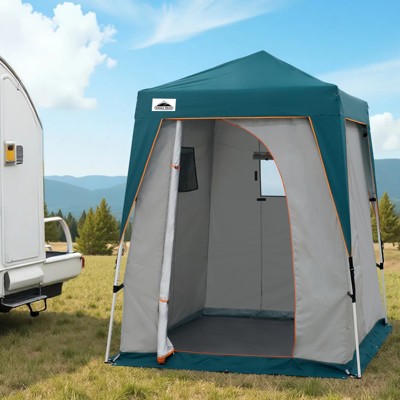
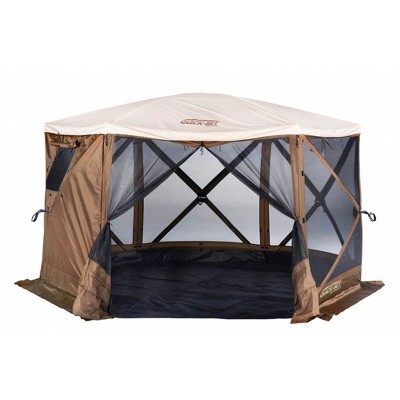
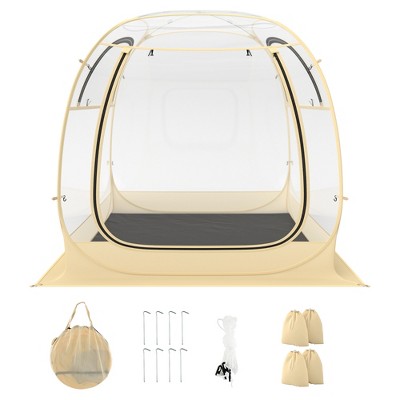
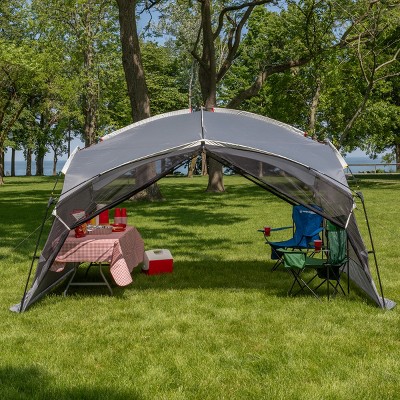
Most listings rate screened shelters for 3-season use. Many models use PU-coated or water-resistant canopies (and some claim waterproofing), but manufacturers commonly advise avoiding extended use in heavy rain. In short: good for spring–fall and light to moderate rain, but not ideal as a long-term solution in severe wet conditions.
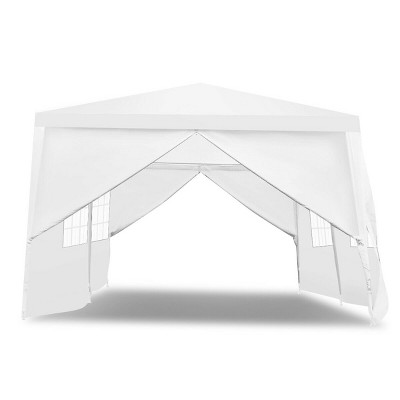
Floor options vary: some shelters include a sewn-in ground sheet or polyester floor suitable for air mattresses, while many pop-up canopies and screen houses are open-bottom (no floor). Confirm the product listing if you need a built-in floor for camping or beach use.
Warranty periods vary by product, from short 30-day limited warranties to 6-month limited coverage and up to a 1-year limited warranty in some listings. Check the specific product listing or manufacturer policy for exact terms and any exclusions.
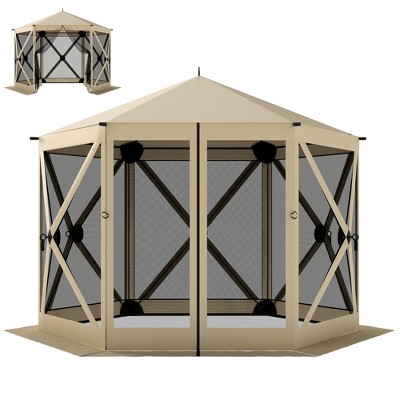
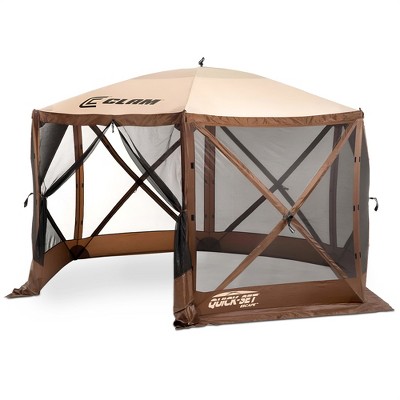
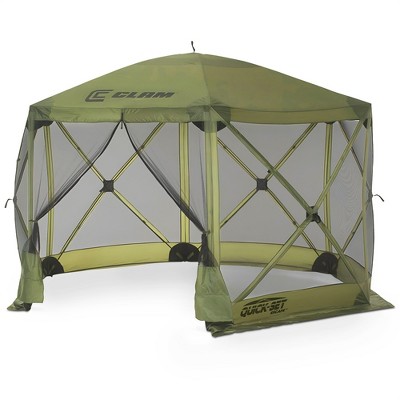
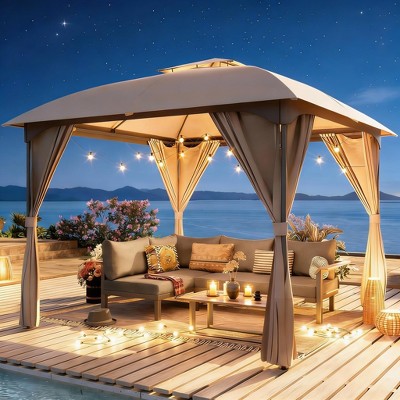
Many shelters use high-density or full-panel mesh sidewalls with zippered or roll-up mesh doors and windows to keep insects out while allowing airflow. Several models add vented tops, ground-level vents, or hot-air escape designs to improve circulation and reduce heat buildup.
Setup ranges from true pop-up or one-push center-lock designs that erect in seconds or about 1 minute to traditional tents that take around 15 minutes. Portability is common: most include a carry bag for transport, and some larger canopies come with wheeled or roller bags.