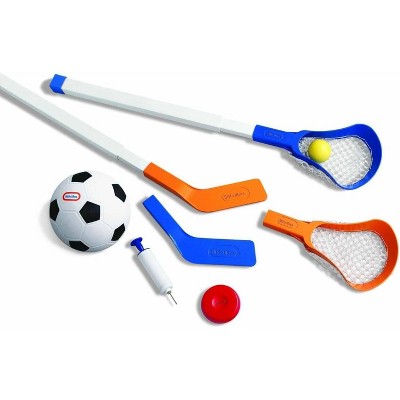
Toy soccer sets cover a wide span of ages. Many products target toddlers and preschoolers (examples list ages like 12–36 months, 18 months, or 3 years and up), while other sets are designed for older kids (commonly labeled for ages 6, 8, or 12 and up). Check individual product listings for the specific recommended age range.
Toy soccer sets commonly support gross-motor development (running, kicking), hand–eye coordination, and social skills from group play. Depending on the set, they may also encourage creativity, fine-motor control, or sensory development (for example, soft balls or activity centers).
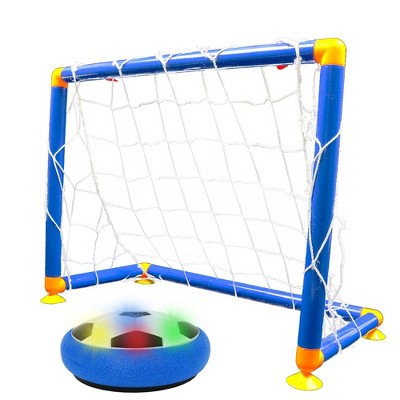
Outdoor goals are often built with reinforced UPVC frames or thickened poles, reinforced joint connectors, and quick-clip high-strength netting. Many include ground stakes for stability and designs intended to resist deformation from repeated shots. Product descriptions usually list frame material and any weather- or impact-resistance features.
Assembly ranges from none to simple adult setup. Some sets arrive ready to use, others require basic adult assembly (often tool-free), and many portable goals advertise quick snap-lock or quick-clip systems for fast setup.
Toy soccer sets commonly use foam and plastic for balls and play pieces, polyethylene (PE) and UPVC for goal frames and poles, vinyl for some balls, and plastic construction pieces in building kits. Material specifics are usually listed in the product description.