blueberry breakfast bars
Guests also ask:
Protein per bar varies widely. Typical fruit-and-grain blueberry bars provide about 1–2 grams of protein per bar, while higher‑protein or protein‑focused blueberry bars can provide roughly 12–16 grams per bar.
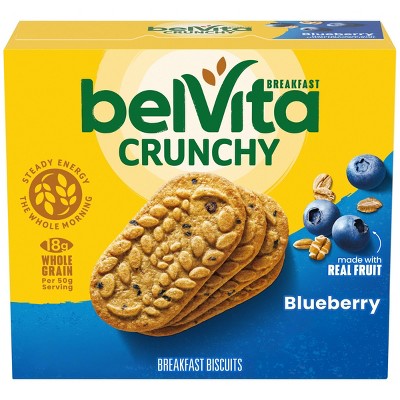
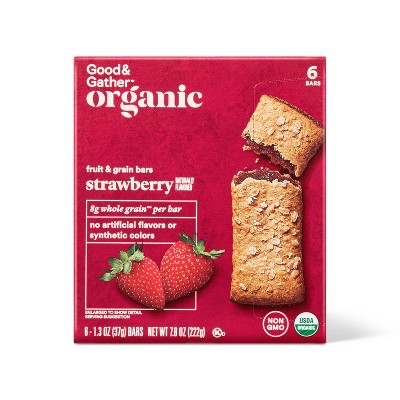
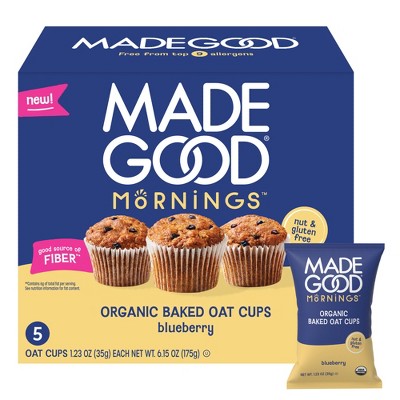
Many blueberry bars highlight whole‑grain content; common whole‑grain amounts in the data are about 8–10 grams per bar. Some products are also labeled as a "good source of fiber," but specific fiber grams vary by product and aren’t always listed.
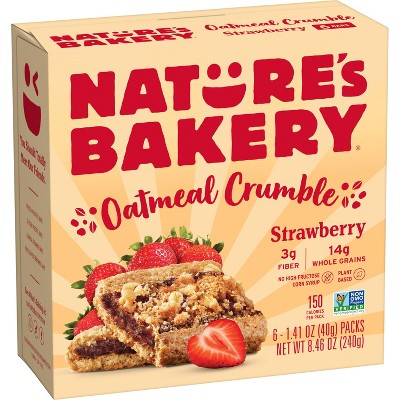
Labeling varies: some bars state "no high‑fructose corn syrup" or "no added sugar," others list very low sugar (for example, about 1 g of sugar per bar), and some fruit‑only bars rely on fruit for sweetness rather than added sweeteners.
Formulations range from minimalist fruit‑only bars (made from just fruit) to fruit‑and‑grain baked bars. Other styles add ingredients such as nuts, egg whites, or dates to increase protein and change texture.
They’re typically described as chewy or soft‑baked — common terms in listings include "chewy," "soft‑baked," and "chewy crust."
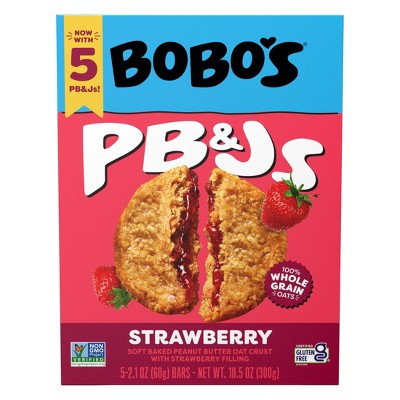
Listings show many specialty‑diet labels, including gluten‑free (and certified gluten‑free), organic, Non‑GMO/Non‑GMO Project Verified, kosher, vegan/plant‑based, dairy‑free, soy‑free, cholesterol‑free, paleo‑friendly, and "no added sugar." Some listings also note freedom from top allergens or production in a dedicated/nut‑free facility.
A few listings specify per‑bar sizes (examples in the data include 2.12‑oz individual bars and 2‑oz twin‑pack bars). Many other listings only provide the total or net pack weight rather than a per‑bar weight.
Mixed‑fruit options shown alongside straight blueberry bars include Apple + Blueberry and Apple + Mango mini fruit bars, as well as a Mango + Blueberry mini fruit bar listing.
Listings emphasize grab‑and‑go convenience: many bars are individually wrapped and promoted for lunchboxes, purses, backpacks, car consoles, work bags or desks, and for quick breakfasts, commutes, road trips, or anytime snacks.