Target New ArrivalsChristmasTarget Black FridayGift IdeasHoliday Kids CatalogHome & DecorKitchen & DiningToys & GamesElectronics & TechVideo GamesGift CardsClothing, Shoes & AccessoriesGroceryBabyBeautyTarget Beauty StudioPersonal CareHousehold EssentialsHealthWellnessBooks, Music & MoviesSports & OutdoorsPetsSchool & Office SuppliesParty SuppliesAutomotiveTarget OpticalClearanceNew ArrivalsChristmasGift IdeasTop DealsTarget Circle DealsWeekly AdShop Order PickupShop Same Day DeliveryRegistryRedCardTarget CircleFind Stores

brain train games

1,000+ results for “brain train games”
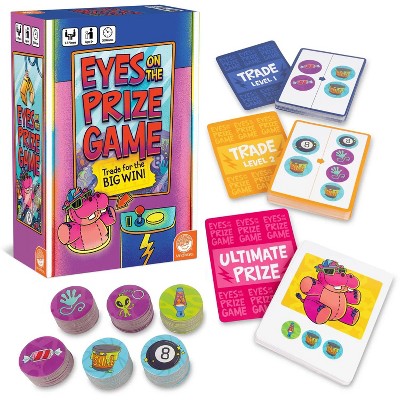
MindWare Eyes on the Prize Strategy Game

$19.99
4.6(19)
Loved for: quick gameplay

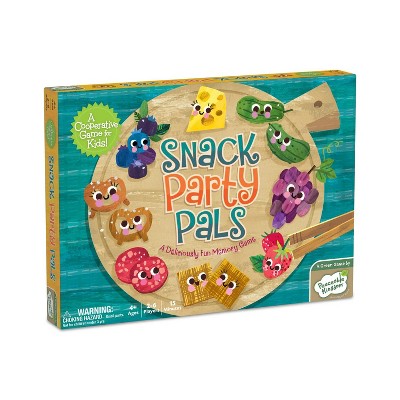
Peaceable Kingdom Snack Party Pals Cooperative Memory Board Game

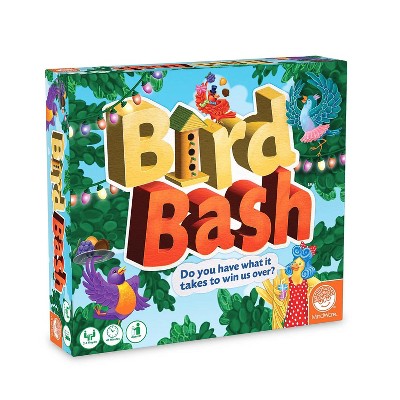
MindWare Bird Bash Family Board Game for 2-4 Players Ages 8 & Up

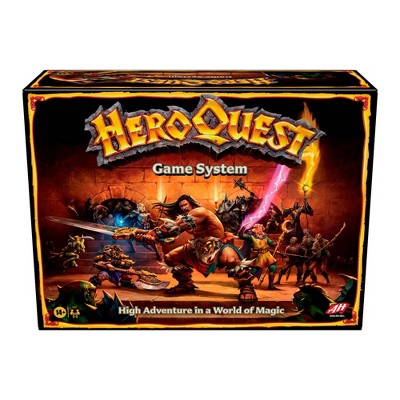
HeroQuest Game System

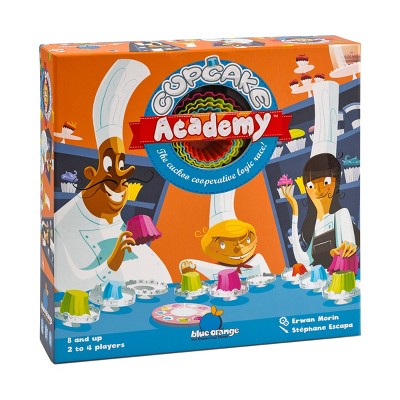
Blue Orange Cupcake Academy Board Game

Sponsored

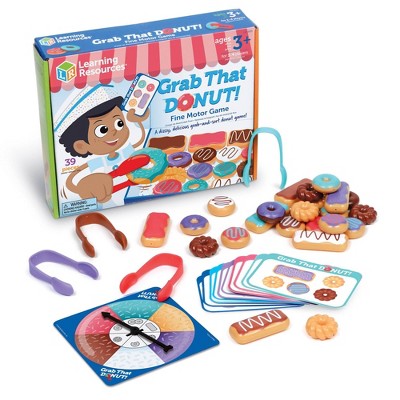
Learning Resources Grab That Donut Fine Motor Game

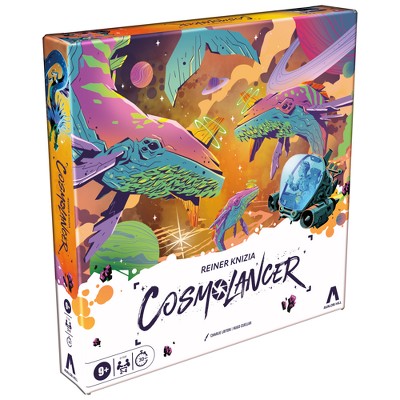
Hasbro Gaming Cosmolancer Board Game

$13.39
4.6(34)
Loved for: engaging gameplay

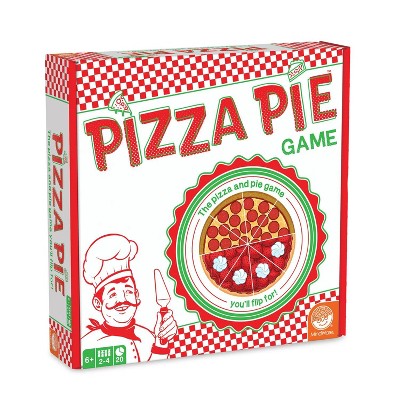
Pizza Pie Family Cooperative Board Game

$27.99
4.8(20)
Loved for: engaging teamwork

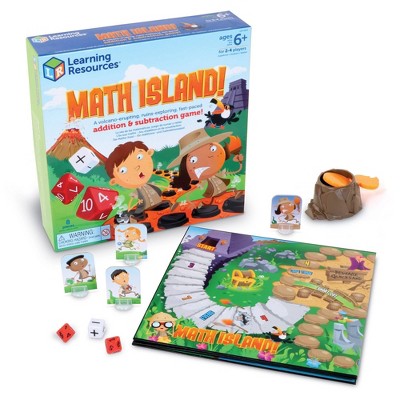
Learning Resources Math Island Addition & Subtraction Game: Educational Board Game for 1-4 Players

Sponsored

Powered by AI

Guests also ask:

Recommended ages vary widely across listings — examples include “3–17 Years,” “3 Years and Up,” “6 Years and Up,” “8 Years and Up,” and “14 Years and Up.”

Session length varies by product. Some card and board games list fixed playtimes (examples: “20–60 minutes,” “30 minutes or more,” and “1 hour”), while many puzzles and challenge-based items emphasize the number of challenges or obstacles to complete instead of a fixed session length.

Most listings state “No Battery Used” for puzzle/track and many board items. At least one domino-style set specifies a battery type (3 LR44) and notes batteries included.

Many items list plastic construction, and some specifically identify ABS (Acrylonitrile Butadiene Styrene) for certain pieces.

Difficulty is shown in several ways: numbered challenge sets or obstacle counts (for example, 80, 100, or 200+ challenges), explicit tiered difficulty levels (e.g., “3 levels of play”), or progressive collections of puzzles that increase in complexity.

Sponsored

Get top deals, latest trends, and more.