Target New ArrivalsBack to SchoolCollegeClothing, Shoes & AccessoriesHome & DecorKitchen & DiningOutdoor Living & GardenGroceryHousehold EssentialsBabyBeautyPersonal CareSports & OutdoorsHealthWellnessSchool & Office SuppliesToys & GamesElectronics & TechVideo GamesMovies, Music & BooksParty SuppliesGift IdeasGift CardsPetsUlta Beauty at TargetShop by CommunityTarget OpticalDealsClearanceNew ArrivalsBack to SchoolCollegeTop DealsTarget Circle DealsWeekly AdShop Order PickupShop Same Day DeliveryRegistryRedCardTarget CircleFind Stores

cactus and succulent soil

371 results for “cactus and succulent soil”
Sponsored

Sponsored

Powered by AI

Guests also ask:

They rely on coarse, airy components and formulas that resist compaction so water passes through quickly. Common tactics include adding perlite and horticultural sand and using fast-draining potting blends to improve airflow and prevent water retention.

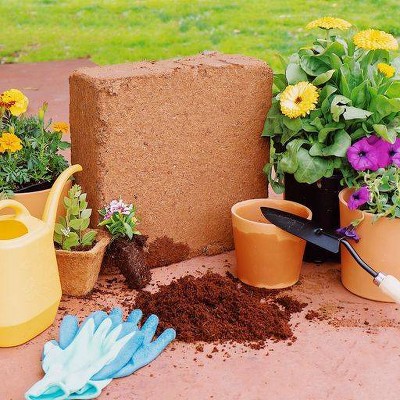
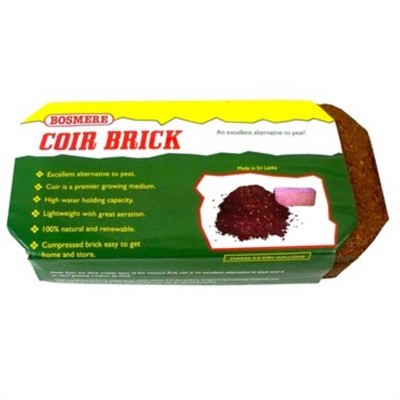
Hydrate the brick by slowly pouring warm water over it and let it absorb for about 30–40 minutes. Break the expanded coir apart by hand until it’s light and spongy. Avoid using water hotter than about 100°F.

Some mixes include dolomitic limestone to help balance pH. Other common amendments, such as horticultural perlite, are typically described as pH neutral.

Pre-mixed cactus soils commonly contain added plant food or nutrients, and some formulas are fortified with beneficial fungi or microbes to support root health and growth.

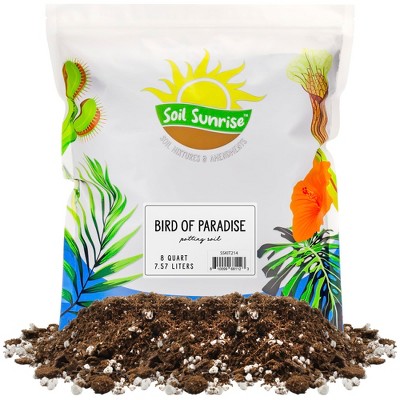
Small retail bags commonly hold about 4–8 quarts of potting mix. As a rough guide, an 8‑quart bag can fill two 8‑inch containers, while a 4‑quart bag is often enough for 2–3 small plants—actual coverage varies by pot size and plant root volume.

There are organic, peat-free cactus and succulent mixes sold commercially, and peat alternatives such as fully washed coconut coir bricks are marketed as sustainable substitutes for peat moss.

Perlite is sold in coarse, medium, and fine-to-coarse blended grades. Described particle ranges include roughly 1/16 inch up to about 1/2 inch, with medium grades around 1/4 inch or smaller and coarse pieces around 1/2 inch (about 13 mm) or larger.

Get top deals, latest trends, and more.