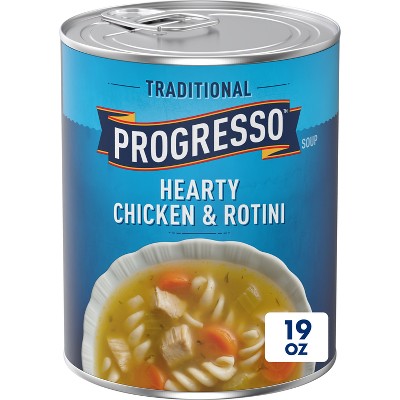
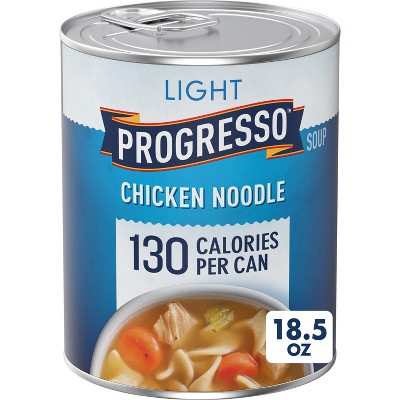
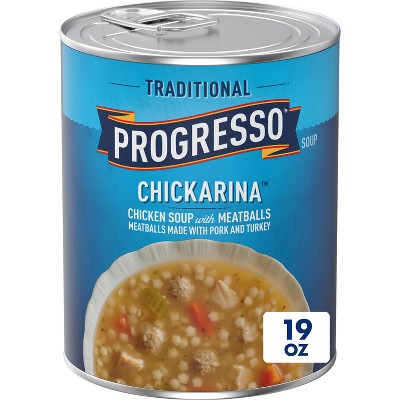
canned lentil soup
278 results for “canned lentil soup”
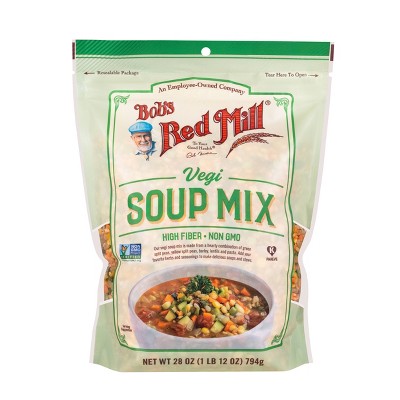
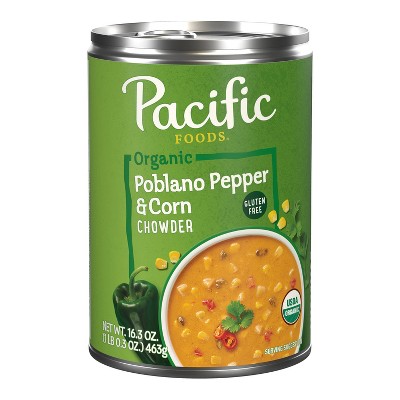
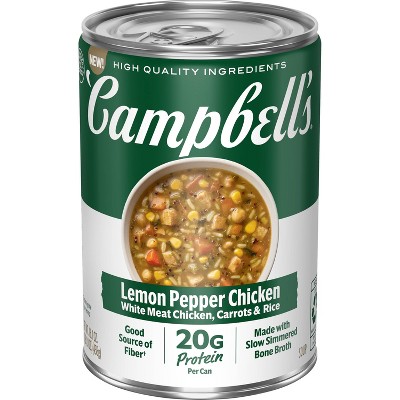
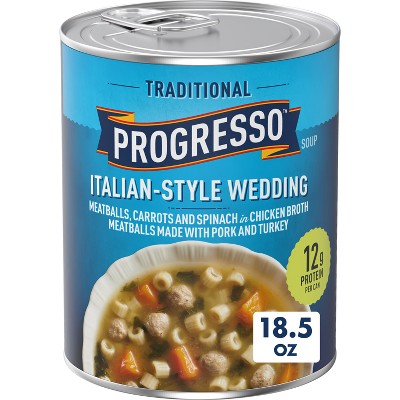
$3.49($0.21/ounce)
Loved for: easy to prepare
SNAP EBT eligible
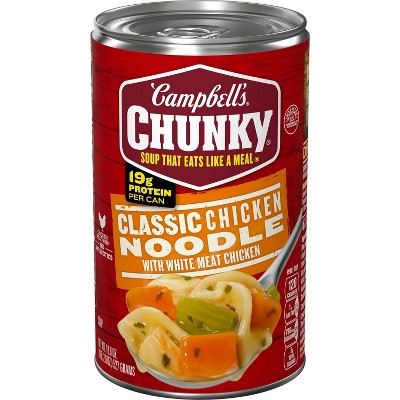
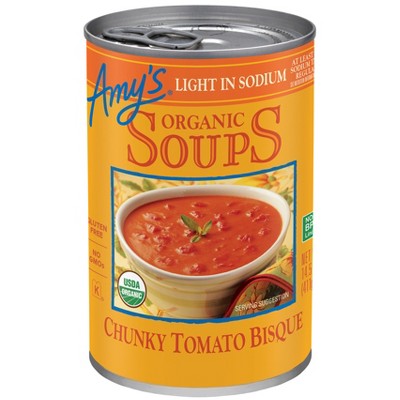
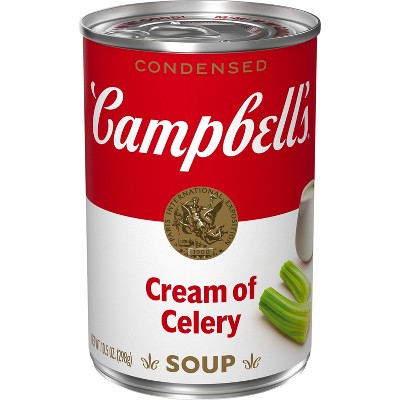
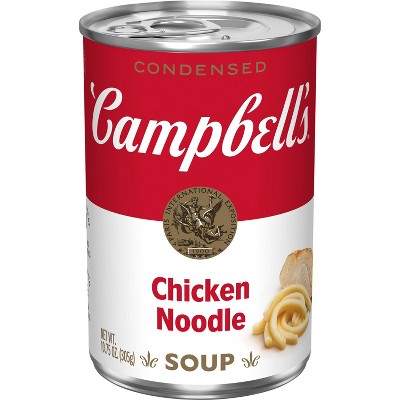
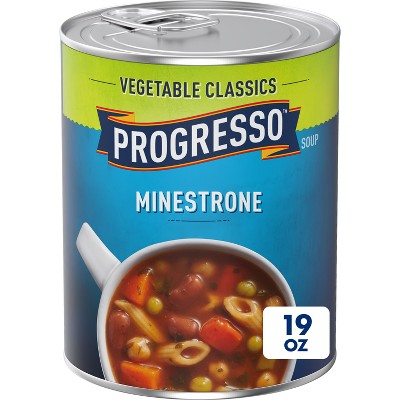
$2.19($0.21/ounce)
Loved for: great flavor
SNAP EBT eligible
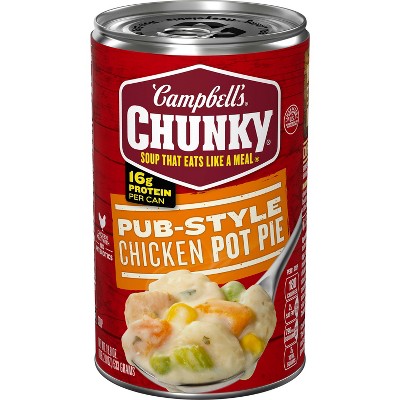
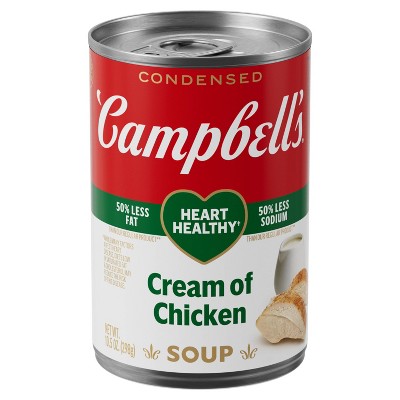
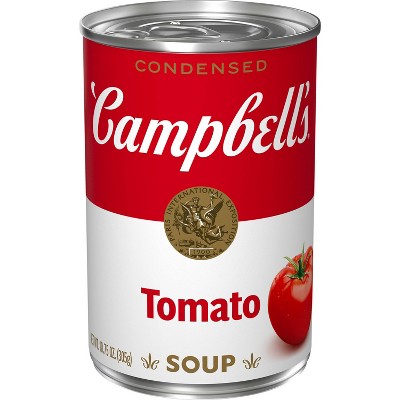
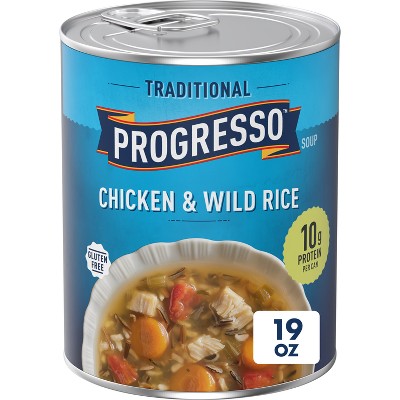
$2.19($0.21/ounce)
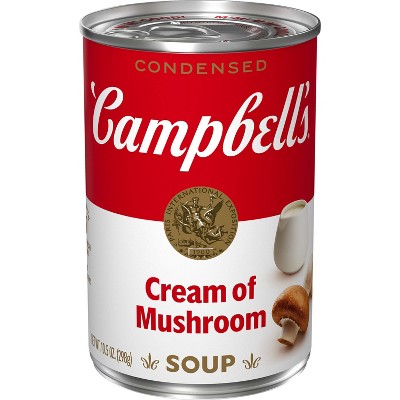
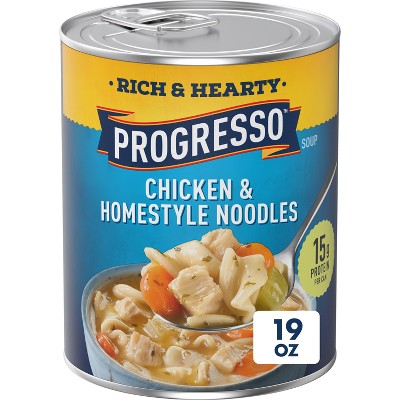
$1.19($0.11/ounce)
was $1.49
New lower price
Loved for: great flavor
SNAP EBT eligible
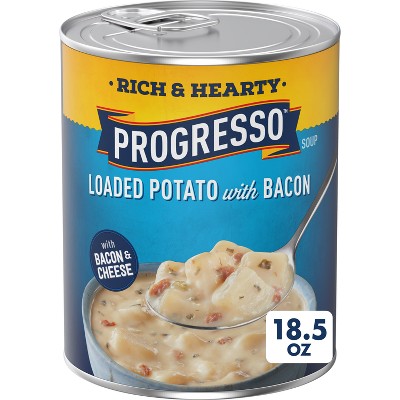
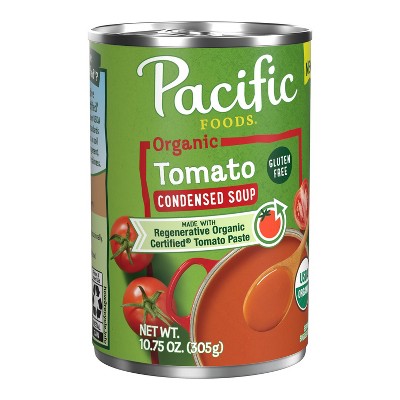
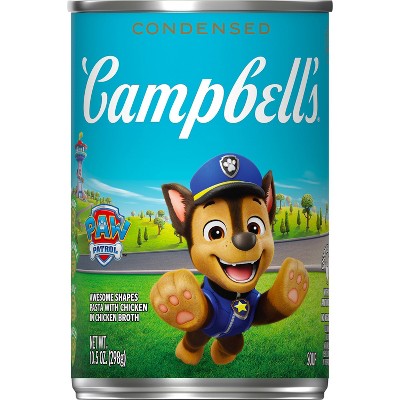
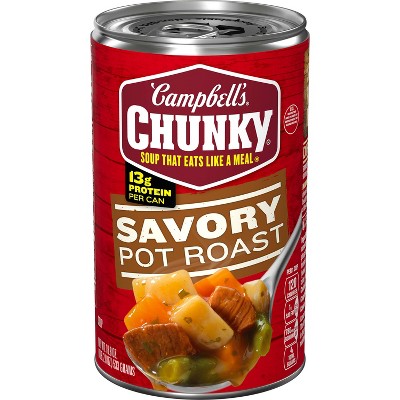
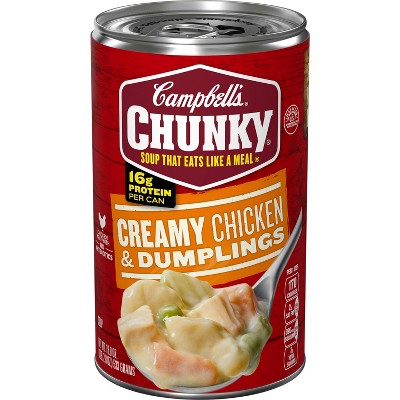
$2.49($0.13/ounce)
Buy 3 for $6 Campbell's canned soup
Loved for: hearty flavor
SNAP EBT eligible
Sponsored
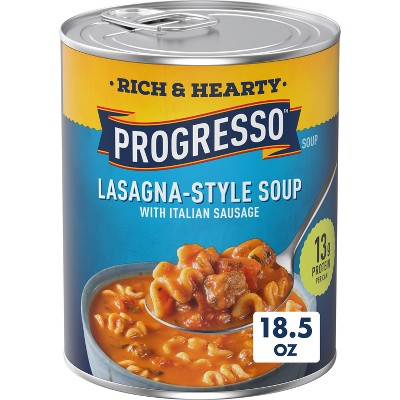
$2.49($0.13/ounce)
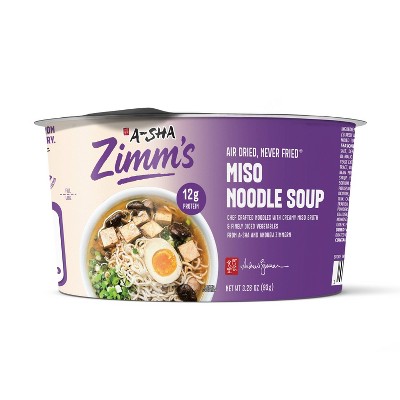
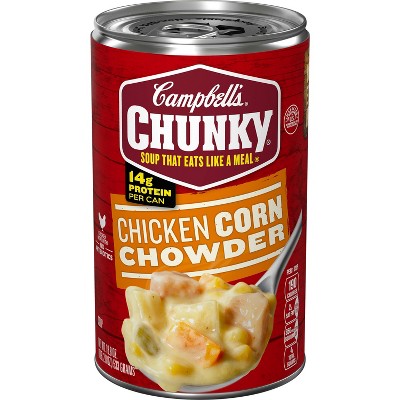
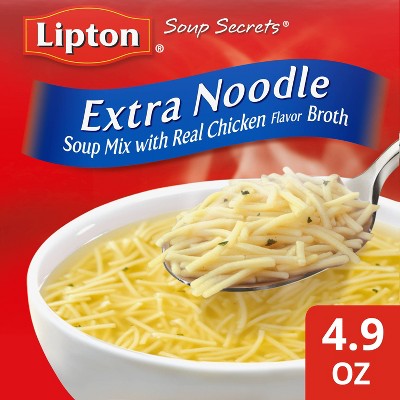
$1.99($0.41/ounce)
SNAP EBT eligible
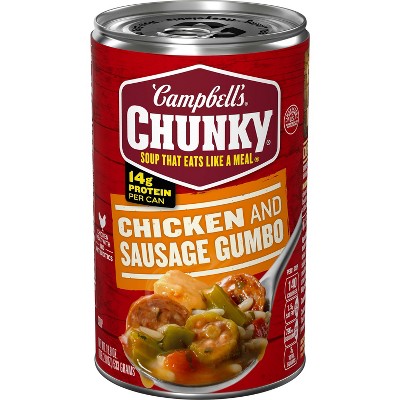
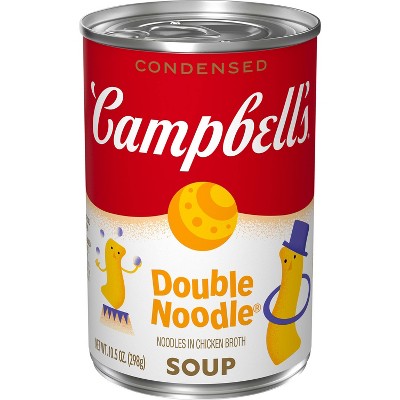
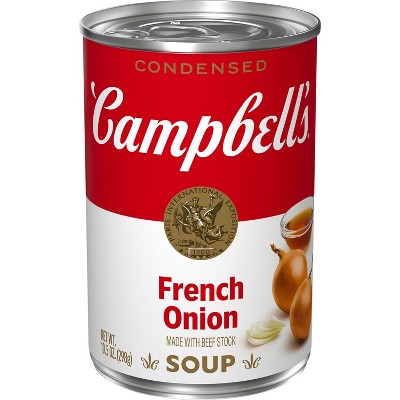
$2.19($0.21/ounce)
Loved for: rich flavor
SNAP EBT eligible
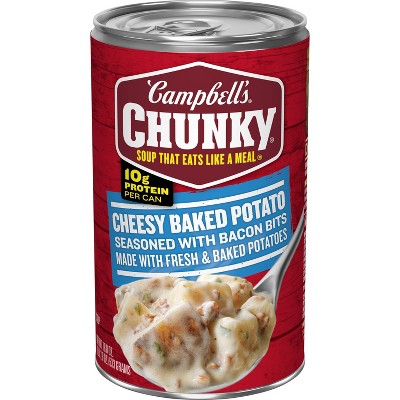
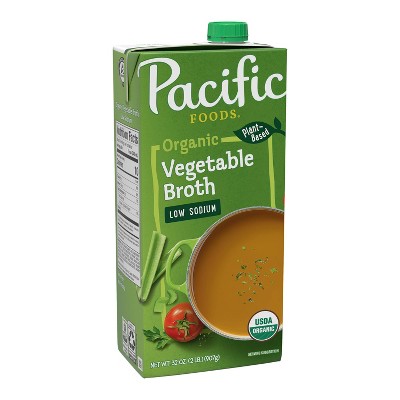
$3.69($0.12/ounce)
Loved for: healthy option
SNAP EBT eligible
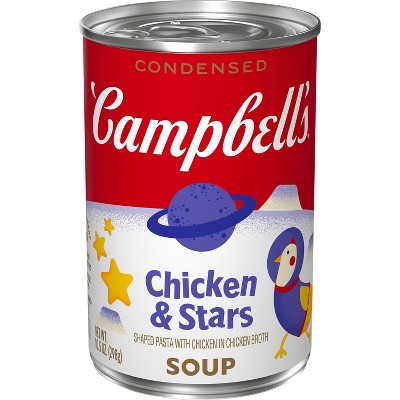
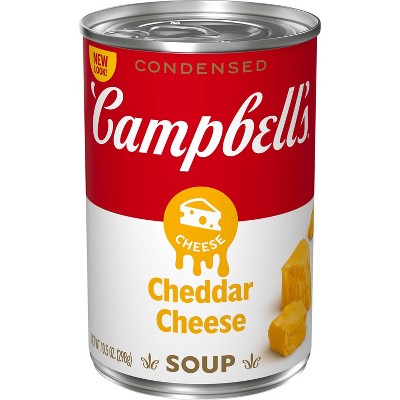
$2.19($0.21/ounce)
Loved for: easy to prepare
SNAP EBT eligible
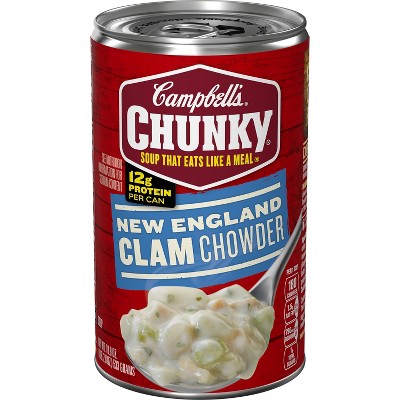
Sponsored
Powered by AI
Guests also ask:
Related searches
- lentil soup low sodium
- lentil soup
- canned soup healthy
- organic soup canned
- alessi lentil soup
- lentil soup organic
- pacific lentil soup
- curry lentil soup
- brocollie cheddar soup
- chickpea soup
- amys kitchen lentil soup
- chicken rice soup
- broccoli cheese soup
- giada lentil soup
- chicken soup canned
- good and gather soup
- progresso canned soups lentil
- soup canned minestrone
- indiana harvest sausage lentil soup
- canned italian wedding soup
Trending now
- Highly rated$1.59 - $5.21Select items on saleBuy 4 for $4 Campbell's tomato & chicken noodle soup on select items4.7 out of 5 stars with 2401 ratings
- Highly rated$1.59 - $5.21Select items on saleBuy 4 for $4 Campbell's tomato & chicken noodle soup on select items4.7 out of 5 stars with 1568 ratings
- Highly rated$2.49($0.13/ounce)Buy 3 for $6 Campbell's canned soup4.6 out of 5 stars with 1076 ratings
- $2.49($0.13/ounce)Buy 3 for $6 Campbell's canned soup4.6 out of 5 stars with 614 ratings
- $2.49($0.13/ounce)Buy 3 for $6 Campbell's canned soup4.5 out of 5 stars with 696 ratings
- $2.49($0.13/ounce)Buy 3 for $6 Campbell's canned soup4.5 out of 5 stars with 508 ratings
- Highly rated$2.19($0.21/ounce)Buy 4 for $6 Campbell's canned soup4.6 out of 5 stars with 2340 ratings