lentil soup
311 results for “lentil soup”
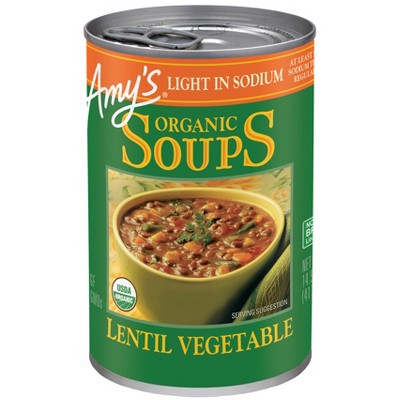
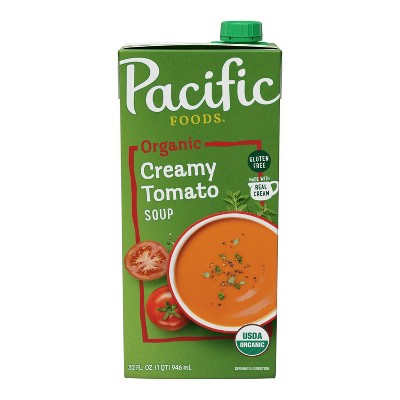
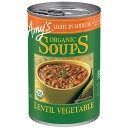
$3.89($0.27/ounce)
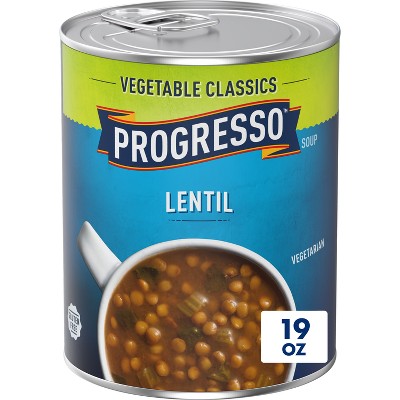
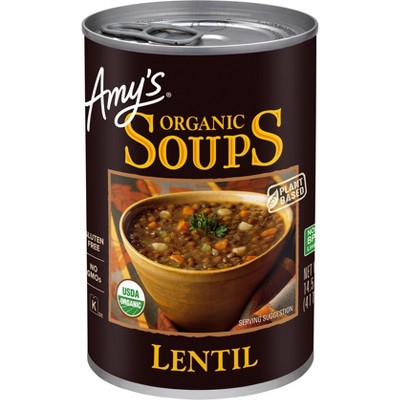
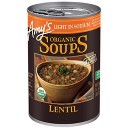
$3.89($0.27/ounce)
Loved for: organic ingredients
SNAP EBT eligible
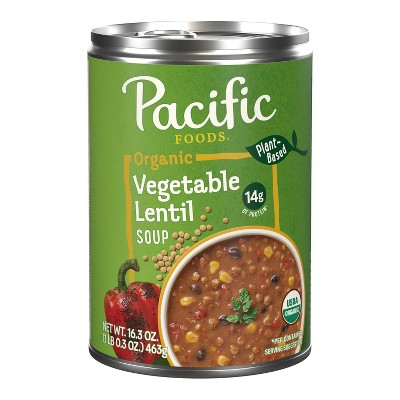
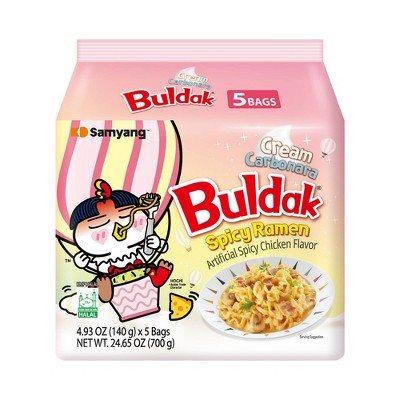
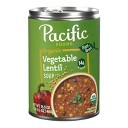
$3.49($0.21/ounce)
was $3.69
New lower price
Loved for: hearty texture
SNAP EBT eligible
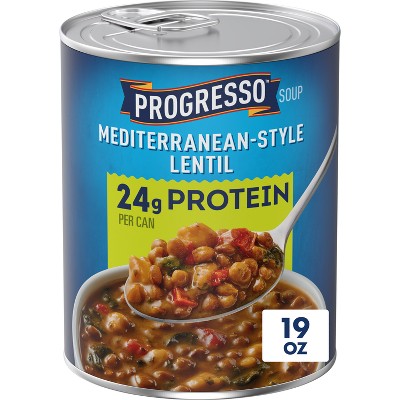
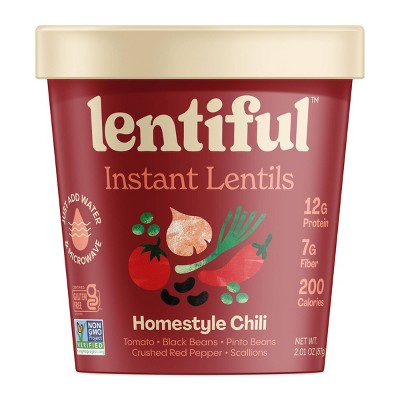
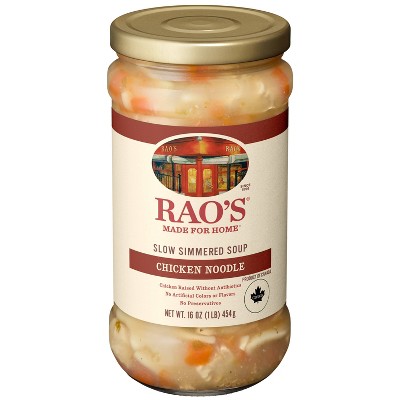
$2.79($1.39/ounce)
reg $3.79
Sale
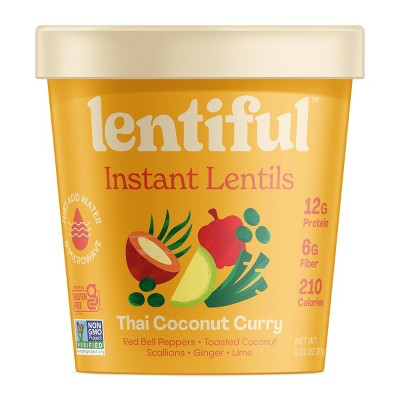
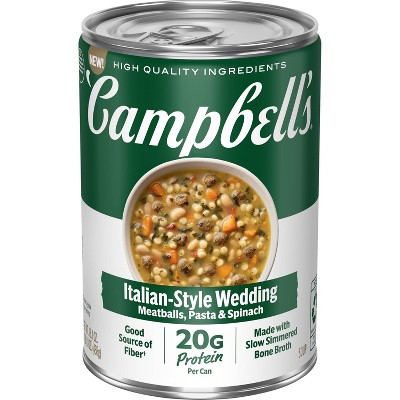
$2.79($1.39/ounce)
reg $3.79
Sale
Loved for: quick preparation
SNAP EBT eligible
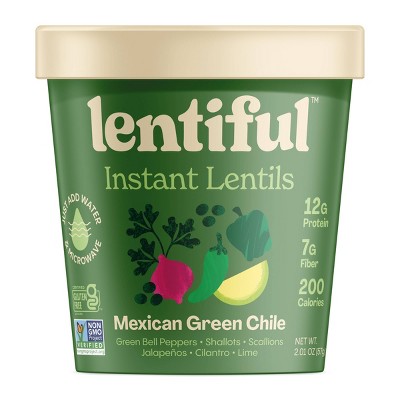
$2.79($1.39/ounce)
reg $3.79
Sale
Recommendations for you
- $3.49($0.21/ounce)was $3.69 New lower price4.6 out of 5 stars with 183 ratings
- $2.89($0.15/ounce)Buy 3 for $5 Progresso canned soup4.5 out of 5 stars with 288 ratings
- $2.79($1.39/ounce)reg $3.79 Sale4.6 out of 5 stars with 32 ratings
- $2.79($1.39/ounce)reg $3.79 Sale4.4 out of 5 stars with 29 ratings
- $2.79($1.39/ounce)reg $3.79 Sale4.3 out of 5 stars with 29 ratings
- $2.49($0.13/ounce)Buy 3 for $5 Progresso canned soup4.7 out of 5 stars with 1476 ratings
- $2.49($0.13/ounce)Buy 3 for $5 Progresso canned soup4.5 out of 5 stars with 923 ratings
- $3.49($0.21/ounce)was $3.69 New lower price4.4 out of 5 stars with 286 ratings
- $2.49($0.13/ounce)Buy 3 for $5 Progresso canned soup4.7 out of 5 stars with 3181 ratings
- $2.89($0.16/ounce)Buy 3 for $5 Progresso canned soup4.5 out of 5 stars with 279 ratings
- $2.49($0.13/ounce)Buy 3 for $5 Progresso canned soup4.5 out of 5 stars with 11 ratings
- $2.49($0.13/ounce)Buy 3 for $5 Progresso canned soup4.7 out of 5 stars with 719 ratings
- $2.49($0.13/ounce)Buy 3 for $5 Progresso canned soup4.6 out of 5 stars with 489 ratings
- Highly rated$2.49 - $8.99Buy 3 for $5 Progresso canned soup on select items4.7 out of 5 stars with 1024 ratings
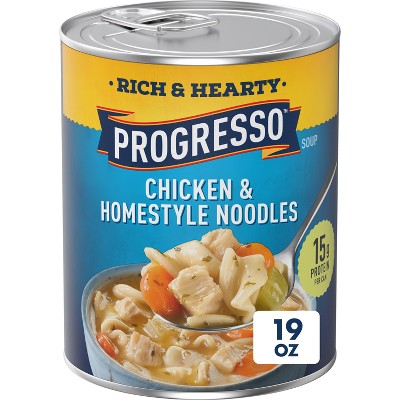
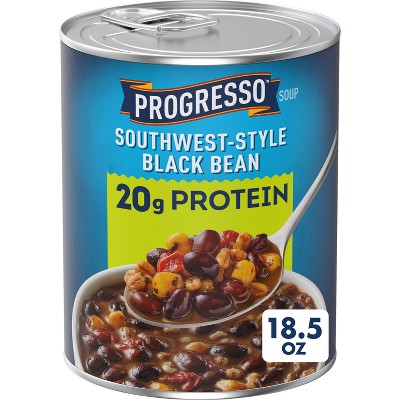
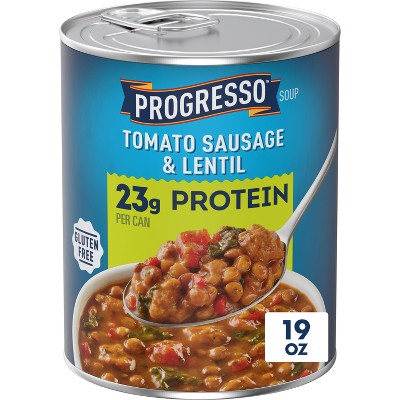
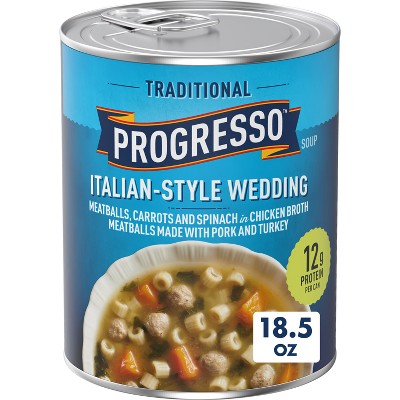
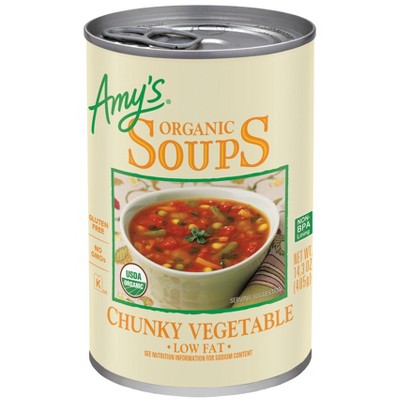
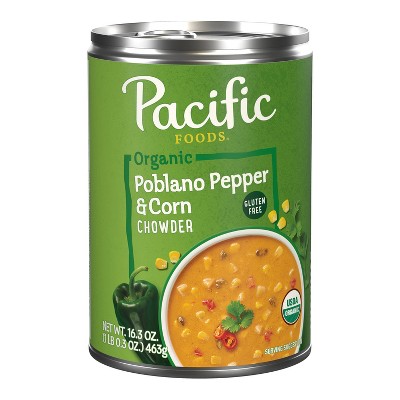
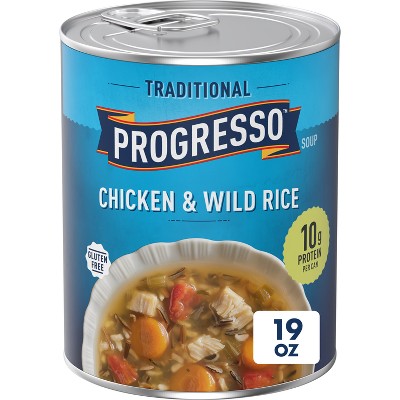
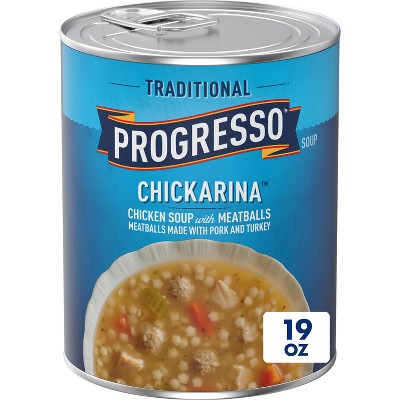
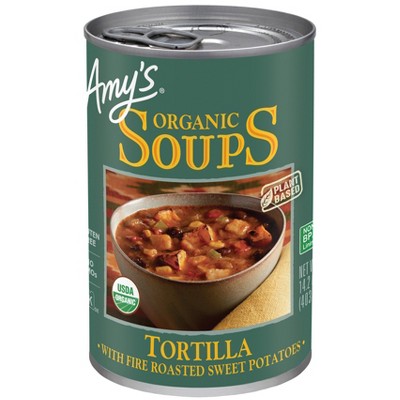
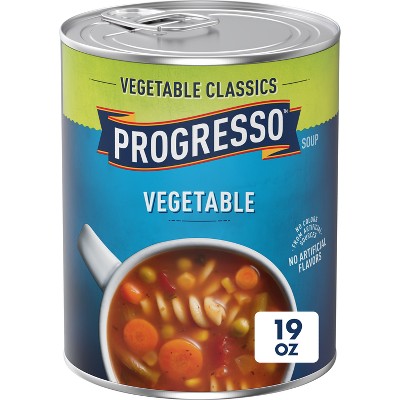
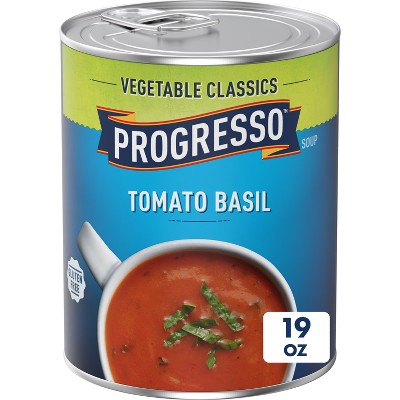
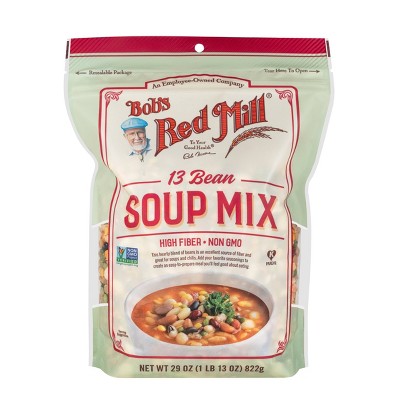
Sponsored
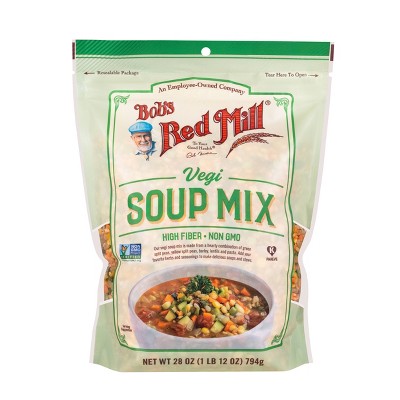
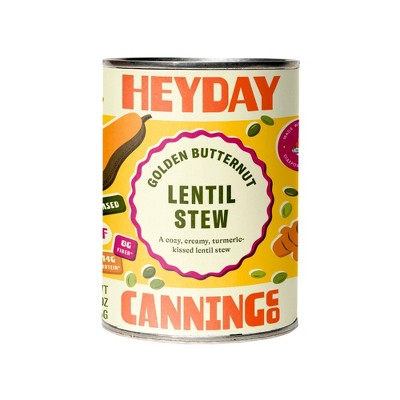



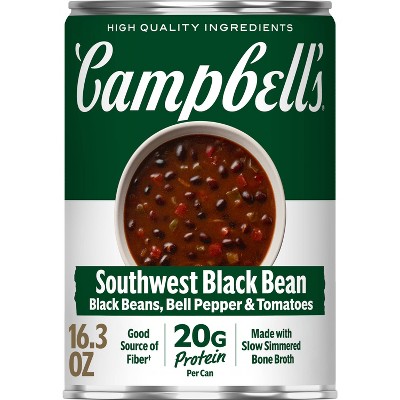
Related deals
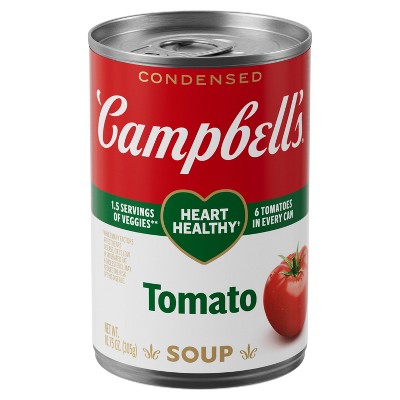
- Highly rated$1.49 - $5.21Select items on saleBuy 4 for $4 Campbell's tomato & chicken noodle soup on select items4.7 out of 5 stars with 1560 ratings
- Highly rated$1.49 - $5.21Select items on saleBuy 4 for $4 Campbell's tomato & chicken noodle soup on select items4.7 out of 5 stars with 2382 ratings
- Highly rated$2.49 - $8.99Buy 3 for $5 Progresso canned soup on select items4.7 out of 5 stars with 1024 ratings
- Highly rated$2.49($0.13/ounce)Buy 3 for $6 Campbell's canned soup4.6 out of 5 stars with 1068 ratings
- $2.49($0.13/ounce)Buy 3 for $5 Progresso canned soup4.5 out of 5 stars with 923 ratings
- $2.49($0.13/ounce)Buy 3 for $5 Progresso canned soup4.7 out of 5 stars with 1476 ratings
- $2.49($0.13/ounce)Buy 3 for $6 Campbell's canned soup4.5 out of 5 stars with 691 ratings
- Highly rated$2.19($0.21/ounce)Buy 4 for $6 Campbell's canned soup4.6 out of 5 stars with 2339 ratings
- $2.49($0.13/ounce)Buy 3 for $6 Campbell's canned soup4.6 out of 5 stars with 611 ratings
- $2.19($0.21/ounce)Buy 4 for $6 Campbell's canned soup4.5 out of 5 stars with 1117 ratings
- $2.19($0.21/ounce)Buy 4 for $6 Campbell's canned soup4.6 out of 5 stars with 223 ratings
- $2.49($0.13/ounce)Buy 3 for $6 Campbell's canned soup4.6 out of 5 stars with 468 ratings
- $2.49($0.13/ounce)Buy 3 for $6 Campbell's canned soup4.5 out of 5 stars with 500 ratings
- Highly rated$2.19 - $5.39Select items on saleBuy 4 for $6 Campbell's canned soup on select items4.7 out of 5 stars with 621 ratings
- $2.19($0.21/ounce)Buy 4 for $6 Campbell's canned soup4.5 out of 5 stars with 1918 ratings
- Highly rated$2.19($0.21/ounce)Buy 4 for $6 Campbell's canned soup4.6 out of 5 stars with 807 ratings
- $2.19($0.20/ounce)Buy 4 for $6 Campbell's canned soup4.7 out of 5 stars with 251 ratings
- $2.49($0.13/ounce)Buy 3 for $6 Campbell's canned soup4.4 out of 5 stars with 437 ratings
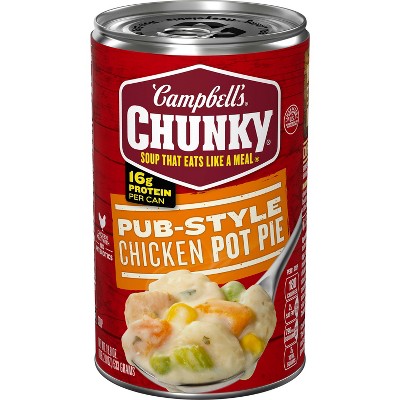
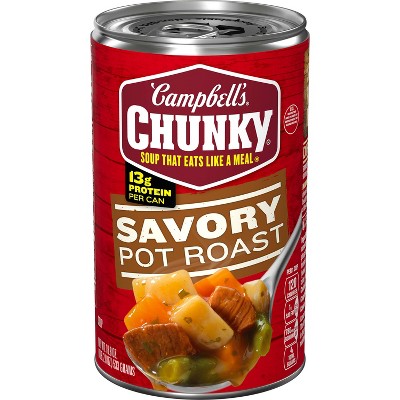
- $2.49($0.13/ounce)Buy 3 for $6 Campbell's canned soupCampbell's Chunky Savory Pot Roast Soup - 18.8oz: No Artificial Flavors, No High Fructose Corn Syrup4.5 out of 5 stars with 337 ratings
- $2.49($0.13/ounce)Buy 3 for $6 Campbell's canned soup4.5 out of 5 stars with 254 ratings
- $2.49($0.13/ounce)Buy 3 for $6 Campbell's canned soup4.4 out of 5 stars with 298 ratings
- $2.89($0.16/ounce)Buy 3 for $5 Progresso canned soup4.4 out of 5 stars with 13 ratings
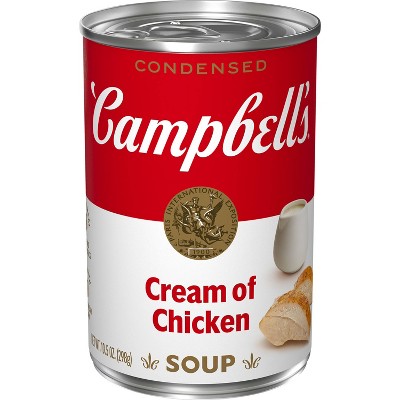
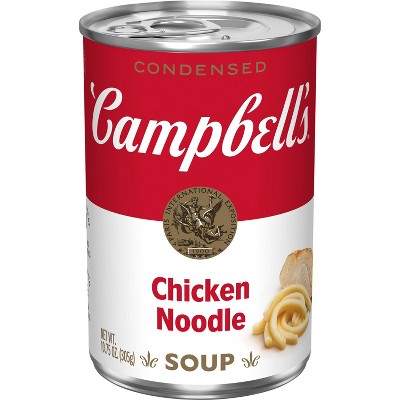
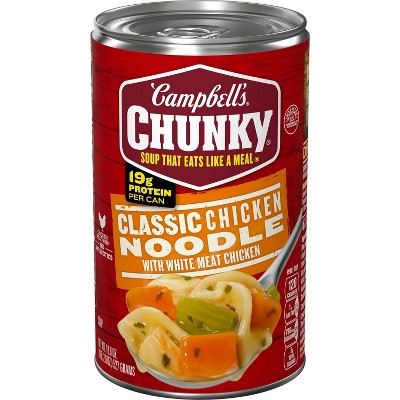
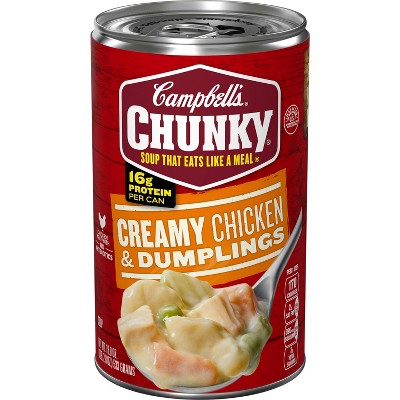
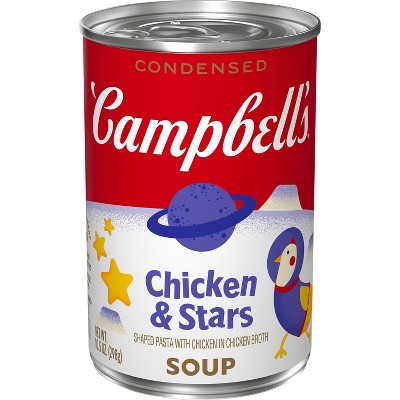
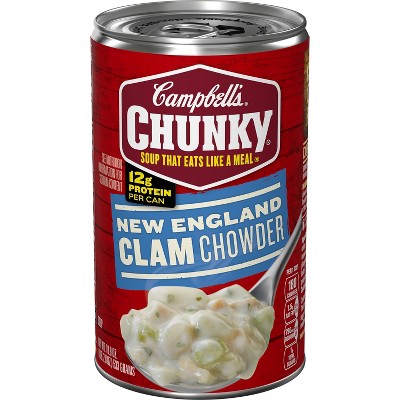
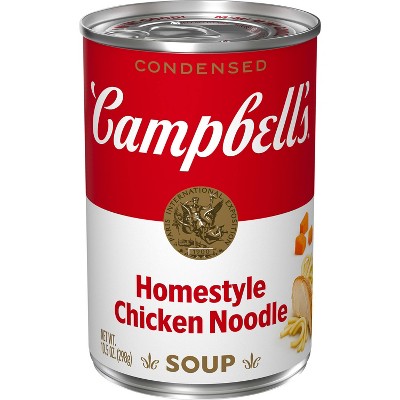
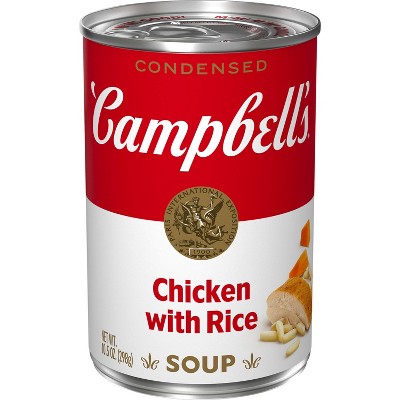
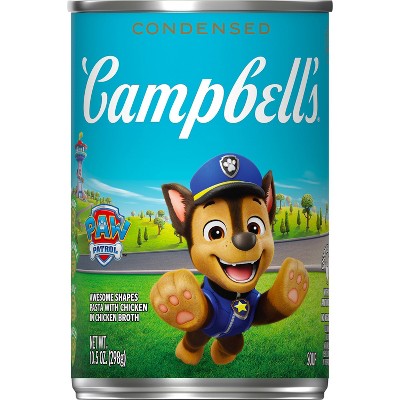
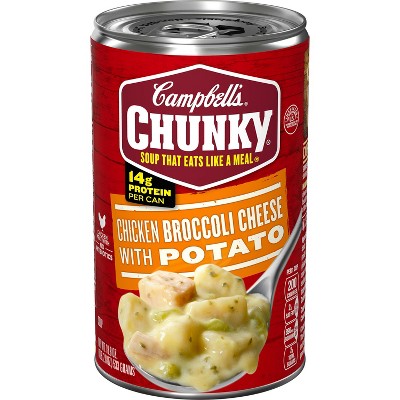
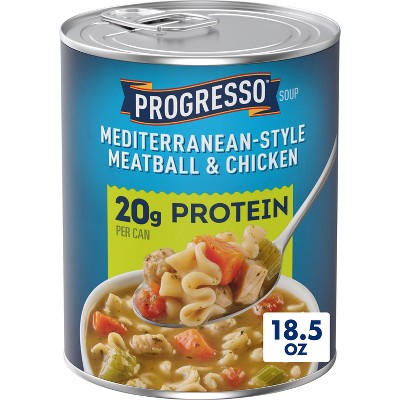
Sponsored
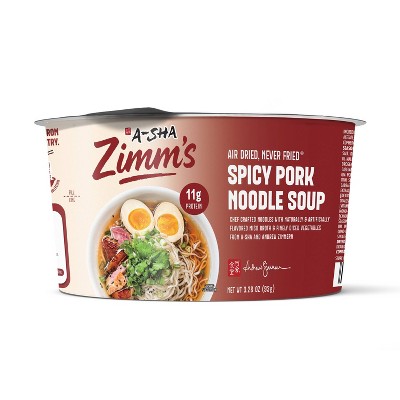
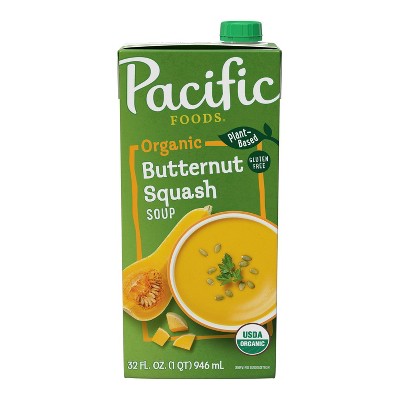
$4.19($0.13/fluid ounce)
SNAP EBT eligible
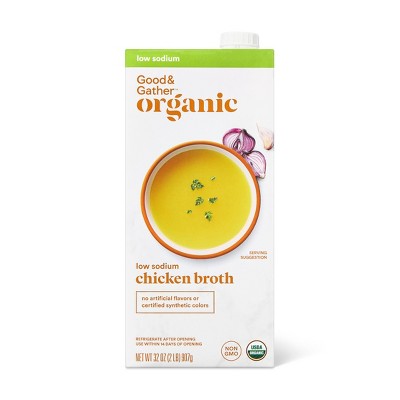
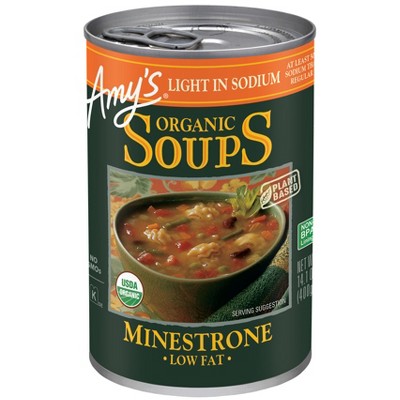
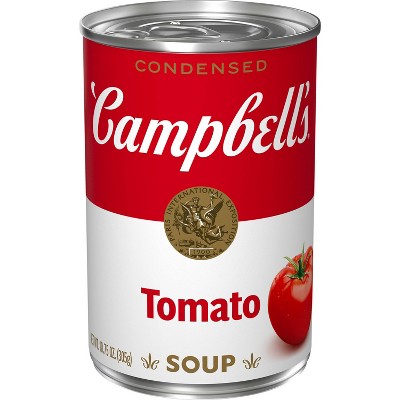
$1.49($0.14/ounce)
Select items on sale
Buy 4 for $4 Campbell's tomato & chicken noodle soup on select items
Loved for: versatile ingredient
SNAP EBT eligible
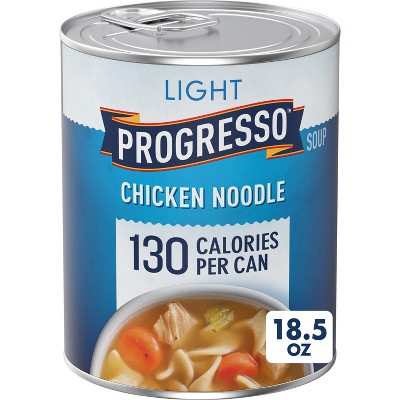
Sponsored
Powered by AI
Guests also ask:
Related searches
- canned lentil soup
- pea soup
- lentil soup low sodium
- pacific lentil soup
- lentil soup organic
- curry lentil soup
- chickpea soup
- alessi lentil soup
- quinoa soup
- amys kitchen lentil soup
- good and gather soup
- veggie soup
- giada lentil soup
- brocollie cheddar soup
- no sodium soup
- pacific organic vegetable quinoa soup
- indiana harvest sausage lentil soup
- movie tortilla soup
- tasty bite madras lentils
- lunch soup
Trending now
- Highly rated$1.49 - $5.21Select items on saleBuy 4 for $4 Campbell's tomato & chicken noodle soup on select items4.7 out of 5 stars with 1560 ratings
- Highly rated$1.49 - $5.21Select items on saleBuy 4 for $4 Campbell's tomato & chicken noodle soup on select items4.7 out of 5 stars with 2382 ratings
- Highly rated$2.49($0.13/ounce)Buy 3 for $6 Campbell's canned soup4.6 out of 5 stars with 1068 ratings
- $2.49($0.13/ounce)Buy 3 for $6 Campbell's canned soup4.6 out of 5 stars with 611 ratings
- $2.49($0.13/ounce)Buy 3 for $6 Campbell's canned soup4.6 out of 5 stars with 468 ratings
- $2.49($0.13/ounce)Buy 3 for $6 Campbell's canned soup4.5 out of 5 stars with 691 ratings
- Highly rated$2.49 - $8.99Buy 3 for $5 Progresso canned soup on select items4.7 out of 5 stars with 1024 ratings
- $2.49($0.13/ounce)Buy 3 for $6 Campbell's canned soup4.5 out of 5 stars with 254 ratings
- $2.49($0.13/ounce)Buy 3 for $6 Campbell's canned soup4.5 out of 5 stars with 500 ratings
- $3.99($0.29/ounce)was $4.49 New lower price4 out of 5 stars with 156 ratings