clay machine
221 results for “clay machine”
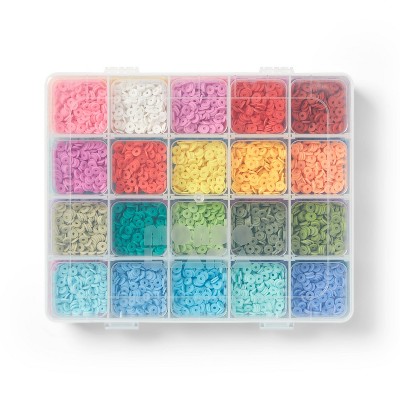
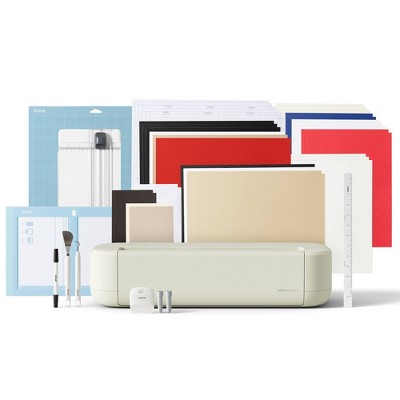
$199.00
reg $249.99
Sale
Loved for: fast cutting
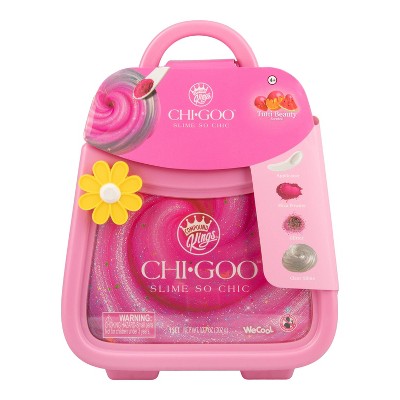
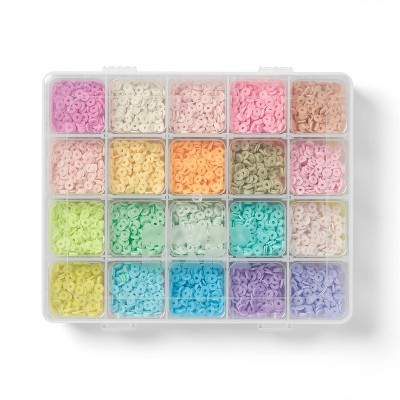
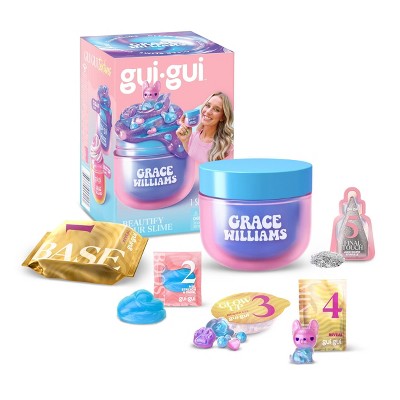
$9.99
Loved for: fun components
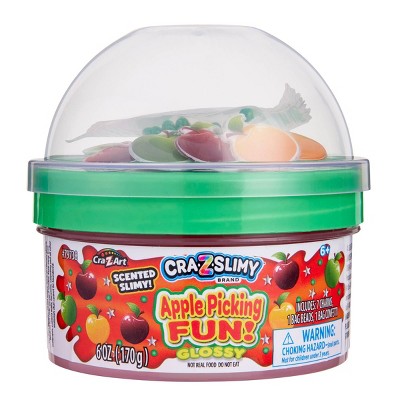
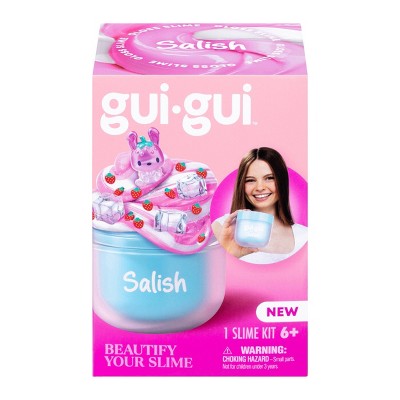
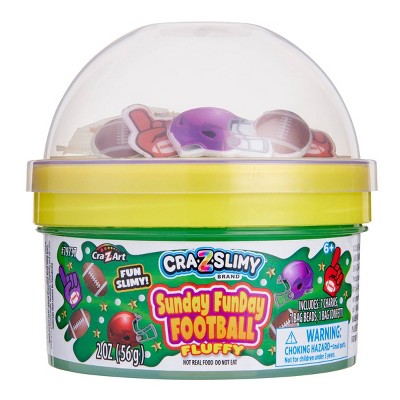
$9.99
Loved for: creative add-ins


Sponsored
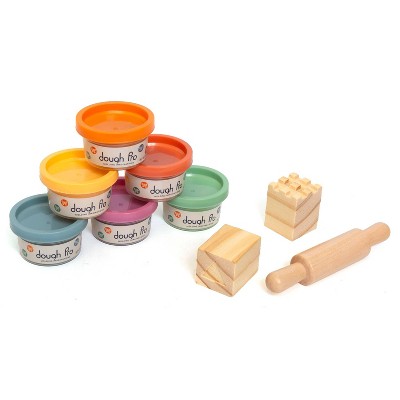
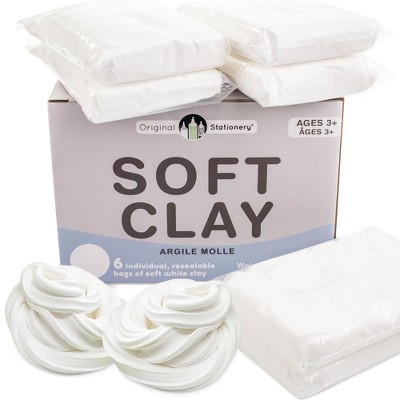
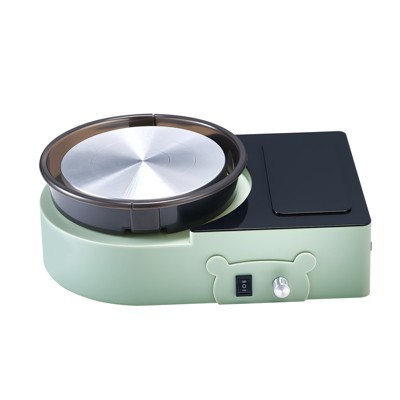
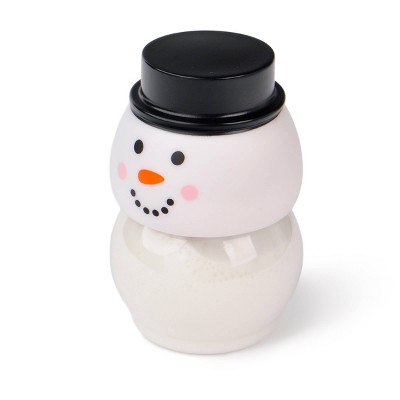
Sponsored
Powered by AI
Guests also ask:
Trending now
- $12.49reg $15.29 SaleBuy 1, Get 1 50% Off Select Play-doh and Kinetic Sand3.5 out of 5 stars with 334 ratings
- $24.99Buy 1, Get 1 50% Off Select Play-doh and Kinetic Sand2.9 out of 5 stars with 137 ratings
- $17.99reg $29.99 SaleBuy 1, Get 1 50% Off Select Play-doh and Kinetic Sand4.6 out of 5 stars with 20 ratings
- $15.99Buy 1, Get 1 50% Off Select Play-doh and Kinetic Sand4.8 out of 5 stars with 36 ratings
- Highly rated$7.99Buy 1, Get 1 50% Off Select Play-doh and Kinetic Sand4.6 out of 5 stars with 308 ratings
- Highly rated$19.99Buy 1, Get 1 50% Off Select Play-doh and Kinetic Sand4.8 out of 5 stars with 1018 ratings
- Highly rated$24.99Buy 1, Get 1 50% Off Select Play-doh and Kinetic Sand4.7 out of 5 stars with 367 ratings
- $39.99Buy 1, Get 1 50% Off Select Play-doh and Kinetic Sand4.8 out of 5 stars with 122 ratings
- $9.19reg $9.69 SaleBuy 1, Get 1 50% Off Select Play-doh and Kinetic Sand4.8 out of 5 stars with 49 ratings
- $39.99Buy 1, Get 1 50% Off Select Play-doh and Kinetic Sand4.8 out of 5 stars with 117 ratings
- Highly rated$8.79reg $9.49 SaleBuy 1, Get 1 50% Off Select Play-doh and Kinetic Sand4.7 out of 5 stars with 199 ratings
- $9.99Buy 1, Get 1 50% Off Select Play-doh and Kinetic Sand4.7 out of 5 stars with 46 ratings
- $14.99Buy 1, Get 1 50% Off Select Play-doh and Kinetic Sand5 out of 5 stars with 53 ratings
- Highly rated$17.99Buy 1, Get 1 50% Off Select Play-doh and Kinetic Sand4 out of 5 stars with 498 ratings
- Highly rated$24.99Buy 1, Get 1 50% Off Select Play-doh and Kinetic Sand4.7 out of 5 stars with 148 ratings
- $5.00Buy 1, Get 1 50% Off Select Play-doh and Kinetic Sand5 out of 5 stars with 1 ratings
- $9.99Buy 1, Get 1 50% Off Select Play-doh and Kinetic Sand4.7 out of 5 stars with 37 ratings
- Bestseller$4.99Buy 1, Get 1 50% Off Select Play-doh and Kinetic Sand4.7 out of 5 stars with 113 ratings
- $19.99Buy 1, Get 1 50% Off Select Play-doh and Kinetic Sand4.9 out of 5 stars with 40 ratings
- $8.79Buy 1, Get 1 50% Off Select Play-doh and Kinetic Sand4.8 out of 5 stars with 45 ratings
- $16.69was $18.89 New lower priceBuy 1, get 1 50% off preschool learning toys & play sets4.6 out of 5 stars with 95 ratings
- $24.99Buy 1, Get 1 50% Off Select Play-doh and Kinetic Sand4.6 out of 5 stars with 139 ratings
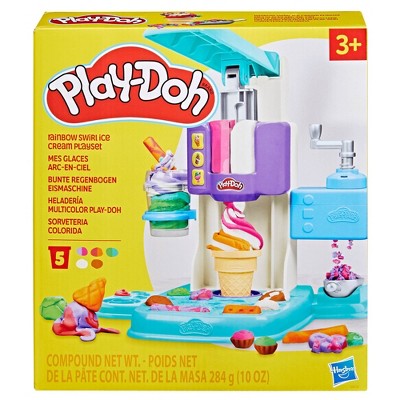
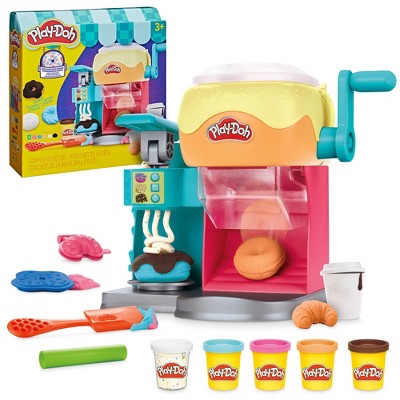
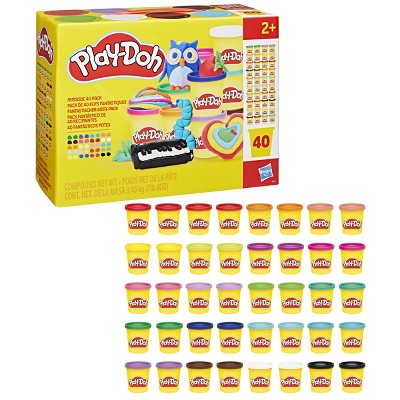
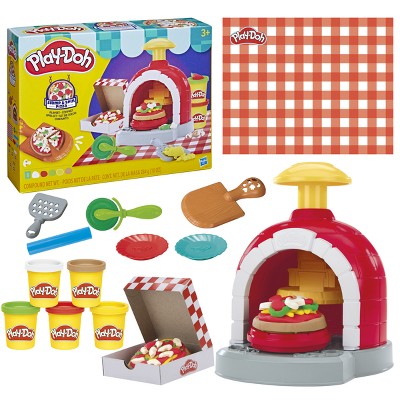
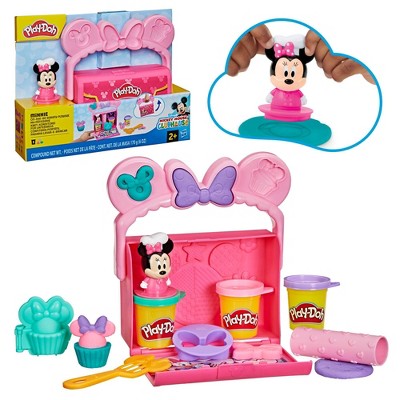
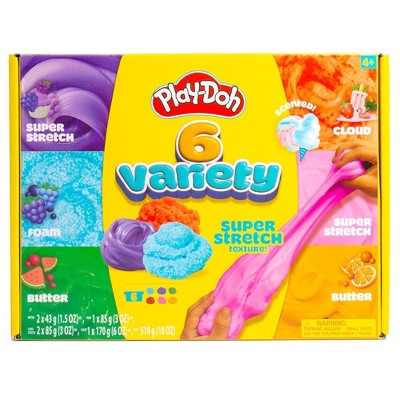
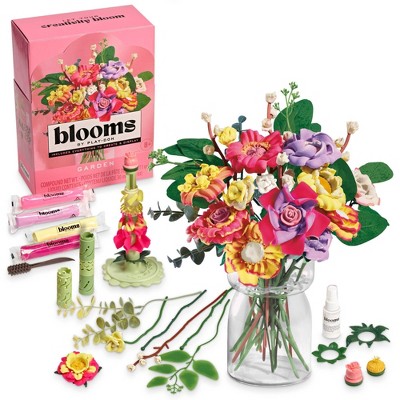
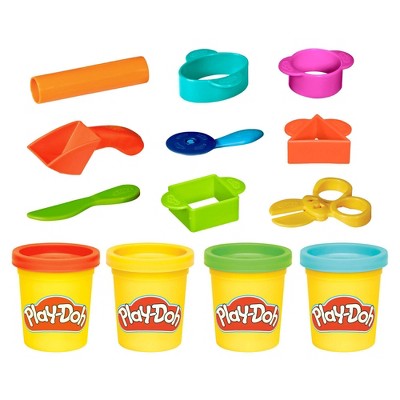
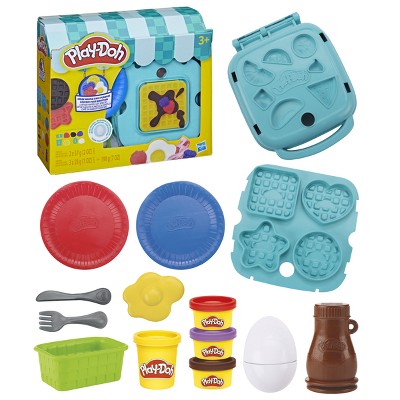
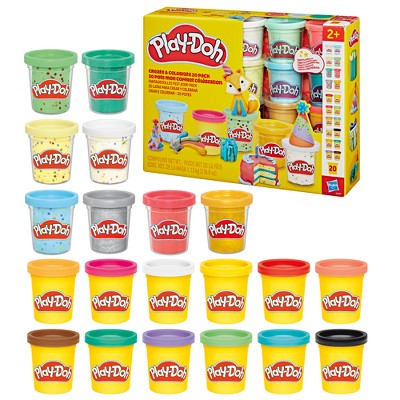
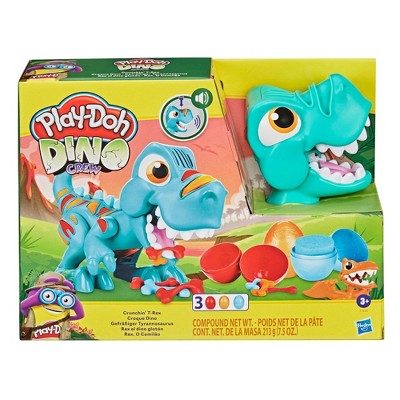
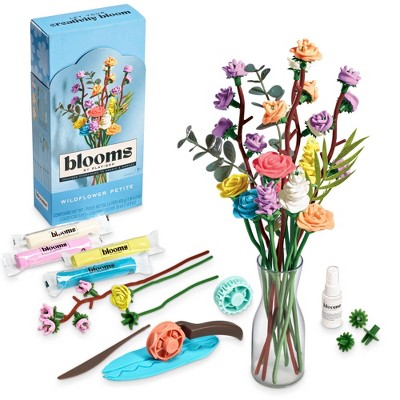
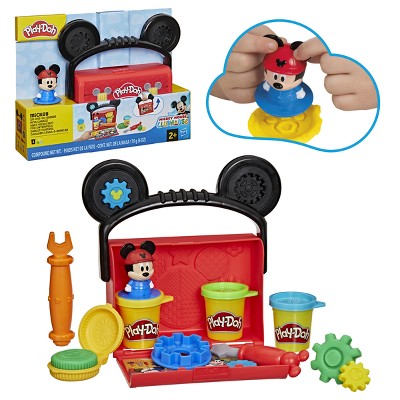
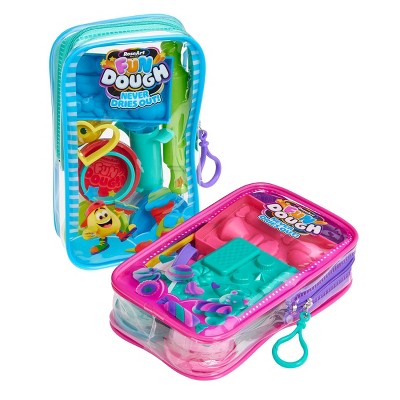
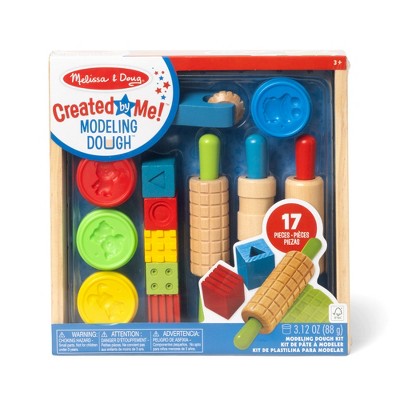
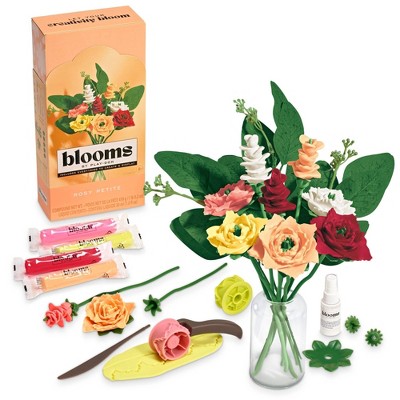
Sponsored