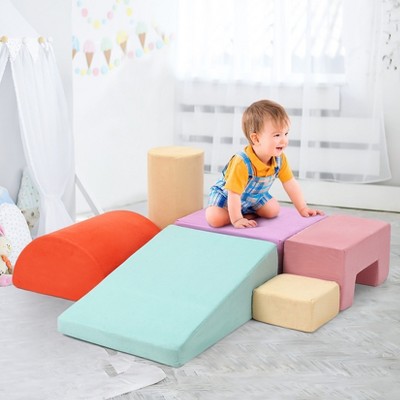
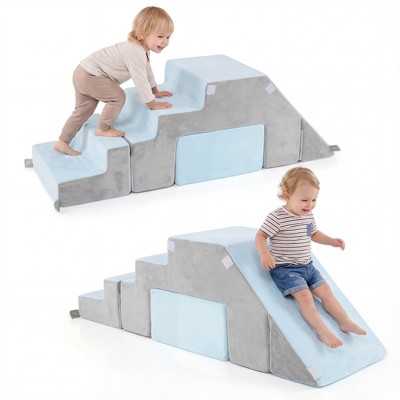
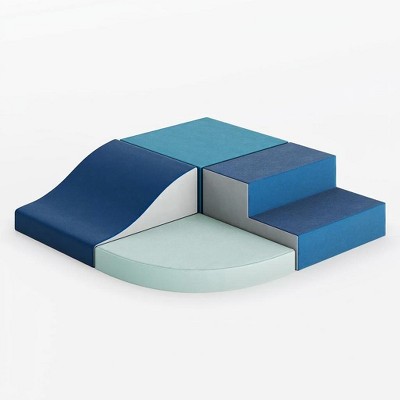
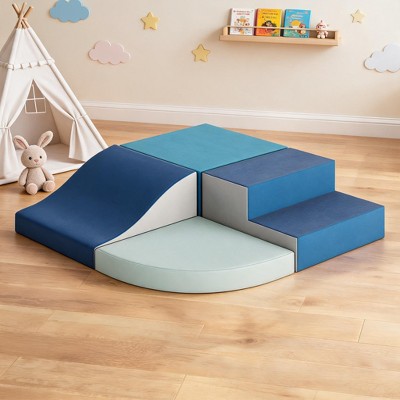
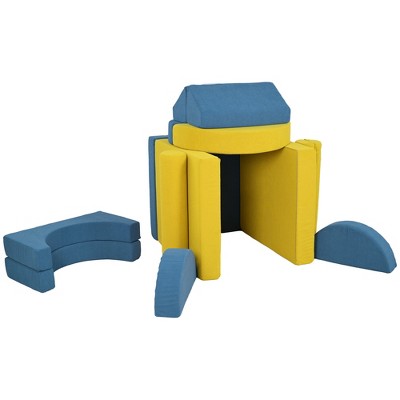
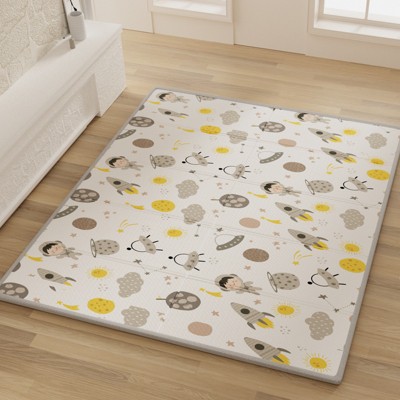
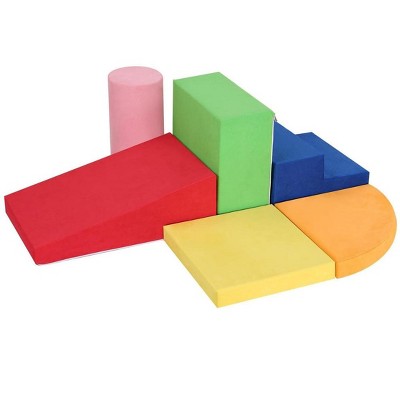
Sizes vary by product. Individual tiles commonly measure around 17.5 inches square. Assembled play areas range from roughly 51" x 51" or 71" x 71" to larger mats (some up to about 78.7" x 55"); multi-tile sets commonly form mats roughly 5.6 x 4 ft or about 5 x 5 ft depending on the number of pieces.
Cushioning descriptions vary by listing: many use qualitative terms like "thick" or "extra thick," while some modular sets specify a numeric thickness (for example, a 0.47‑inch cushioned surface). Several products also note higher-density foam designed to improve impact absorption.
Care instructions differ by product, but common recommendations are to spot clean or wipe with a damp cloth and mild soap, avoid submerging or soaking some foam mats, and follow any hand‑wash guidance listed by the manufacturer.
Some baby foam mats list safety certifications such as ASTM standards, JPMA, CPSIA, or EN71 compliance. Many listings also highlight material‑free claims, for example stating they are free from PVC, BPA, lead, phthalates, latex, or formamide.
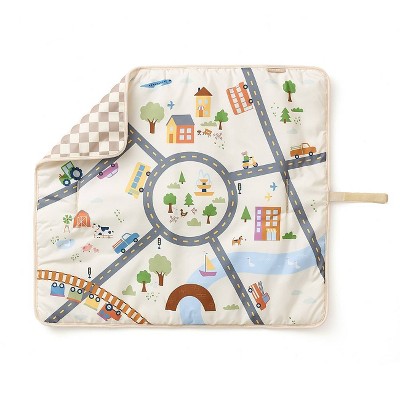
Many baby foam mats are designed for portability: they fold for compact storage, some include a carrying case, and several are marketed as lightweight or "fold‑and‑go" with folded dimensions supplied for travel.
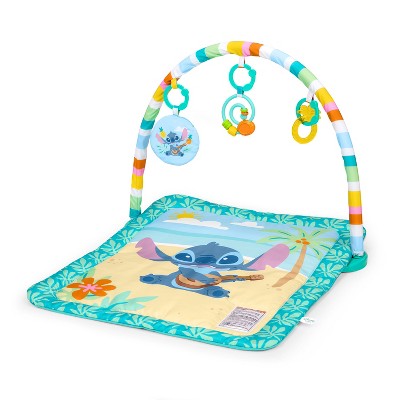
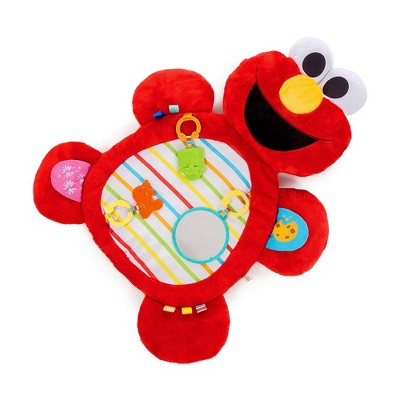
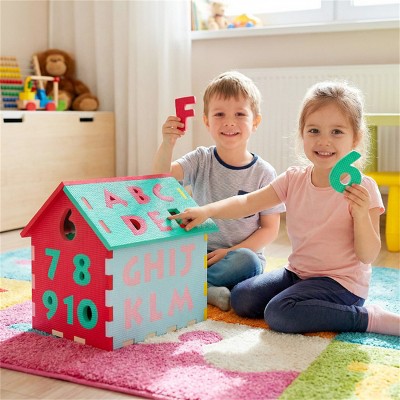
Common interactive features include pop‑out puzzle shapes and textured pieces for sensory play, interlocking tiles printed with letters and numbers for early learning, and reversible or pop‑up sides that add visual interest and help contain toys.
Suitability depends on the product. Many mats are described for indoor use on surfaces like carpet or hardwood; some manufacturers note appropriate outdoor use on controlled surfaces such as grass. A few listings warn against prolonged exposure to direct sunlight.