Target New ArrivalsBack to SchoolCollegeHalloweenClothing, Shoes & AccessoriesHome & DecorKitchen & DiningOutdoor Living & GardenGroceryHousehold EssentialsBabyBeautyPersonal CareSports & OutdoorsPetsHealthWellnessSchool & Office SuppliesToys & GamesElectronics & TechVideo GamesMovies, Music & BooksParty SuppliesGift IdeasGift CardsShop by CommunityTarget OpticalDealsClearanceNew ArrivalsBack to SchoolCollegeTop DealsTarget Circle DealsWeekly AdShop Order PickupShop Same Day DeliveryRegistryRedCardTarget CircleFind Stores

fridge cleaner

212 results for “fridge cleaner”

Sponsored

Sponsored

Powered by AI

Guests also ask:

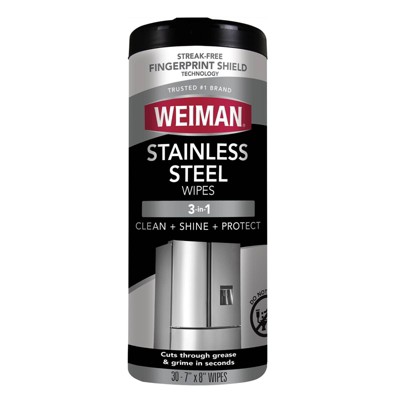
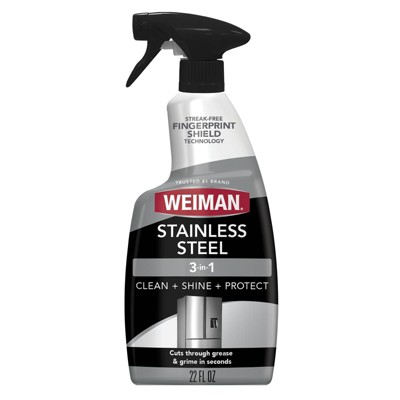
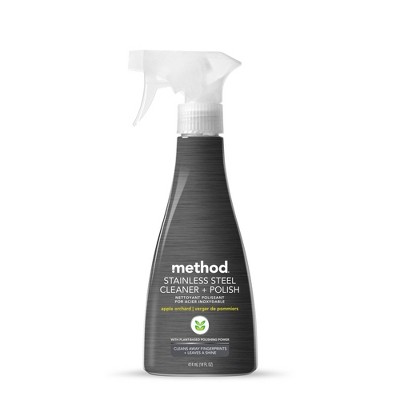
Fridge cleaners commonly come as liquid sprays/cleaners, disinfecting wipes, aerosol sprays, and specialized stainless‑steel cleaner/polish sprays.

Common active disinfectants in fridge‑cleaning products include botanical thymol‑based ingredients and hydrogen peroxide‑based formulations.

Many sprays and wipes are formulated to disinfect hard food‑contact surfaces and may be labeled as not requiring rinsing; some formulas are EPA‑registered and advertise germ‑killing and odor‑eliminating action.

These cleaners are intended for hard, non‑porous kitchen surfaces — refrigerators and appliances, countertops, sealed stone, and ceramic tile — and some products are formulated specifically for stainless steel.

Follow the product label, but some sprays specify keeping the surface wet for about 10 minutes to disinfect. For mold and mildew control, certain products instruct keeping a pre‑cleaned surface wet for roughly 3 minutes and then allowing it to air‑dry.

Stainless‑steel fridge cleaners are formulated to remove fingerprints and smudges while leaving a streak‑free, polished shine on the appliance surface.

Wipes are convenient for quick, no‑rinse touch‑ups and one‑step cleaning/disinfecting. Sprays are useful for cleaning and deodorizing larger areas and—when used as disinfectants—may require a specified wet contact time to be effective.

Many product listings advise against use on porous surfaces and specifically call out materials such as marble, brass, and unfinished wood; some formulas also list vinyl, leather, clothing, linen, and other fabrics as not recommended.

Get top deals, latest trends, and more.