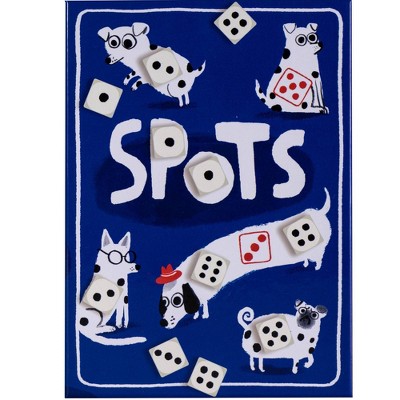
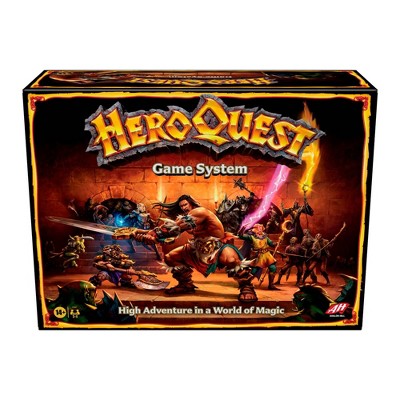
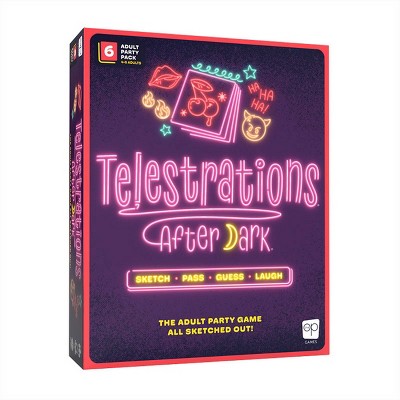
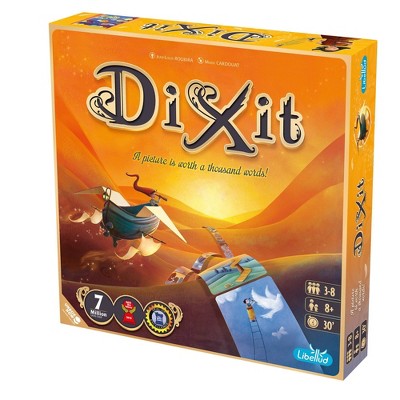
Most titles are labeled for ages 4 years and up; several list 3 years and up and one lists exactly 4 years. That means these games are generally appropriate for 5-year-olds, but always check each product’s specific age label and recommendations before buying.
Player counts vary from solo play up to six players. Many games support 2–4 players or 2–6 players, and at least one title is designed for 1–6 players. Verify the player range on each product page for group-size suitability.
Across the selection they commonly target fine motor skills, recognition of shapes and colors, creative thinking, memory and language skills, social skills (turn-taking and cooperation), and basic math or counting practice. Different titles emphasize different skills, so match the game to the child’s learning needs.
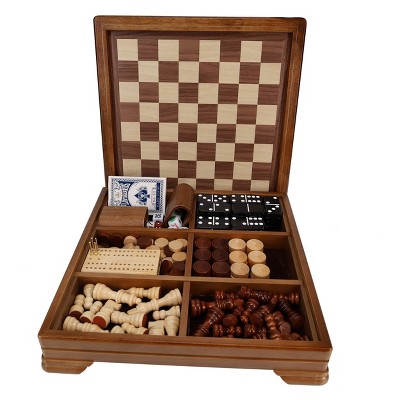
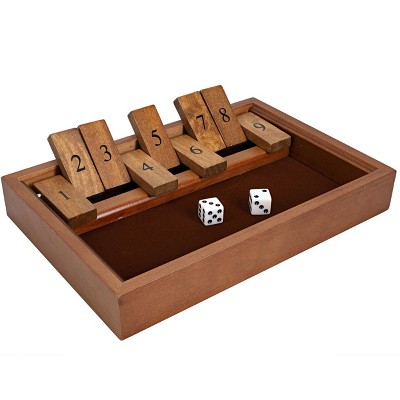
They typically include instructions and printed materials (boards or cards), game pieces or pawns, dice or spinners, stickers or small figures, and sometimes themed items (e.g., plastic sea creatures or novelty pieces). Components vary by title, so check the item description for exact contents.
Some titles require batteries — one specifically lists 2 AAA alkaline batteries (not included) — while many others state that no batteries are required. Always check the product specifications to confirm battery needs before purchase.
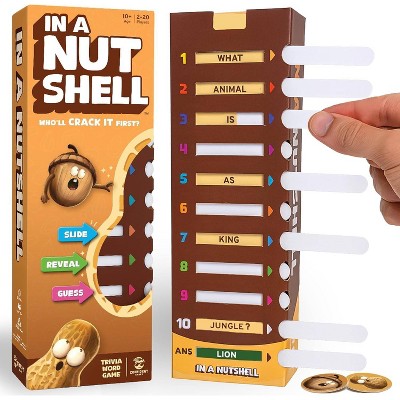
Some games require no reading (for example, color-matching play), while others are designed to help early readers build vocabulary and word recognition through picture-word matching and progressive levels. Check the game description to see whether it includes reading-based activities or is reading-free.