Target New ArrivalsBack to SchoolCollegeClothing, Shoes & AccessoriesHome & DecorKitchen & DiningOutdoor Living & GardenGroceryHousehold EssentialsBabyBeautyPersonal CareSports & OutdoorsHealthWellnessSchool & Office SuppliesToys & GamesElectronics & TechVideo GamesMovies, Music & BooksParty SuppliesGift IdeasGift CardsPetsUlta Beauty at TargetShop by CommunityTarget OpticalDealsClearanceNew ArrivalsBack to SchoolCollegeTop DealsTarget Circle DealsWeekly AdShop Order PickupShop Same Day DeliveryRegistryRedCardTarget CircleFind Stores

miso paste japan

984 results for “miso paste japan”

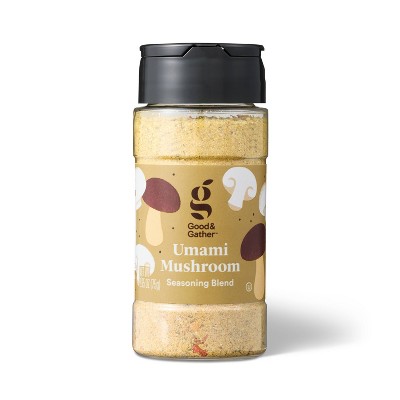
Umami Seasoning Blend - 2.65oz - Good & Gather™

$2.59($0.98/ounce)
Good & GatherOnly at target
4.5(351)
Loved for: versatile seasoning
SNAP EBT eligible

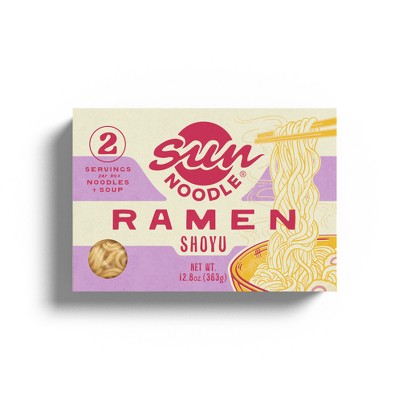
Sun Noodle Shoyu -12.8oz

See price in cart

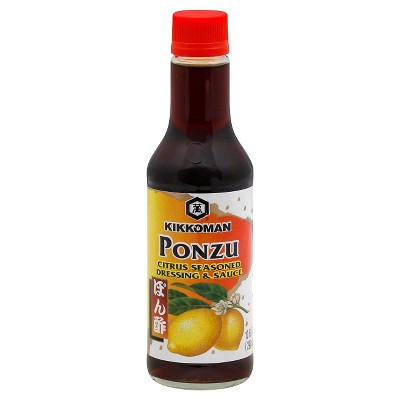
Kikkoman Ponzu Citrus Seasoned Dressing & Sauce 10oz: Keto Certified, Dairy-Free

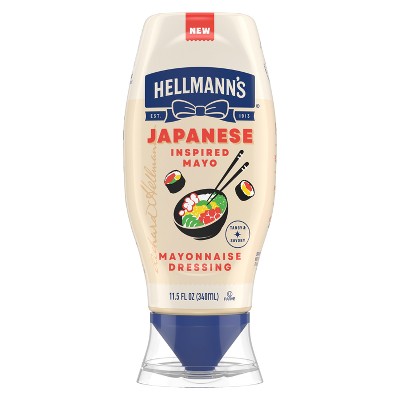
Hellmann's Japanese Style Mayonnaise - 11.5oz

Sponsored

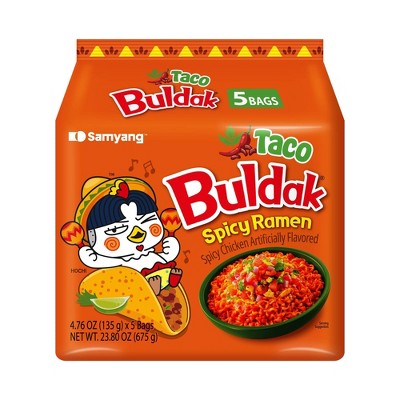
Samyang Buldak Taco Spicy Ramen Noodles - 23.8oz/5ct: Microwavable, Soy Sauce, Garlic

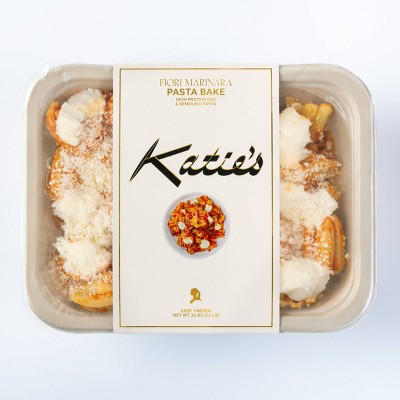
Katie's Fiori Marinara Pasta Bake - 24oz

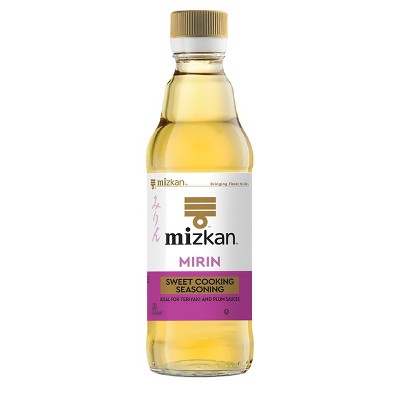
Mizkan Mirin Sweet Cooking Seasoning - 12 fl oz

$1.99
reg $2.99
Sale

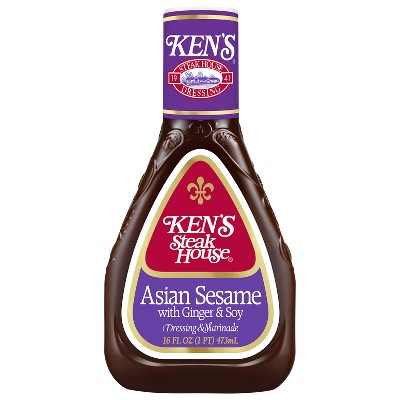
Ken's Steakhouse Asian Sesame with Ginger & Soy Dressing -16fl oz

$3.49($0.22/fluid ounce)
4.5(75)
Loved for: versatile use
SNAP EBT eligible
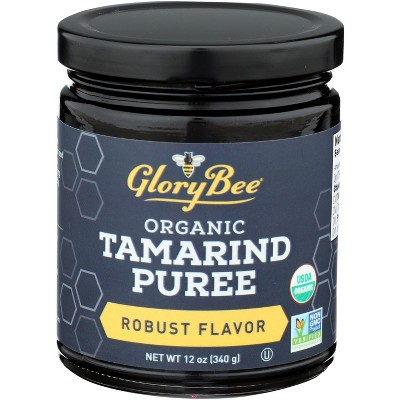
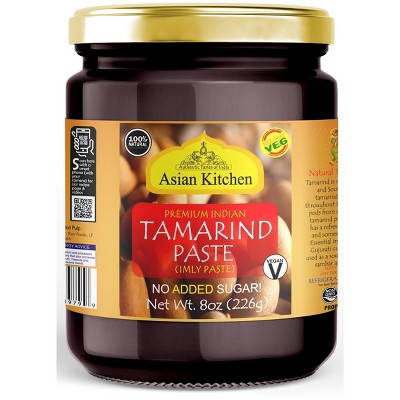
Glorybee Tamarind Paste Organic - 12 oz

Journey Across Japan - by Chris Broad

$34.99 - $42.99
Release date Tue, Oct 27
Shipping dates may vary

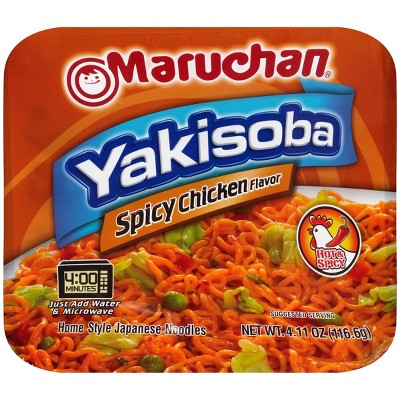
Maruchan Yakisoba Microwavable Spicy Chicken Noodles - 4.11oz

$1.39
4.7(86)
Loved for: spicy flavor
SNAP EBT eligible
Sponsored

Powered by AI

Guests also ask:

White miso typically uses a higher proportion of white rice koji (about 1.5–2× the soy amount) and is aged around three months for a lighter, milder flavor. Red miso uses relatively more soy and less rice and is aged longer (commonly six months or more), producing a darker color and a stronger, deeper flavor.

Miso is produced with koji fermentation. Common styles use rice koji or koji combined with other grains. Some white miso recipes use higher ratios of rice koji, while other varieties incorporate brown rice or toasted barley flour inoculated with koji (as in certain hacho miso).

Miso is made by fermenting soybeans with salt and a starch source such as cultured rice (rice koji). Some varieties use brown rice or toasted barley flour combined with koji as the fermentable starch.

White (Shiro) miso is lighter in color, smoother and milder—often slightly sweeter and perceived as less salty in listings. Red (Aka) miso is aged longer, darker, and has a stronger, deeper flavor.

Miso is ready to use but is best added toward the end of cooking or stirred into long‑simmered dishes rather than boiled, to preserve flavor (and any live cultures). Some packages include brief preparation directions or suggest thinning miso with sake for marinades.

Resealable bags and stand‑up pouches are common and convenient for repeated use, helping keep miso fresh between uses and simplifying storage.

Get top deals, latest trends, and more.