neurodiversity in the classroom
380 results for “neurodiversity in the classroom”
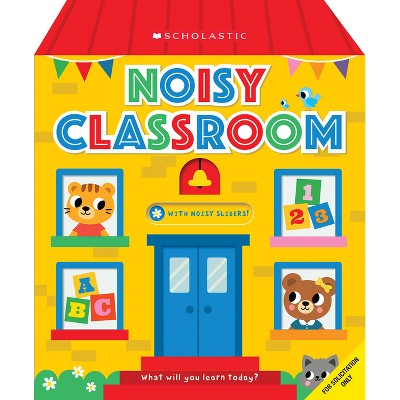
$14.99
Release date Tue, Apr 6
Ships free -




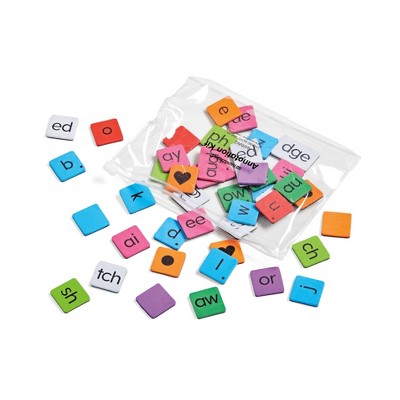

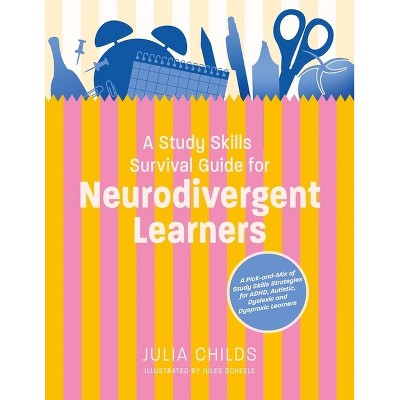
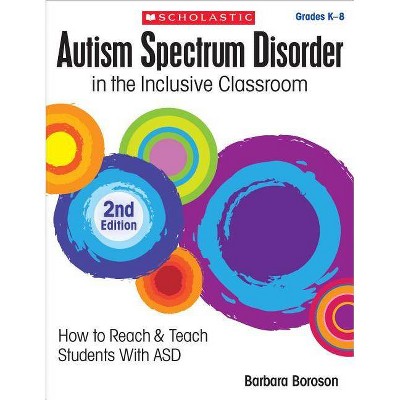

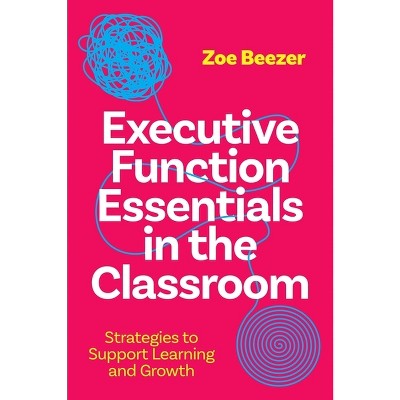

Sponsored
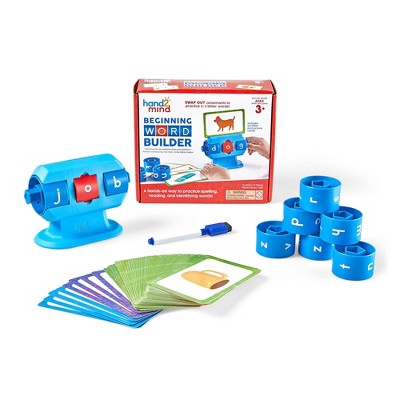
$50.00
Release date Sun, Dec 6
Ships free -




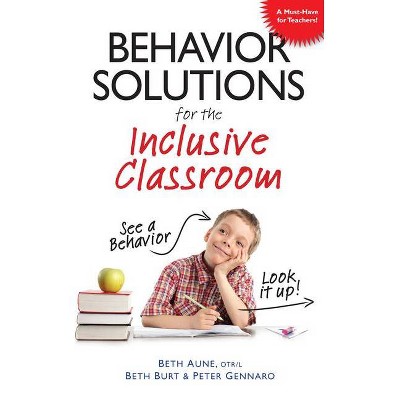
$8.31
MSRP $14.95
Future Horizons

Sponsored
Powered by AI
Guests also ask:
Related searches
- goosebumps the horror at camp jellyjam
- goosebumps camp jellyjam
- goethe poetry in german
- dragons are the worst
- numerology tarot cards
- gospel centered marriage
- alcatraz vs the evil librarians
- hmong language
- goosebumps a haunted halloween
- pete the cat groovy buttons
- the socialist
- the art of explanation
- weird school
- goosebumps horrorland the wizard of ooze
- decolonizing museums
- pete the cat thanksgiving
- goosebumps beware the snowman
- dont worry little crab
- interesting stories for curious people
- goosebumps you can t scare me