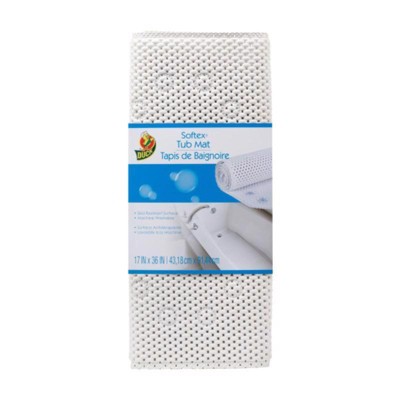
Sizes vary by product. Reported lengths run from about 14.0 inches up to 41.3 inches, with widths roughly from 13.97 inches to 22.2 inches depending on the item.
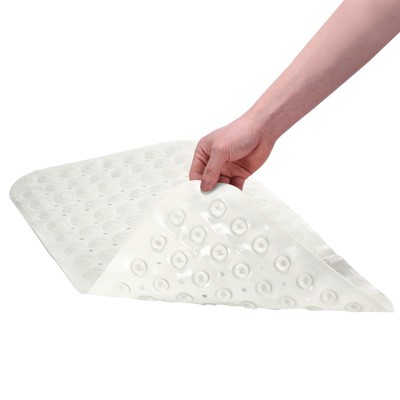
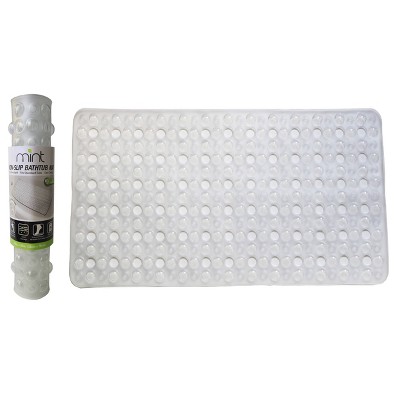
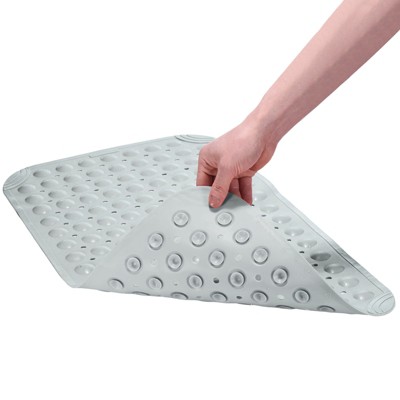
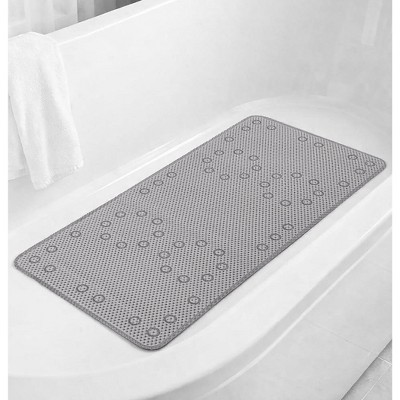
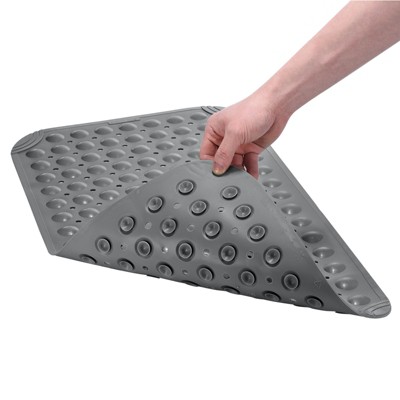
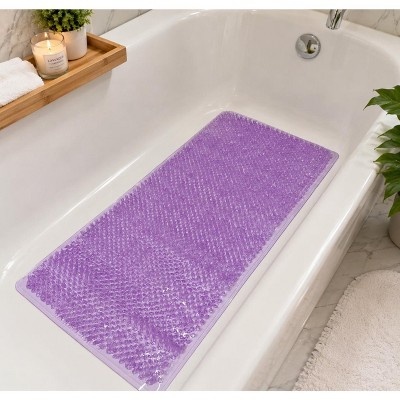
Mats use a few common grip methods: suction cups, non-skid or latex backings, or molded no-backing surfaces that rely on textured contact. Some cushioned mats specifically list suction cups as their primary attachment.
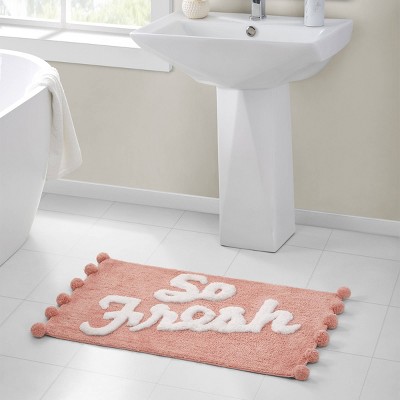
Care depends on the material: many plastic or rubber mats are spot- or wipe-clean only and can be line-dried, while fabric or cushioned items often allow hand washing or machine washing and can be line- or tumble-dried according to the product instructions.
These mats are designed for smooth bath and shower surfaces. Several product notes warn they are not recommended for textured or uneven tubs, where suction and grip may be unreliable.
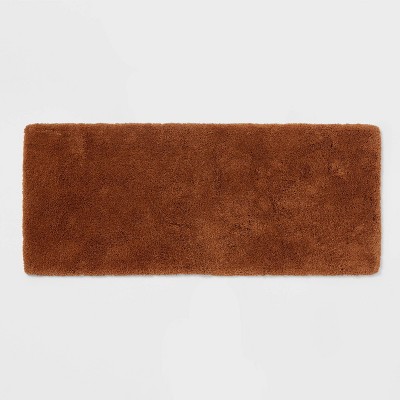
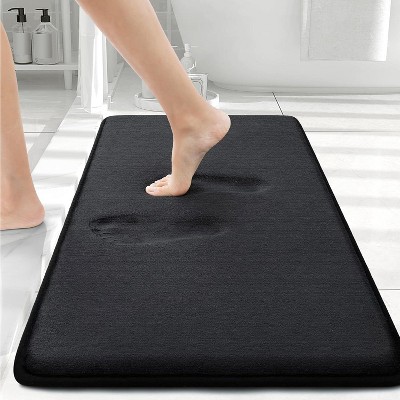
Common materials include plastics and rubbers (PVC/polyvinyl chloride, vinyl, TPR/thermoplastic rubber), textiles (polyester, microfiber), and foams or neoprene used in kneeler pad backing and cushioning.
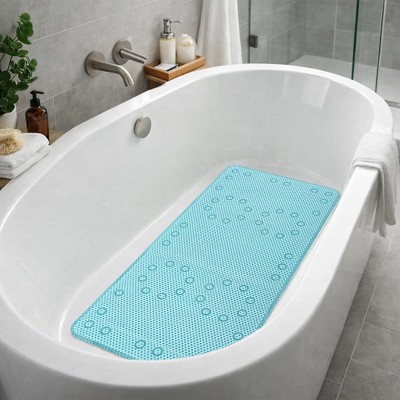
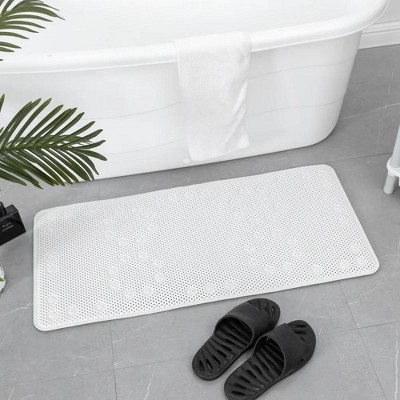
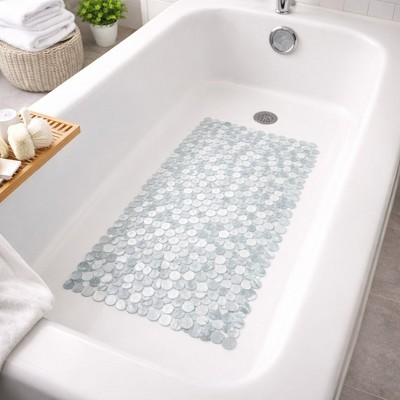
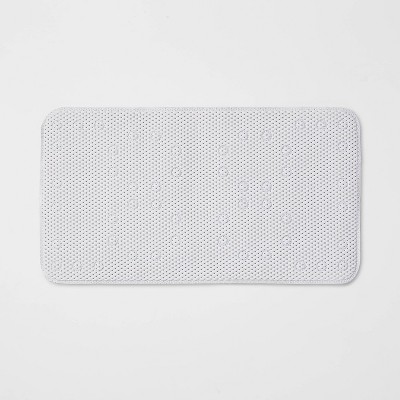
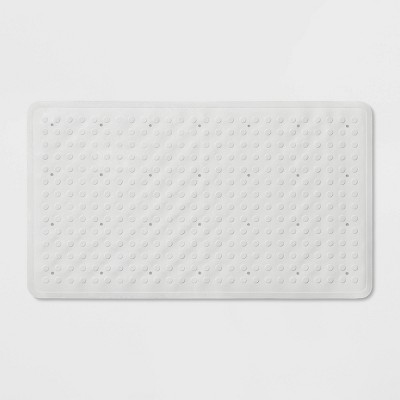
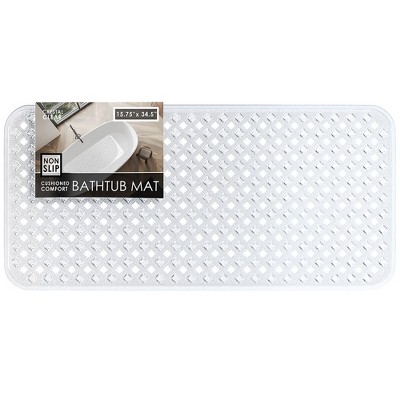
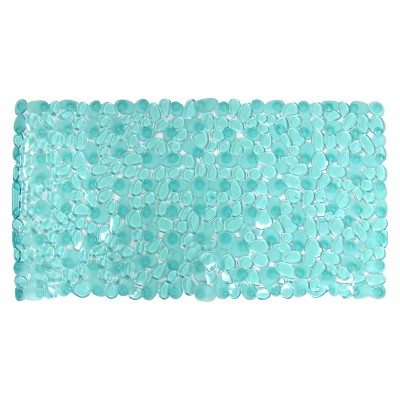
Many mats include perforations or drain holes plus raised or woven/embossed surfaces and textured patterns that allow water to flow away and drain quickly.
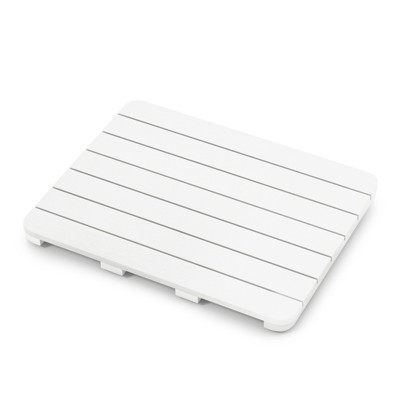
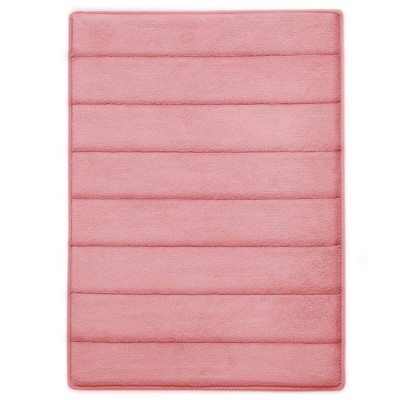
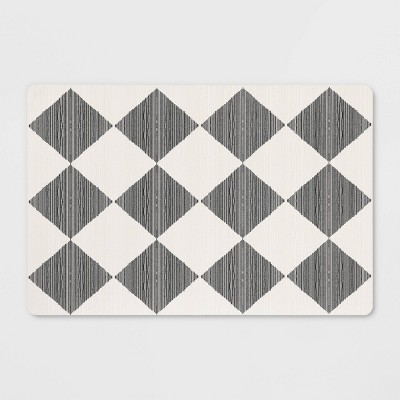
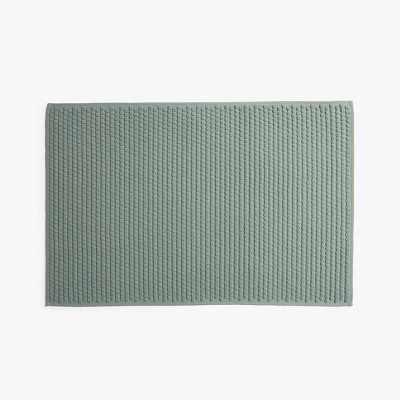
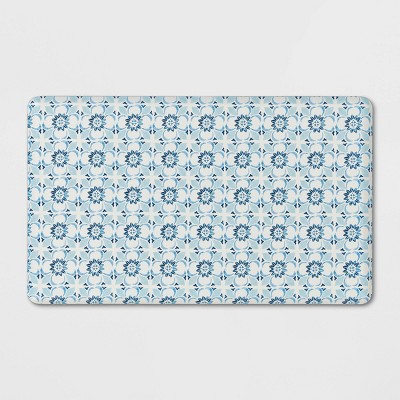
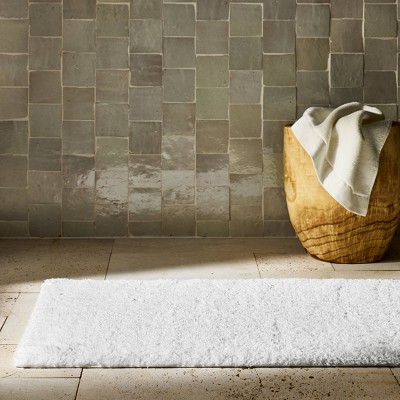
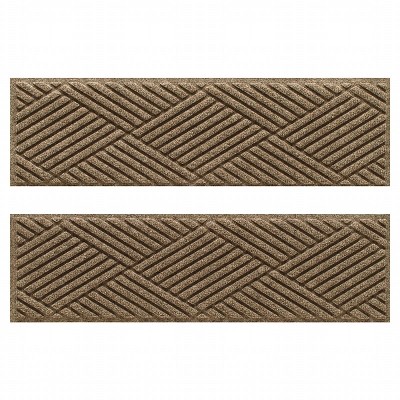
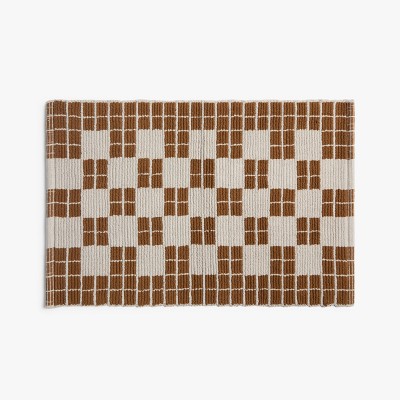
Most no-slip tub mats are rectangular. Surface styles include pebble or smooth pebble textures, embossed or woven patterns, pressed/molded textures, perforated designs, and fabric rug-style (jacquard) surfaces.
Cushioned mats use different grip approaches: some kneeler-style pads have a few large suction cups (commonly four), others use many small suction cups (one listing cites over 150), and some bath rugs rely on non-skid latex backing instead of suction.