Target New ArrivalsBack to SchoolCollegeClothing, Shoes & AccessoriesHome & DecorKitchen & DiningOutdoor Living & GardenGroceryHousehold EssentialsBabyBeautyPersonal CareSports & OutdoorsHealthWellnessSchool & Office SuppliesToys & GamesElectronics & TechVideo GamesMovies, Music & BooksParty SuppliesGift IdeasGift CardsPetsUlta Beauty at TargetShop by CommunityTarget OpticalDealsClearanceNew ArrivalsBack to SchoolCollegeTop DealsTarget Circle DealsWeekly AdShop Order PickupShop Same Day DeliveryRegistryRedCardTarget CircleFind Stores

plant light bulb

354 results for “plant light bulb”

Sponsored

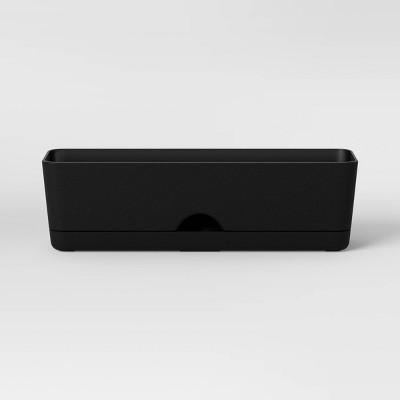
Recycled Resin Indoor Outdoor Planter Pots - Room Essentials™

Sponsored

Powered by AI

Guests also ask:

Many plant light bulbs are described as full‑spectrum or a balanced red‑blue spectrum. Some listings specify blue and red peaks—for example, about 455 nm (blue) and 645 nm (red).

Listed PPF values vary by model. Examples in the data include about 72 µmol/s and 67 µmol/s, with lower outputs shown around 52.54 µmol/s and 28.22 µmol/s (PPF = micromoles per second).

Typical power use is in the low tens of watts. Examples from the listings include roughly 33 W and 40 W.

Common base types shown include standard E26 (medium screw), candelabra E12, and some fixtures with non‑removable integrated bulbs.

Placement examples recommend hanging bulbs about 6–12 inches above plants. Suggested daily runtimes in the listings are roughly 12–18 hours, varying by growth stage.

Some grow bulbs appear as a pleasing white or full‑spectrum light to the eye, while other listings specify color temperatures such as 5000K or 2700K.

Screw‑in grow bulbs are designed to fit standard E26 sockets so they can be used in desk lamps, clamp lights, pendant fixtures or grow light housings; some setups also allow connecting multiple fixtures.

Get top deals, latest trends, and more.