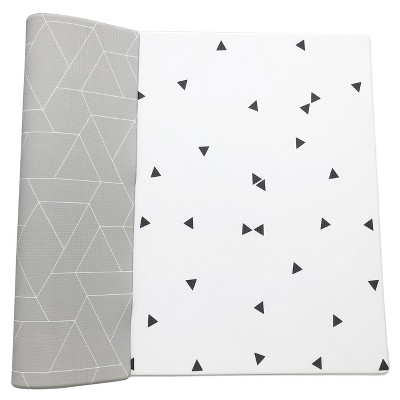
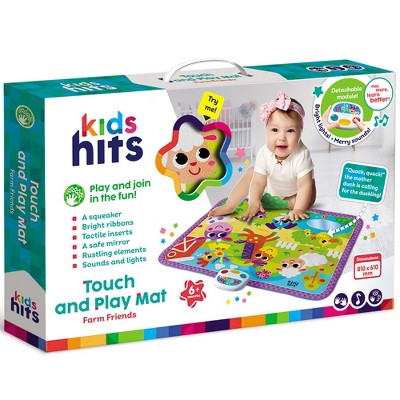
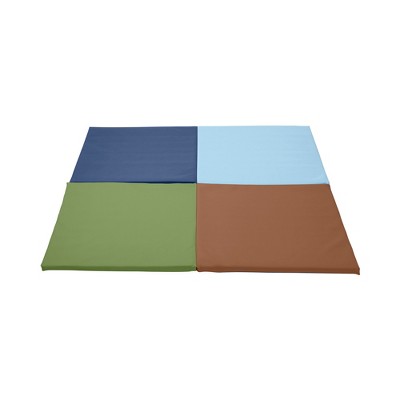
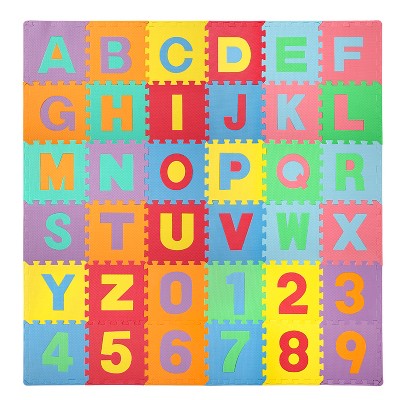
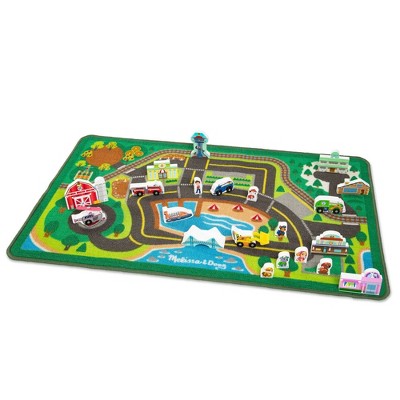
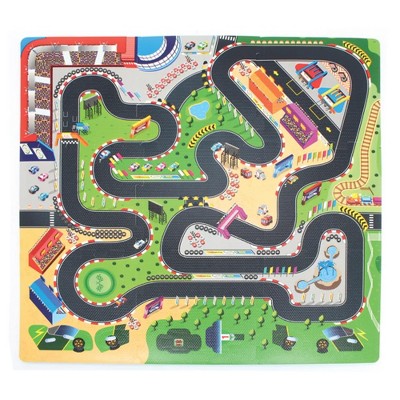
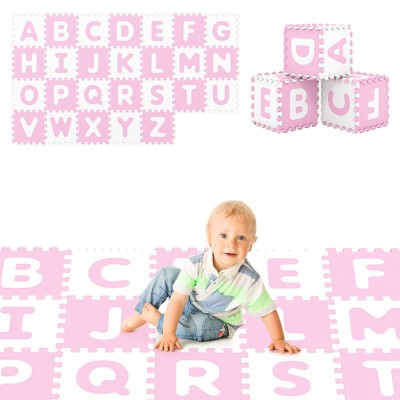
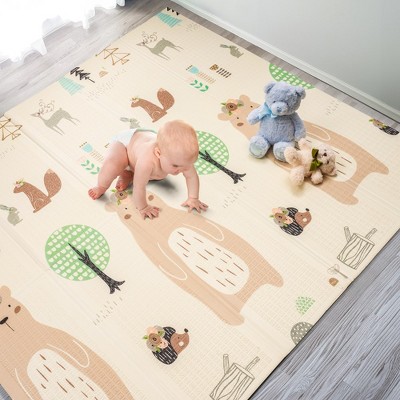
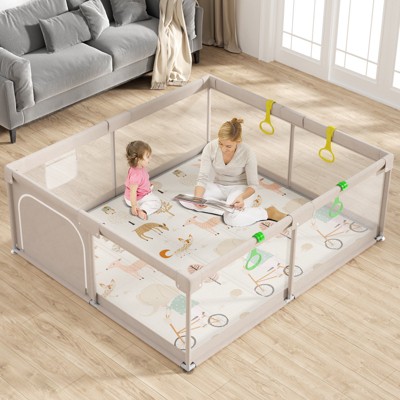
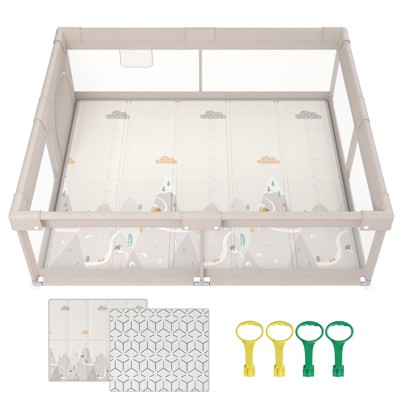
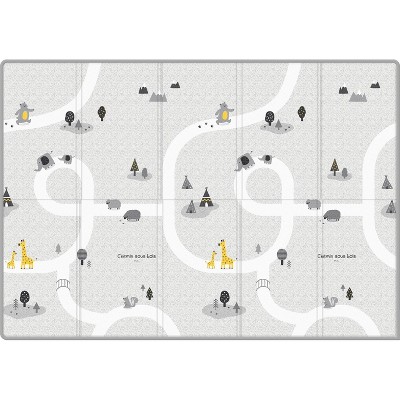
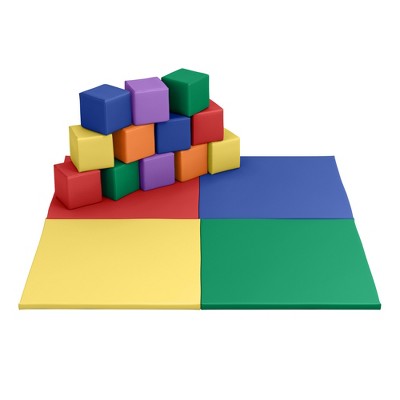
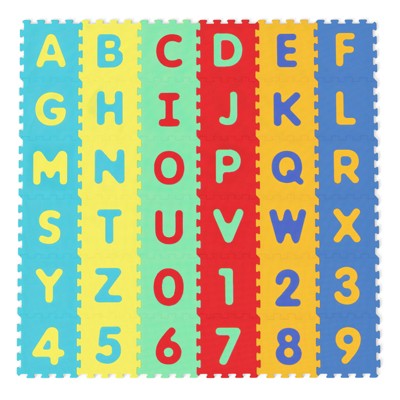
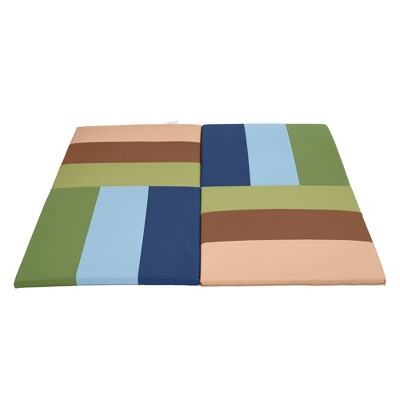
Playmat sizes vary widely. Small foam tiles are often about 17–17.5 inches per tile and can assemble into roughly 51 × 51 inches. Midsize mats commonly measure around 47–58 inches square. Some novelty or runner-style mats are much longer (for example, about 31 × 69 inches).
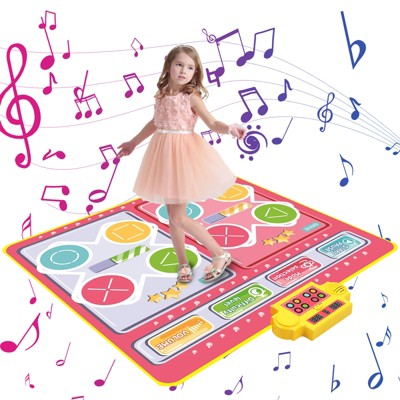
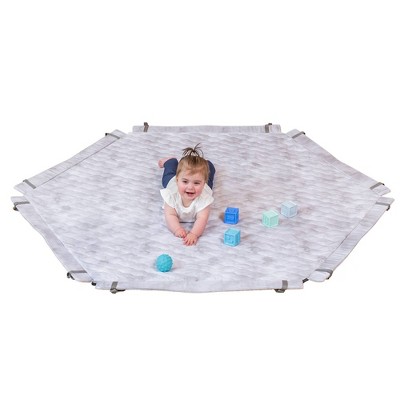
Many playmats are labeled for newborns (0 months) up through about 36 months, while other mats are marketed as suitable for all ages or specifically for older children (for example, 3 years and up).
Cleaning methods vary by material: foam and EVA mats are usually wiped or spot-cleaned with a damp, non-abrasive cloth; many activity playmats and removable covers are machine washable; and some care instructions advise against soaking or submerging the mat. Always follow the manufacturer’s care label for best results.
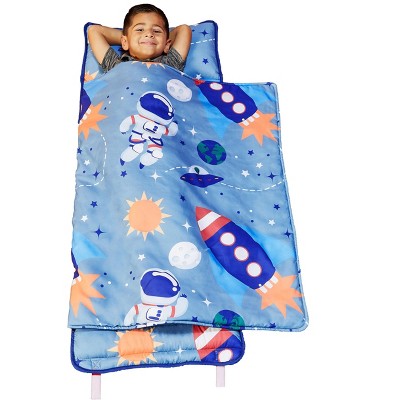
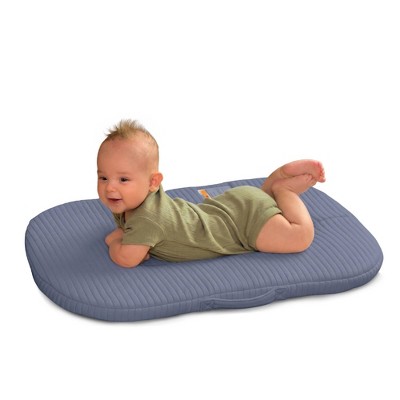
Many playmats are designed for portability: they fold or roll for travel, and some include handles, a carry bag, or a fold-into-storage design. A few mats also have collapsible toy bars or compact folds for easy room-to-room use.
Cushioning varies by product: some foam tiles are extra-thick for more padding, while others offer under about half an inch of padding. For example, certain modular tiles specify roughly 0.47 inches of cushioned surface—check product specs to confirm thickness and impact absorption.
Many playmats are tested against common child-safety standards; product listings often reference certifications or compliance with standards such as ASTM, CPSIA, and EN71. Check the product details for specific test results and certifications.
Modular foam tiles and multi-set tile packs can be connected to enlarge the play area. Many listings note you can purchase and link additional sets or tiles to build a larger, custom play surface.