Target New ArrivalsBack to SchoolCollegeHalloweenClothing, Shoes & AccessoriesHome & DecorKitchen & DiningOutdoor Living & GardenGroceryHousehold EssentialsBabyBeautyPersonal CareSports & OutdoorsPetsHealthWellnessSchool & Office SuppliesToys & GamesElectronics & TechVideo GamesMovies, Music & BooksParty SuppliesGift IdeasGift CardsShop by CommunityTarget OpticalDealsClearanceNew ArrivalsBack to SchoolCollegeTop DealsTarget Circle DealsWeekly AdShop Order PickupShop Same Day DeliveryRegistryRedCardTarget CircleFind Stores

shower drying mat

1,000+ results for “shower drying mat”
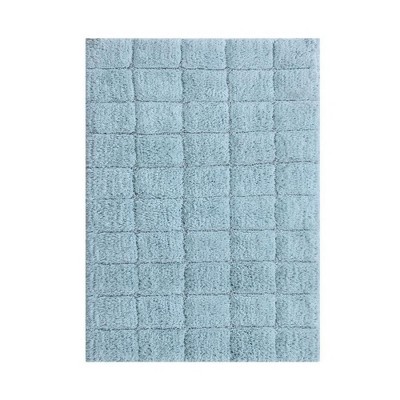
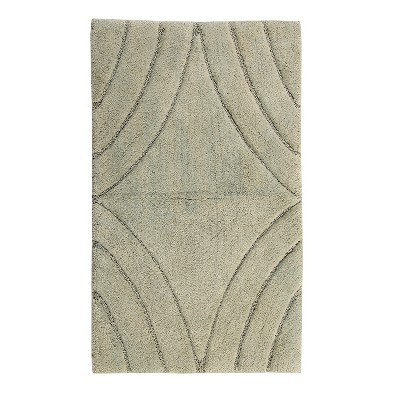
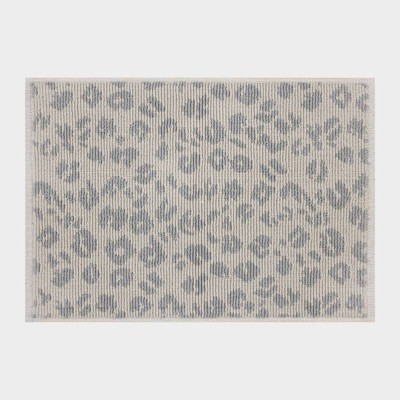
Knightsbridge Orbit Bath Rug Cotton Non Skid Back, Silver

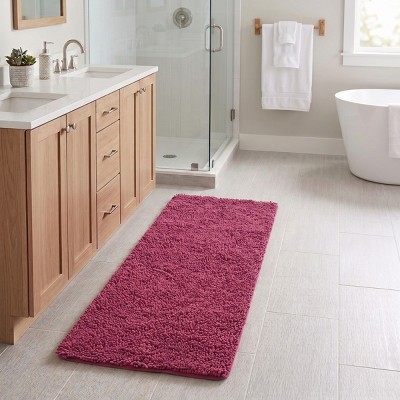
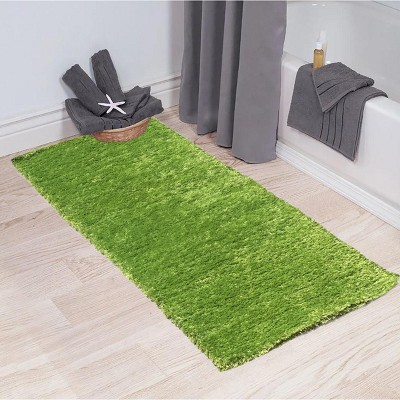
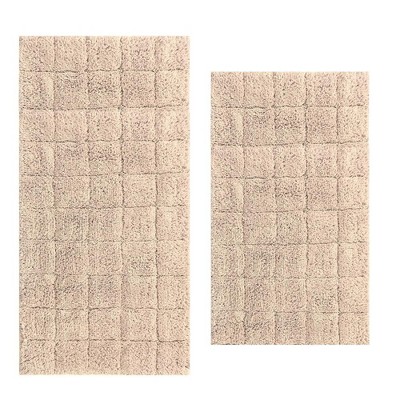
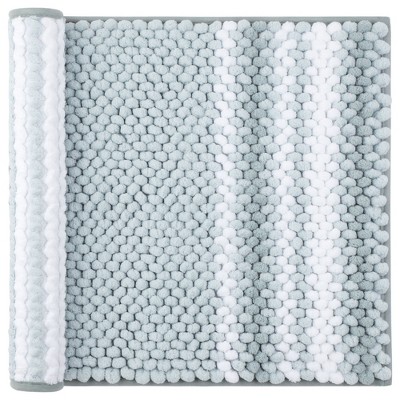
REGALWOVEN Ultra Soft Absorbent Shaggy Non-Slip Microfiber Printed Bathroom Rug

Sponsored

Sponsored

Powered by AI

Guests also ask:

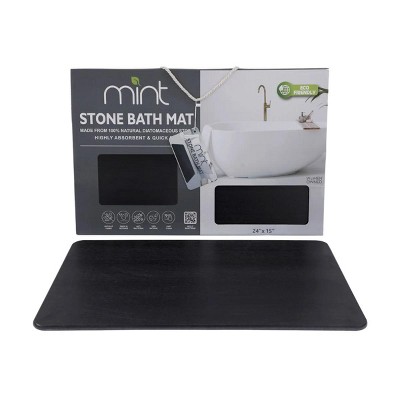
Shower drying mats and bath mats are made from a few common material groups: fabric (typically cotton or cotton-blends), molded plastics/rubber (PVC, TPR or similar), and hard mineral tiles (e.g., diatomaceous earth). Fabric mats are soft and absorbent, plastic/rubber mats are durable and water-resistant, and diatomaceous tiles are hard, highly absorbent, and air-dry quickly.

Cleaning depends on the material: machine-washable fabric mats (cotton or blends) can be laundered and line-dried; plastic or rubber mats (PVC/TPR) are typically wiped or rinsed clean and air-dried; diatomaceous earth tiles are cleaned by wiping with a damp cloth and can be lightly sanded or rubbed to refresh the surface if needed. Always follow the manufacturer’s care instructions.

Yes — some shower drying mats use modular, interlocking tiles that let you connect multiple pieces to cover a larger or customized area. These tile systems typically snap together and create a single mat surface, making it easy to size the mat to your shower or bathroom floor without cutting or trimming.

Some fabric bath mats list OEKO‑TEX Standard 100 certification, which indicates the textiles were tested for harmful substances. Not all mats carry certifications, so check product details or labels for OEKO‑TEX or similar textile safety marks if that’s important to you.

Common anti-slip features include textured or strong-grip backings, suction cups on the underside, and interlocking designs for modular tiles. These features help the mat adhere to hard, wet surfaces; for best performance, install on a clean, flat surface and follow any manufacturer prep instructions.

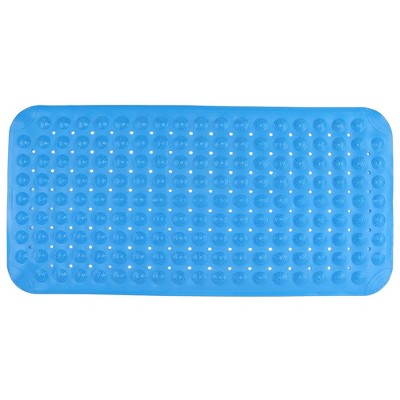
Features that reduce pooling include perforations or hole patterns that allow water to drain through, textured or pebble surfaces that channel water away, and highly absorbent hard tiles (like diatomaceous earth) that soak up water and air-dry quickly. Choosing the right feature depends on whether you prefer drainage (holes/textures) or absorption (tiles/fabric).

Reviewers commonly report strong non-slip performance overall, praising secure grips and textured backings. A frequent caveat is that suction cups can be inconsistent and may stick better when surfaces are slightly damp. On cleaning, reviewers often note that mats are easy to wipe or lift to dry; fabric options are valued for being machine washable, and hard tiles are noted as simple to wipe clean.

Get top deals, latest trends, and more.