shower stall mats
269 results for “shower stall mats”
$16.99 - $19.99
Lower price on select items








Recommendations for you
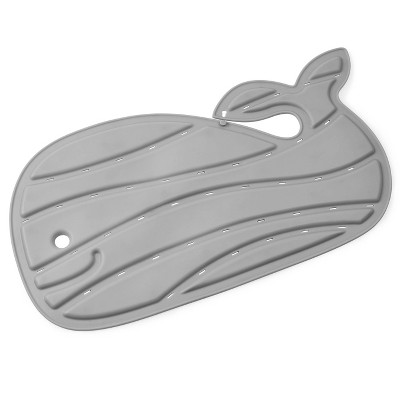
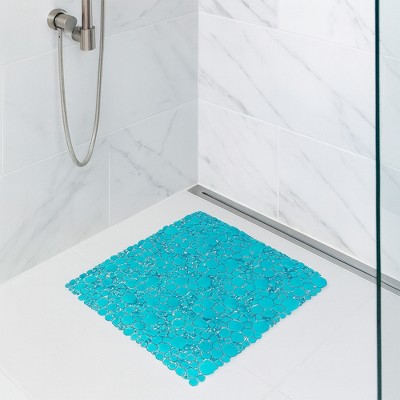
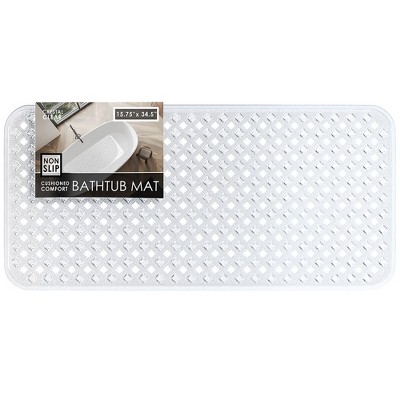
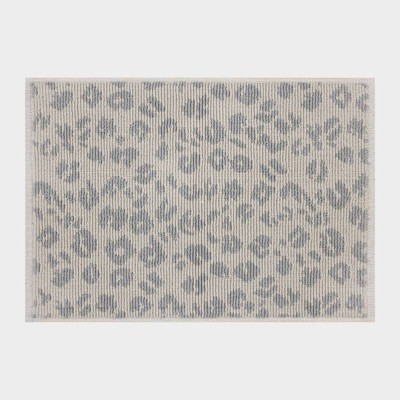
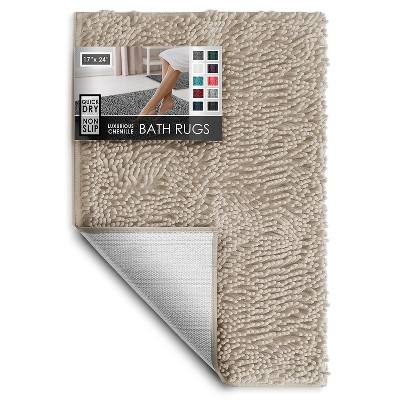
- $19.77 - $24.99reg $25.99 Sale5 out of 5 stars with 1 ratings
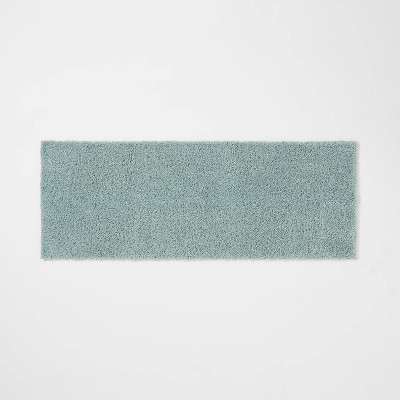
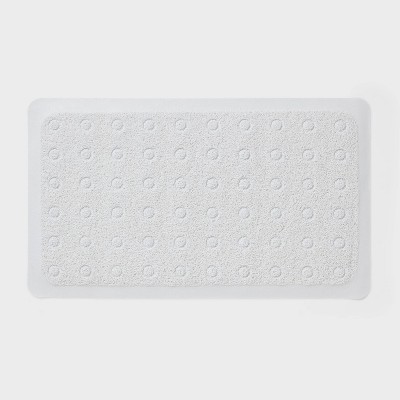
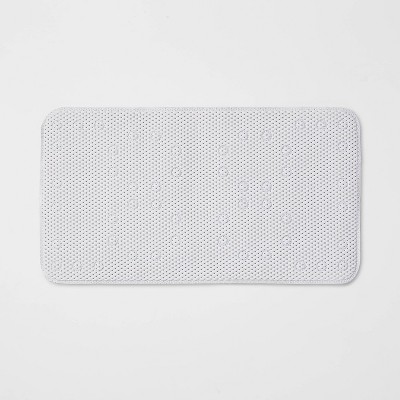
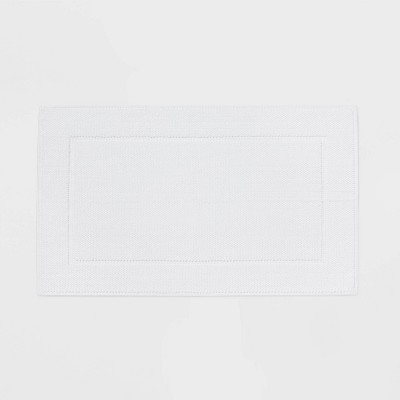
- $10.79was $14.19 New lower price3.4 out of 5 stars with 1255 ratings
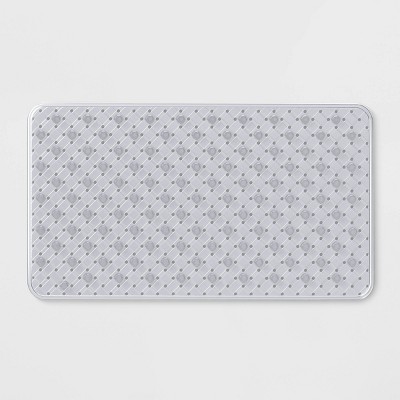
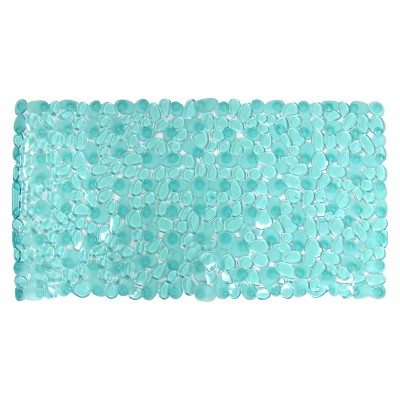
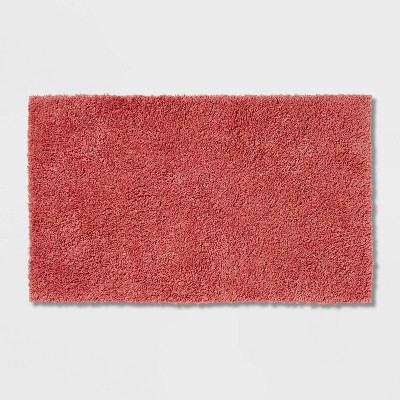
- $8.50 - $10.00Select items on clearance3.9 out of 5 stars with 1760 ratings
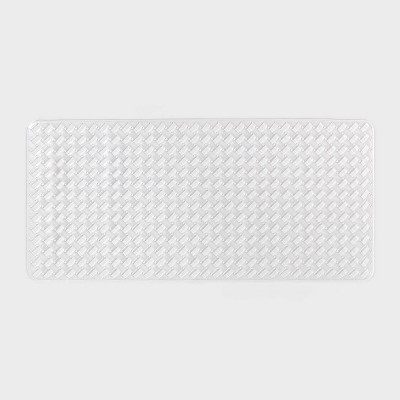
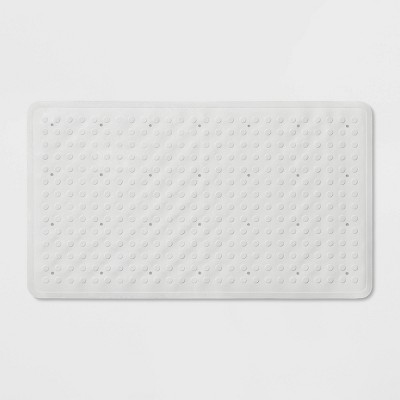
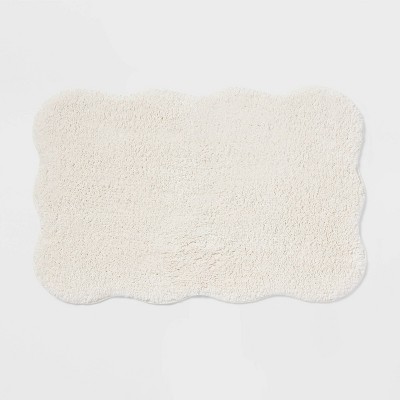
- $27.99 - $35.99reg $32.99 - $43.99 Sale3.7 out of 5 stars with 6 ratings
- $19.99 - $32.99reg $25.99 - $41.99 Sale3.8 out of 5 stars with 89 ratings
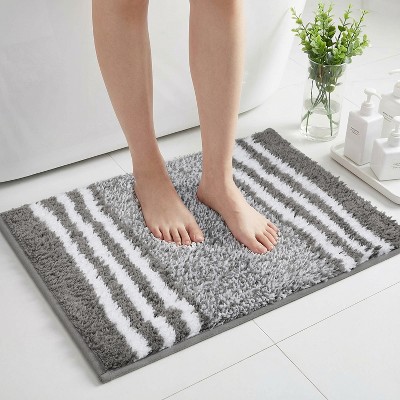
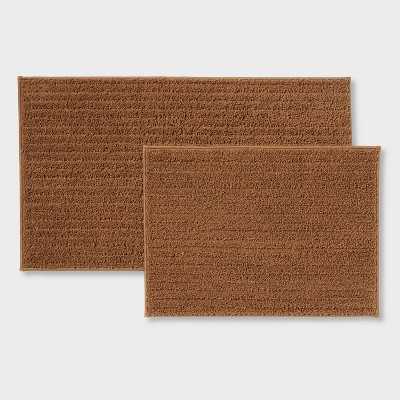

Sponsored
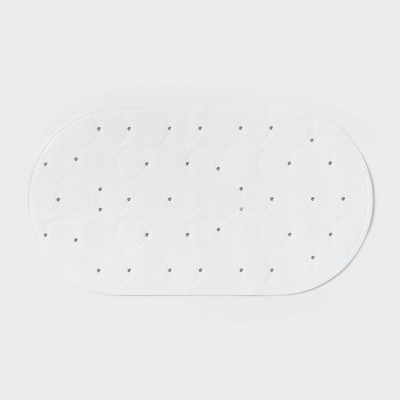
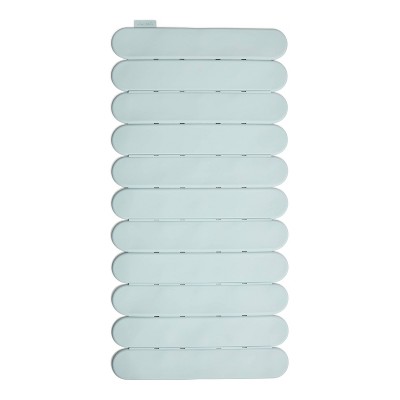
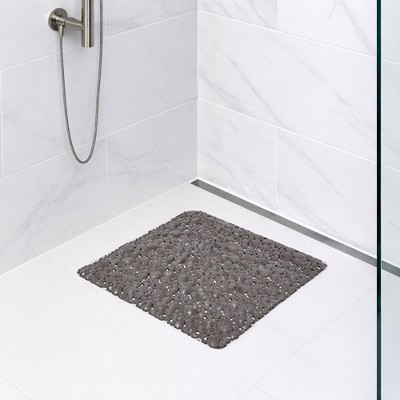
$19.77 - $24.99
reg $25.99
Sale


 + 5
+ 5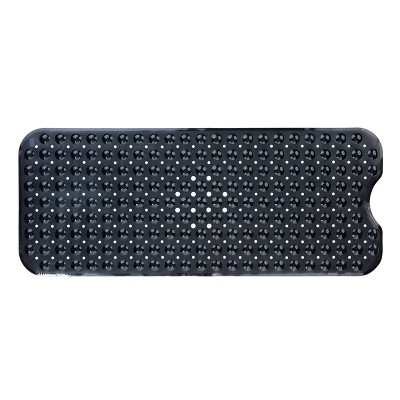
See price in cart
Lower price on select items


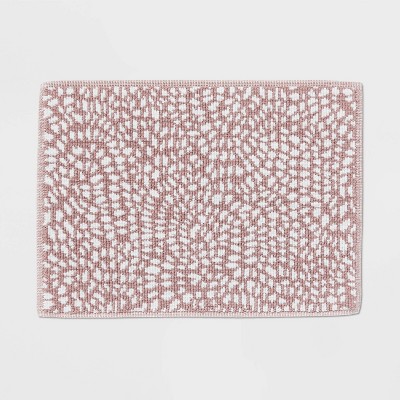


Related deals
- $104.99 - $229.99reg $167.98 - $319.98 Sale
- $19.49reg $19.69 - $25.99 Sale3.3 out of 5 stars with 3 ratings
- $31.29 - $36.29reg $41.79 - $48.39 Sale3.7 out of 5 stars with 3 ratings
- $22.09 - $95.99reg $26.29 - $96.99 Sale2.6 out of 5 stars with 16 ratings
- $39.99 - $49.99reg $53.39 - $66.69 Sale
- $32.19 - $36.80reg $40.89 - $42.99 Sale
- $38.99 - $39.49reg $51.99 - $52.69 Sale5 out of 5 stars with 1 ratings
- $16.19 - $19.49reg $19.69 - $28.49 Sale1 out of 5 stars with 1 ratings

Sponsored
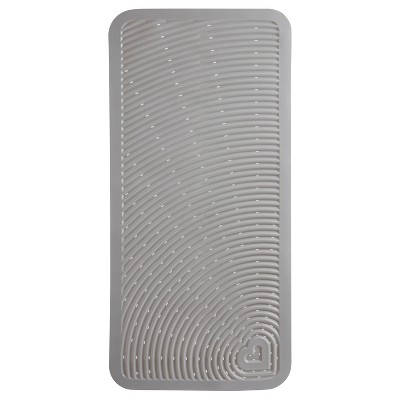
$10.79
was $14.19
New lower price
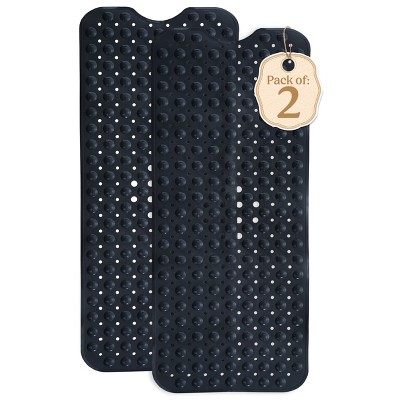
$13.99 - $24.99
reg $31.99 - $55.99
Sale


 + 6
+ 6


$9.35
reg $11.00
Clearance


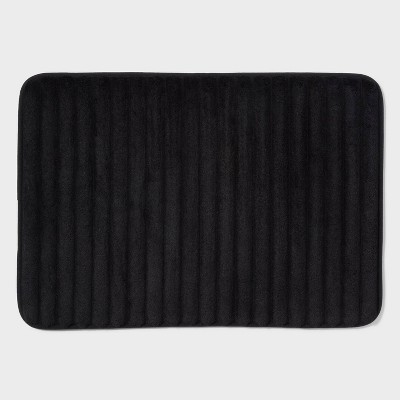
$7.70 - $9.35
reg $11.00
Clearance


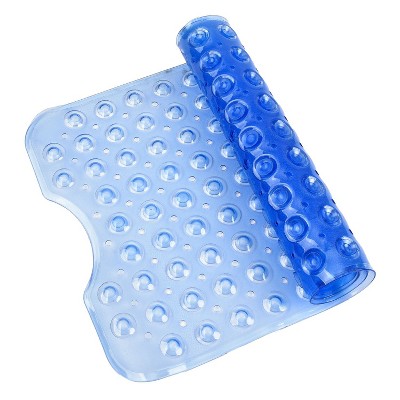


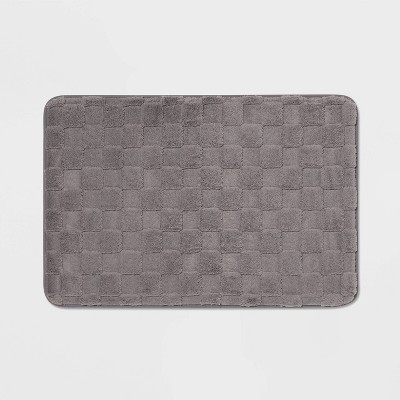


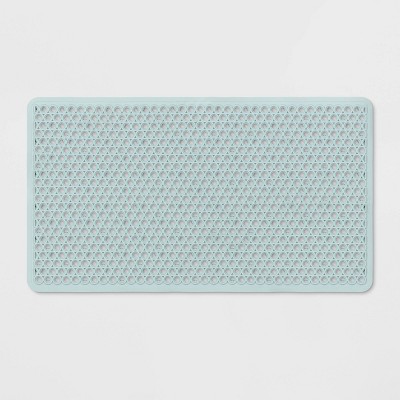
Sponsored
Powered by AI
Guests also ask:
Trending now
- $8.50 - $10.00Select items on clearance3.9 out of 5 stars with 1760 ratings
- $10.79was $14.19 New lower price3.4 out of 5 stars with 1255 ratings
- $104.99 - $229.99reg $167.98 - $319.98 Sale
- $19.49reg $19.69 - $25.99 Sale3.3 out of 5 stars with 3 ratings
- $12.99 - $14.99Lower price on select items3.3 out of 5 stars with 34 ratings