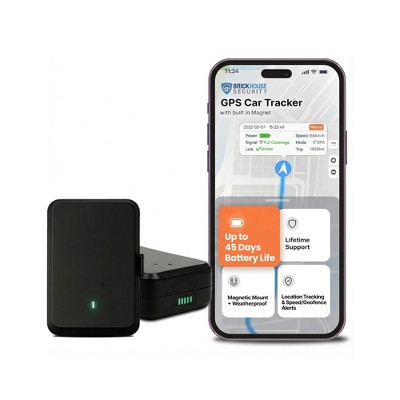
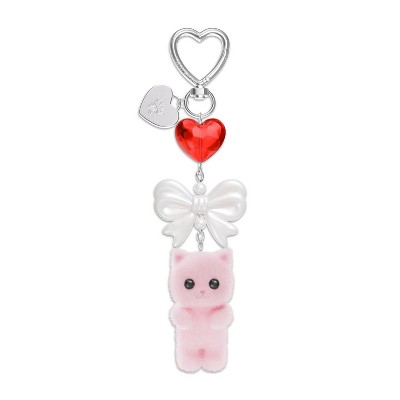
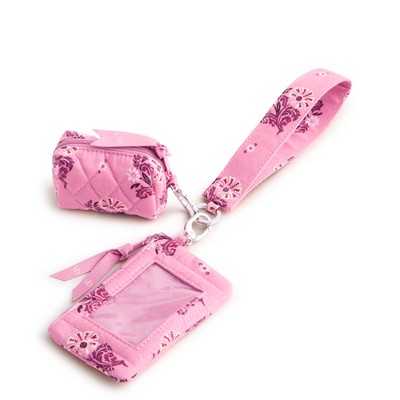
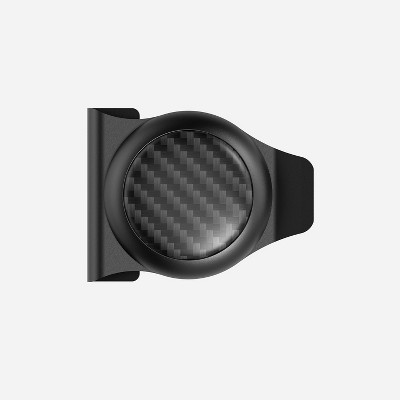
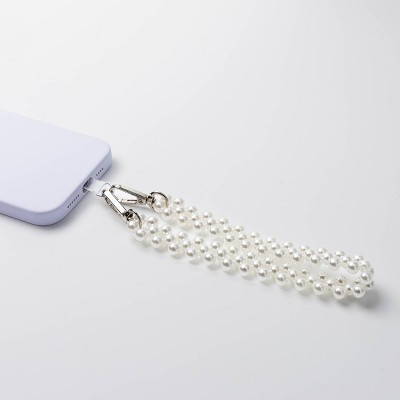
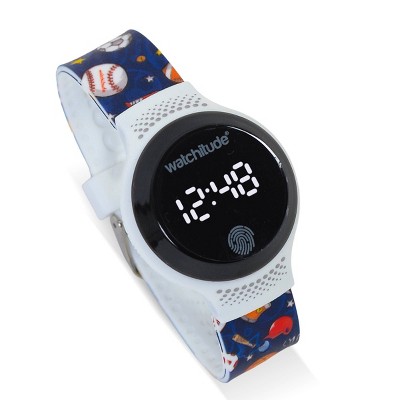
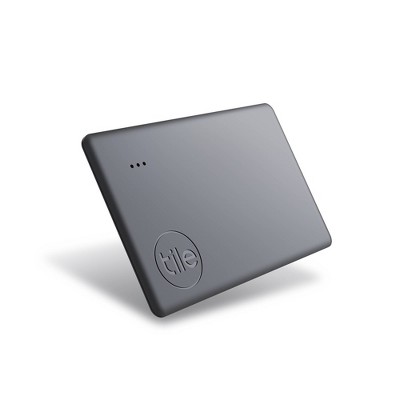
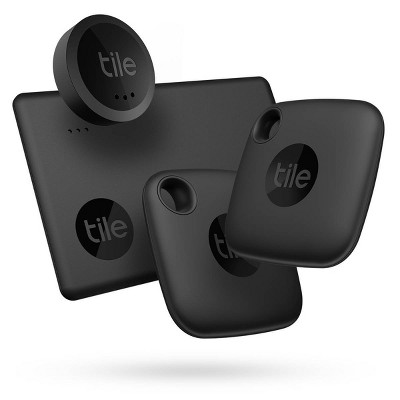
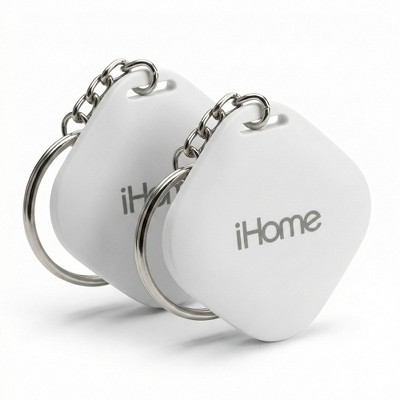
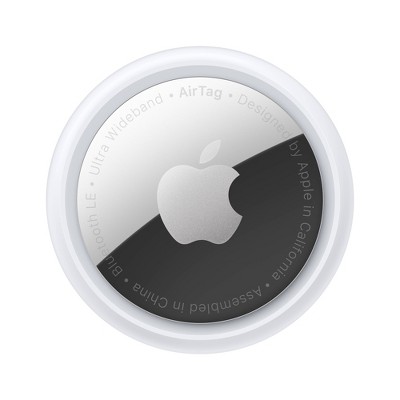
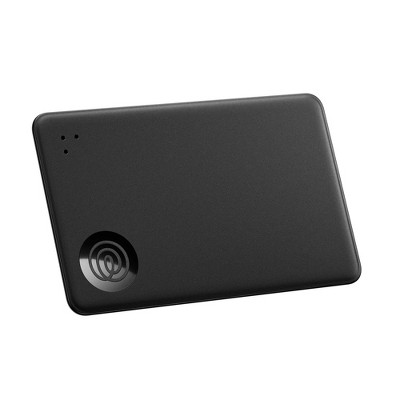
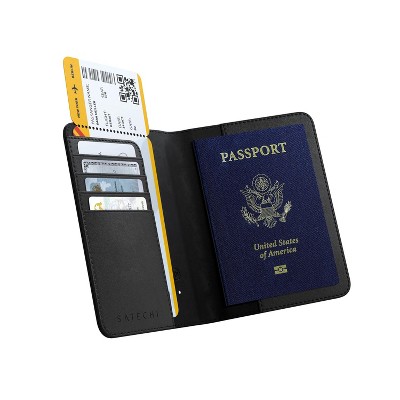
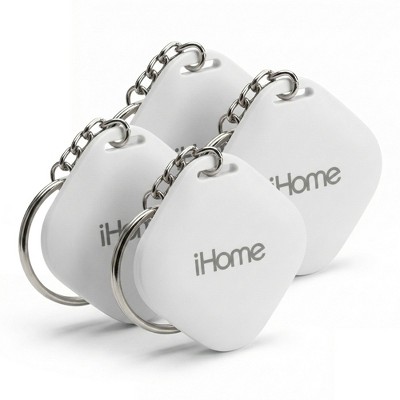
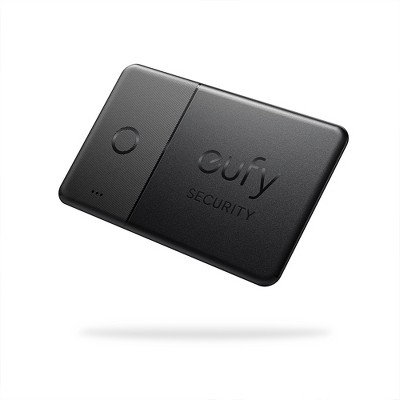
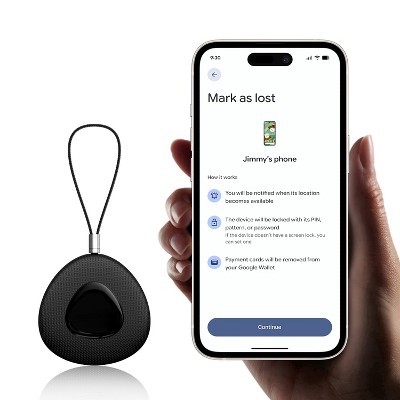
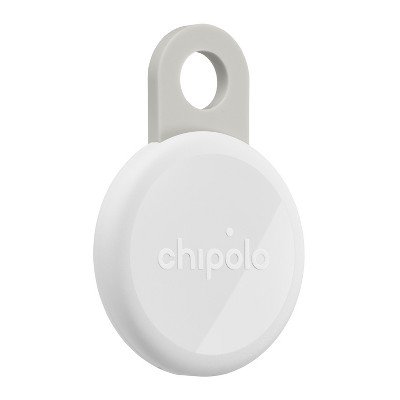
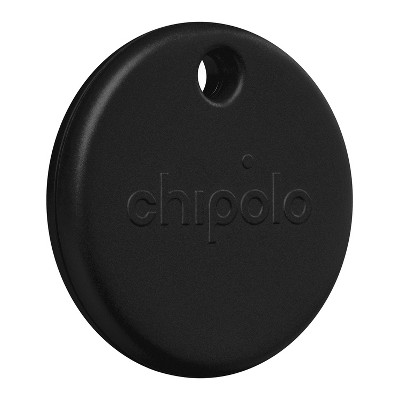
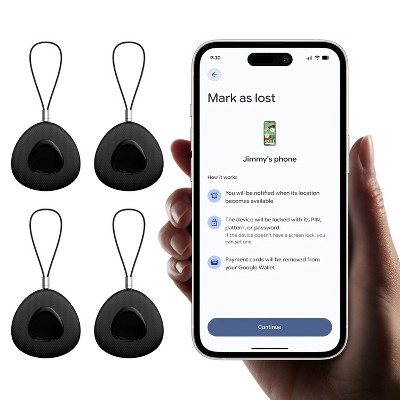
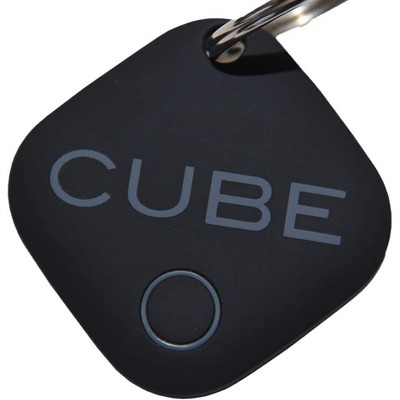
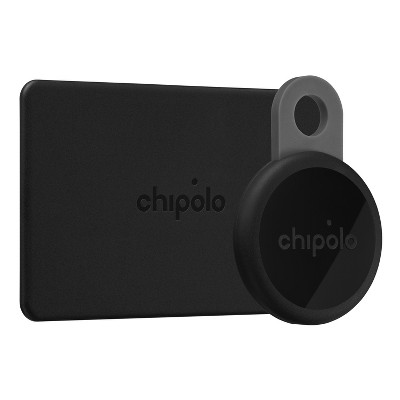
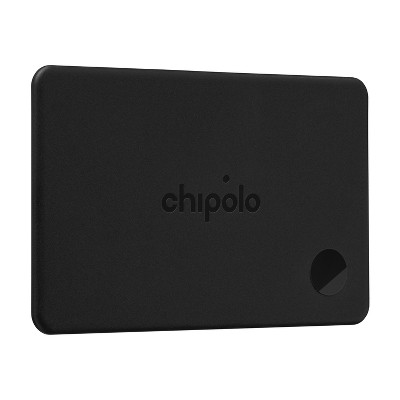
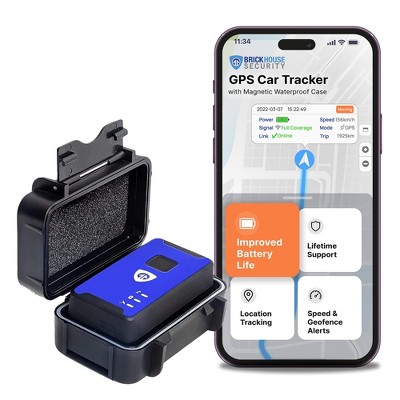
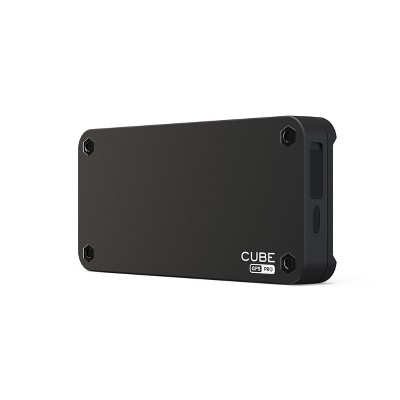
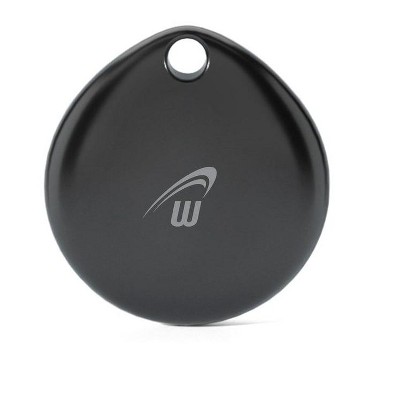
Smart tags come in several common form factors: luggage‑tag styles with straps and name‑card slots, compact keychain units with metal rings, and small disc‑ or palm‑sized trackers that slip into pockets or attach to bags and keys. Manufacturers provide different attachment options (straps, rings, adhesive mounts) depending on the model.
Durability claims vary by model. Some smart tags list IP66 for water and dust resistance, others specify IP67, and several use general “water‑resistant” wording aimed at travel use. Because ratings and wording differ, check the listed IP rating or manufacturer details for water, dust, and impact protection before purchasing.
Smart tags typically alert you by playing a sound or chime and by sending notifications via a companion app. Location is shown in the app with map locations or step‑by‑step directions. When an item is out of direct range, some tags use a location network that leverages nearby devices to report the item’s last seen location.
Many smart tags include built‑in speakers that play rings or chimes to help you locate items. Loudness varies by model—some listings specify speakers around 80–90 dB, others simply describe a louder or enhanced ring compared with earlier models—so check product specs if speaker volume is important to you.
Most smart tags emphasize quick, simple setup and everyday ease of use. Typical features include fast Bluetooth pairing, app‑based setup (often a one‑tap or single‑step pairing flow), and intuitive companion apps for locating items and managing settings.
Smart tags are sold both as single units and in multi‑packs. Listings commonly include single‑piece packages as well as multi‑packs (for example, 4‑pack options), so you can choose the quantity that fits your needs.