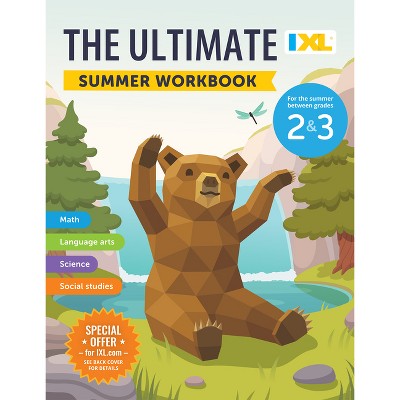
Resources typically include hands-on projects and student presentations, end-of-section multiple-choice quizzes, step-by-step project instructions, and cumulative review tools such as a world geography game.
Teacher-facing materials describe and provide examples of primary documents and artifacts, include chapter-level discussion questions, and offer pedagogical strategies for close reading and responding. They also suggest interactive techniques, modifications for diverse learners, and connections to assessment and classroom technology.
They build geographic and historical knowledge, strengthen research skills using print and online sources, and develop students’ ability to express learning visually, orally, and in writing through projects and presentations.
Geography resources include modernized maps and refreshed data to highlight continents and natural features; these are paired with end-of-section quizzes and cumulative review games for practice and assessment.
Common supports include pedagogical strategies, chapter questions for critical reading/viewing, modifications for diverse learners, assessment techniques, guidance on technology and new literacies, and teacher instructions with project overviews and materials lists.
Many resources design lessons and projects that link geography and history content to reading, writing, and oral presentation tasks, so students plan, research, and demonstrate learning through written, graphic, or oral work.