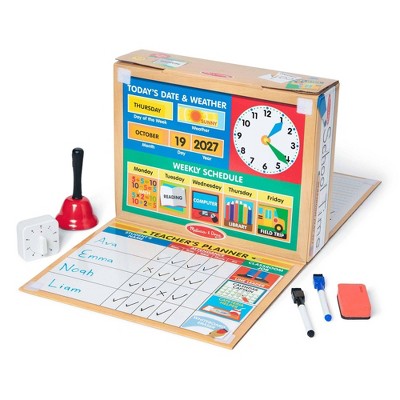
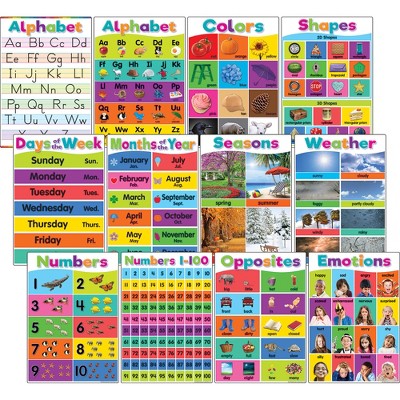
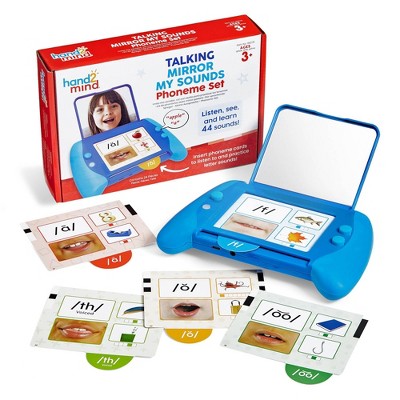
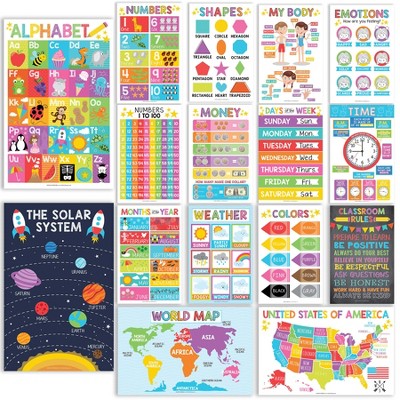
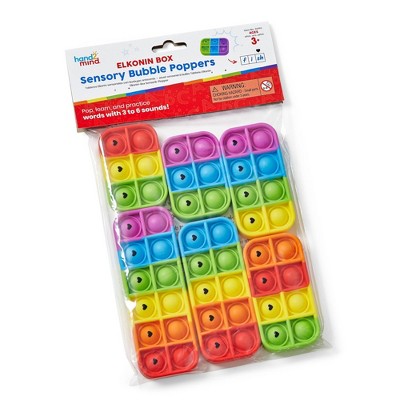
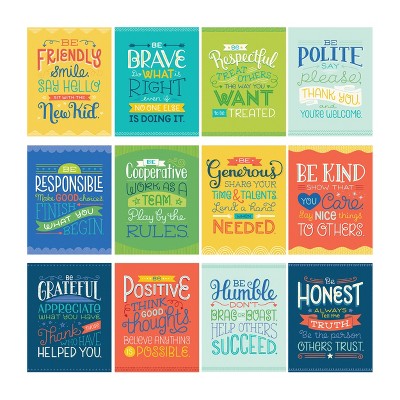
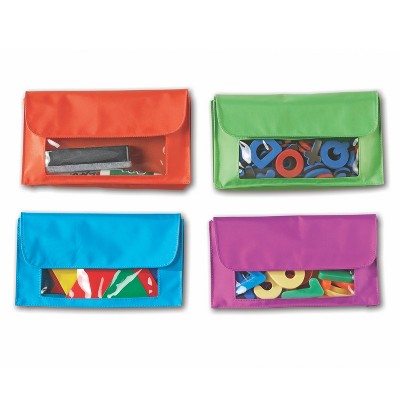
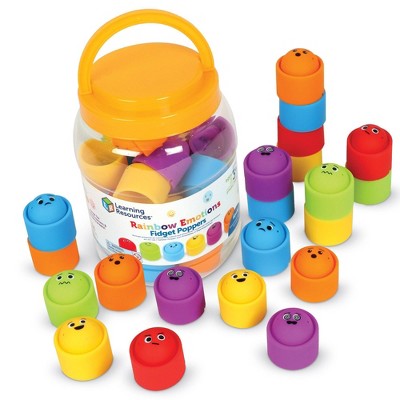
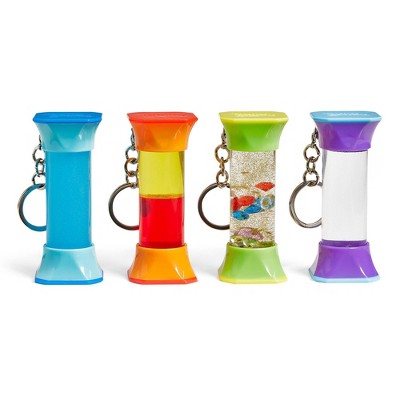
Routine charts use a range of materials, including paper, plywood, various woods (e.g., beech), polyester, plastic, and premium fabric with embroidery.
Charts are designed to be flexible: many hang on walls (with cords or rods), stand on tabletops or desks (with fold-out stands), or are placed on shelves or activity areas.
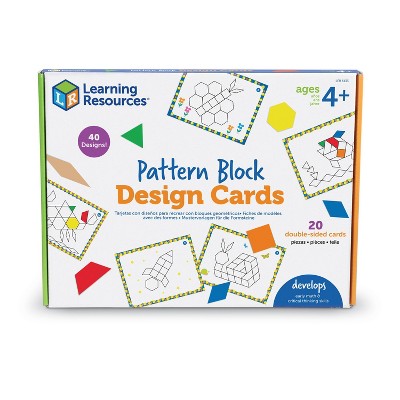
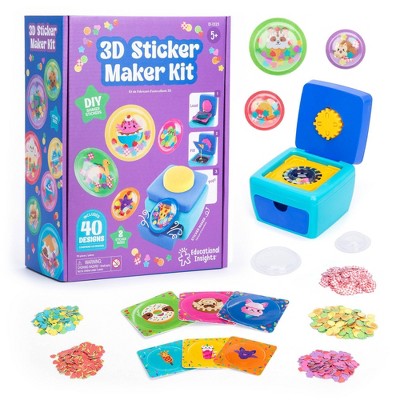
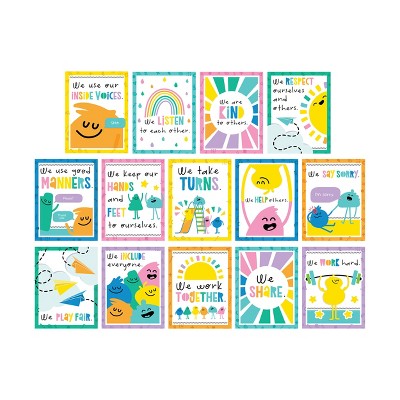
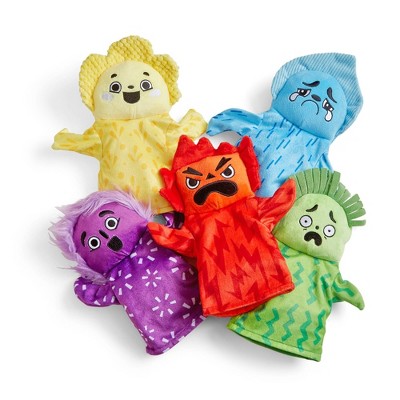
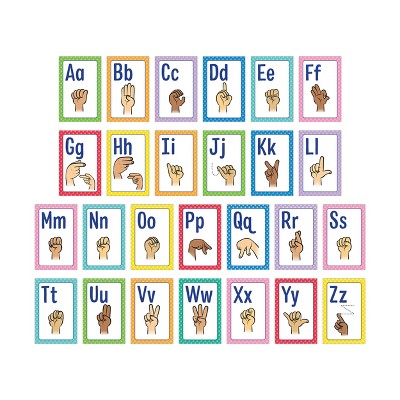
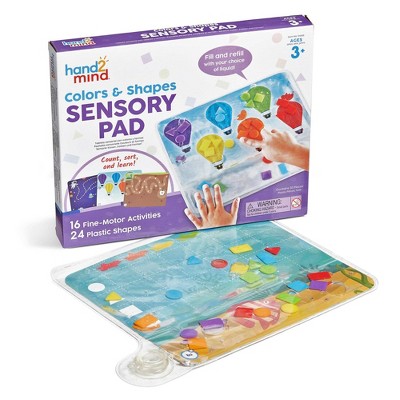
These charts support a wide range of skills, such as social skills, creative thinking, shapes and colors, letters, sensory development, pattern recognition, and general teaching-aid content.
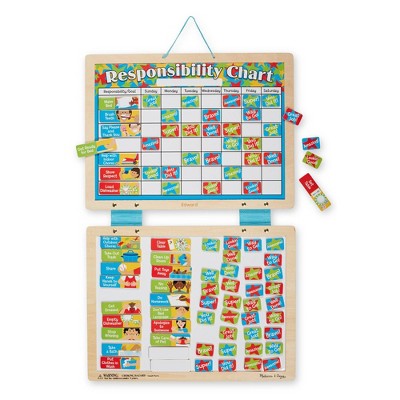
Tactile, screen-free charts use flaps, fabric pieces and movable parts to create hands-on practice. They promote habit building and independence, encourage verbalization, and help develop fine motor skills through repeatable activities.
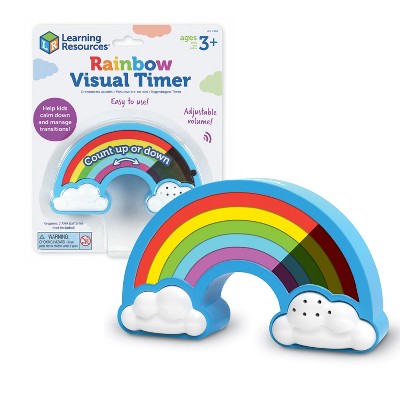
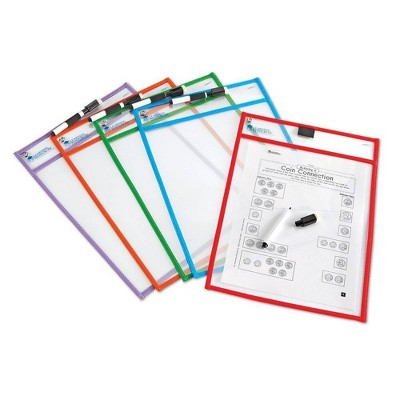
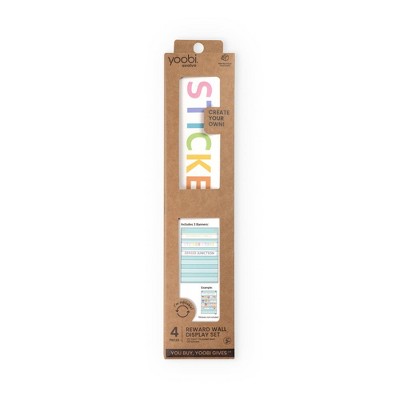
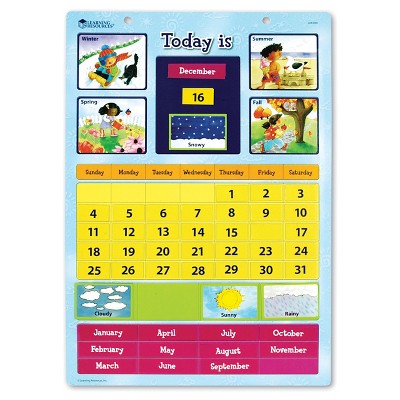
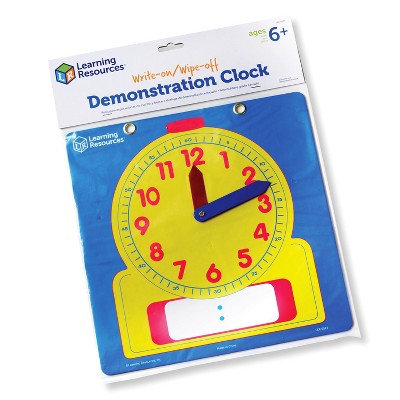
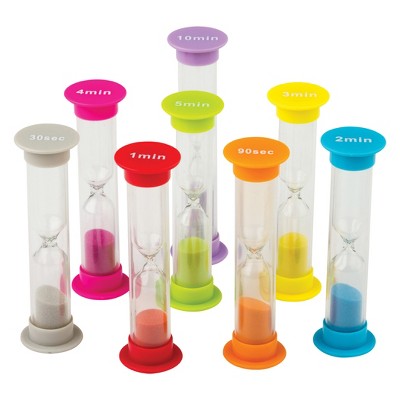
Common formats include paper/incentive chart pads, fabric wall charts with attachable pieces, wooden learning boards (calendar/clock styles), and magnetic or dry-erase tracking charts. Some sets also bundle small routine kits with timers or follow-along boards.
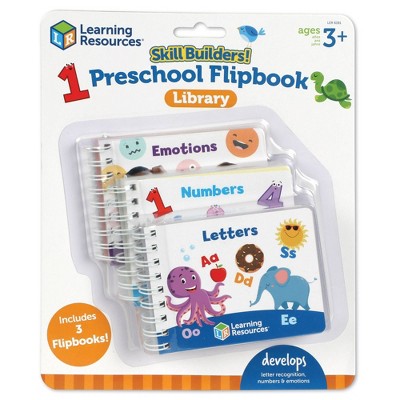
Labeling varies by product; common age ranges in listings include "0–4 years," "18 months and up," "3 years and up," and broader ranges such as "3–10 years," "3–12 years," or "All ages."
Helpful features include countdown color timers, movable clock hands and day-to-night panels, and separate morning and nighttime routine sections to make steps and timing more visible.