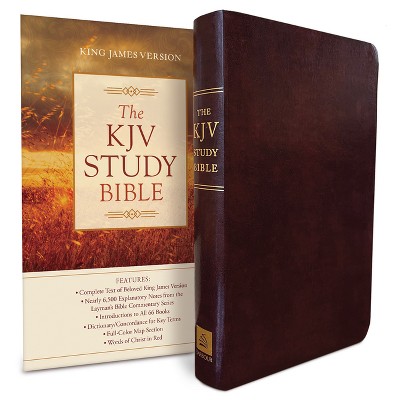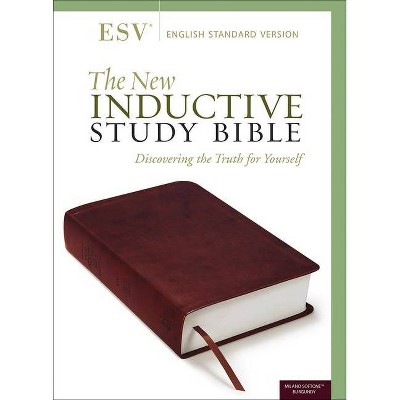
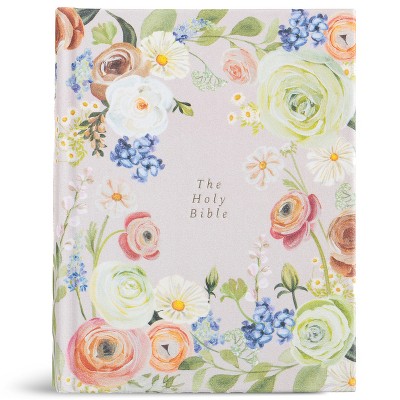
Common features include highlighted key words with linked word-study numbers, dictionary/lexicon entries, book introductions, footnotes and center-column cross-references, word-study indexes, wide margins for notes, ribbon markers, and maps or concordance entries for deeper study.
Counts vary widely by edition: some word-study Bibles provide about 2,000 individual word studies, while large key-word study editions can list over 60,000 keyed words and dictionary entries.
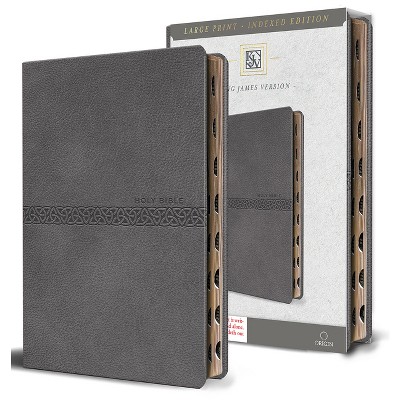
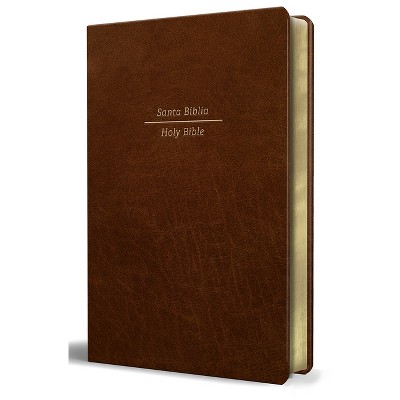
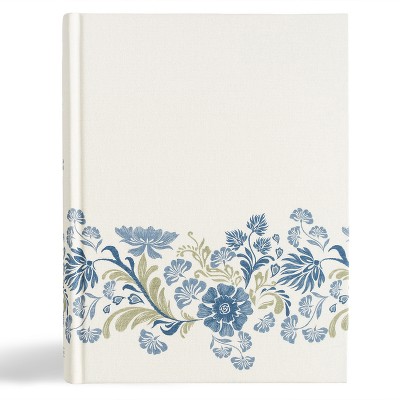
Common formats include genuine goatskin leather, synthetic leathers (EnduraBound/Leathersoft), hardbound with synthetic leather over board, and standard hardcover editions.
They highlight important words in the text and link them to word-study numbers that point to dictionary or lexical entries explaining the original-language meaning, with occasional inline notes or short definitions for immediate context.
Aids include word-study indexes (by number, by English word, and by book), center-column cross-references, extensive cross-references, concordances, and ribbon markers to keep your place.
Common extras include book introductions, topic-by-topic articles, study-the-book notes or chain-linked topical studies, and full-color maps for context.
They often feature Smyth-sewn bindings, wide margins for note-taking, two ribbon markers, and durable covers ranging from genuine goatskin to synthetic leather over board.
Word studies cover Hebrew and Greek, and several editions also include Aramaic entries.