Leopard : Toys for Ages 0-24 Months
Sponsored
14 results
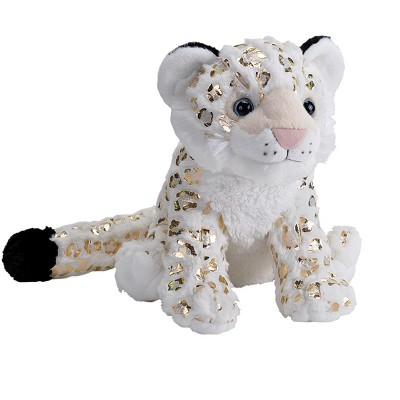
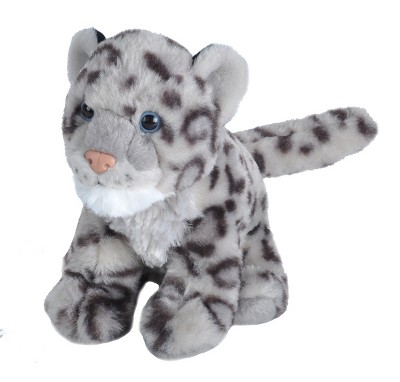
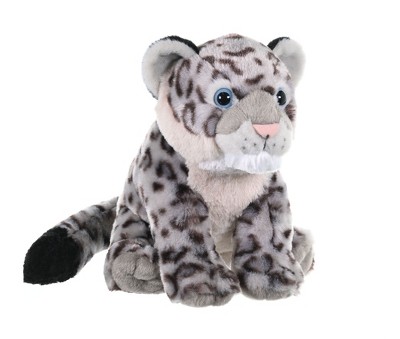
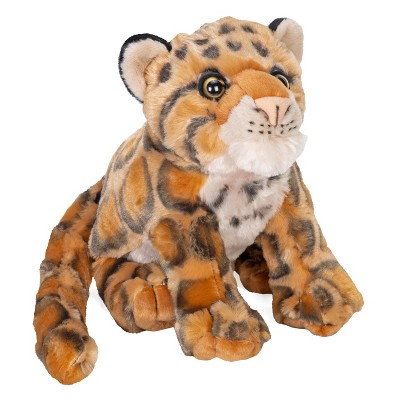
Sponsored
Sponsored
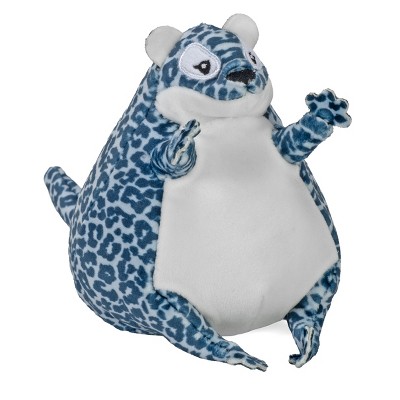
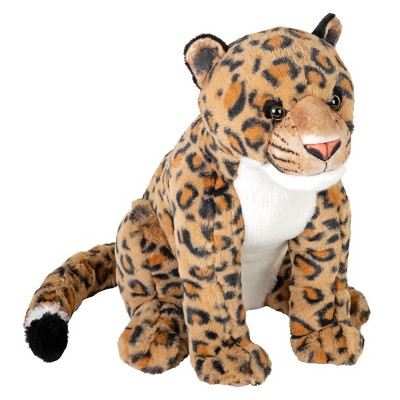
Sponsored
Explore more of what’s going on right now


Related categories
- Toys for Ages 2-4
- Baby Learning Toys
- Toddler Toys
- Toys for Ages 0-24 Months varies
- Toys for Ages 0-24 Months the-child
- Toys for Ages 0-24 Months oball
- Toys for Ages 0-24 Months kiddieland
- Toys for Ages 0-24 Months kids-preferred
- Toys for Ages 0-24 Months costway
- Toys for Ages 0-24 Months all-deals
- Toys for Ages 0-24 Months bedtime-originals
- Toys for Ages 0-24 Months baby-learning-toys
- Toys for Ages 0-24 Months just-play
- Toys for Ages 0-24 Months narwhal
- Toys for Ages 0-24 Months buy-and-save
- Toys for Ages 0-24 Months character
- Toys for Ages 0-24 Months whizmax
- Toys for Ages 0-24 Months boo
- Toys for Ages 0-24 Months kids-ii
- Toys for Ages 0-24 Months laugh-learn
Related searches
- 2t toys
- two year old toys
- toys for 2 yr old boys
- developmental toys age 2
- baby boy toys 2 years
- 2t boy toys
- two year old boy toy
- learning toys age 2
- 12 month toy
- toys fir toddlers
- 2 year okd boy toys
- 12 month toys boy
- toys fir 1 year old
- 2t toddler toy
- kids toys 2 year olds
- age 1 toy
- toy for 1 years old
- early learning toys
- toys for two year old girls
- 1 year toy
Leopard : Toys for Ages 0-24 Months
Toys for Ages 0–24 Months: Baby Toys for Learning, Comfort, and Early Discovery
The first two years are filled with important milestones, from reaching and grasping to crawling, walking, babbling, and exploring. Choosing the right toys for ages 0–24 months can help support early development while keeping little ones engaged through safe, age-appropriate play. From soft textures and soothing sounds to hands-on learning activities, today’s baby toys are designed to encourage curiosity, movement, and bonding.
For newborns and younger infants, gentle sensory experiences are especially important. A soft rattle, crinkle toy, or soft book can introduce babies to sound, color, and touch in a comforting way. Many early baby toy options include high-contrast patterns, textured fabrics, and lightweight materials that are easy for small hands to explore. A quality sensory toy can encourage visual tracking, reaching, and grasping while helping babies become familiar with different shapes and sounds.
As babies grow, tummy time toys can help strengthen neck, shoulder, and core muscles. Supportive play mats with mirrors, dangling toys, and interactive features make floor play more engaging while encouraging movement. These early experiences help children build fine motor skills, hand-eye coordination, and confidence as they begin rolling, reaching, and crawling.
Teething is another major stage during the first two years. Safe teethers provide babies with something soothing to chew as new teeth begin to emerge. Many teethers are designed with easy-grip shapes, soft materials, and varied surfaces to support comfort and exploration. Parents often keep extra teethers in diaper bags, near the crib, or attached to a stroller for on-the-go use. Along with teething toys, these essentials can help make daily routines more manageable for babies and caregivers.
For older babies and young toddlers, hands-on developmental toys become especially valuable. A classic stacker helps children practice stacking, sorting, and problem-solving. Stacking cups, rings, and blocks encourage coordination while introducing size, color, and sequence concepts. Simple stacking activities also support early thinking skills and strengthen fine motor skills through repeated practice.
Many families appreciate Montessori-inspired toys because they encourage independent exploration, purposeful movement, and open-ended learning. A well-made wooden toy can support this approach with simple design, natural materials, and long-lasting durability. Montessori toys often focus on practical discovery, helping babies and toddlers learn through touch, movement, and repetition.
Interactive toys also help little ones explore cause and effect. Musical toys introduce rhythm, sound, and movement, while a simple toy may include buttons, sliders, mirrors, or spinning pieces that encourage hands-on play. A shape sorter can help toddlers practice matching, sorting, and problem-solving while developing coordination and spatial awareness.
Comfort toys remain important throughout the baby and toddler years. Soft plush toys can provide emotional reassurance, while familiar characters and cuddly companions help support routines at home, during travel, or while riding in strollers. As toddlers become more imaginative, early pretend play begins to emerge through toy phones, dolls, animals, vehicles, and simple role-play sets.
When shopping for toys for ages 0–24 months, look for items that match your child’s age, abilities, and interests. The best toys are safe, durable, easy to clean, and designed to grow with your child through multiple stages of play. From baby toys and teethers to stacking sets, sensory activities, and early learning favorites, the right selection can support development while making everyday play more meaningful.
FAQ
Q: What toys are best for babies under 6 months?
A: Soft rattles, high-contrast toys, soft books, play mats, teethers, and sensory toys are popular choices for young infants.
Q: Why are tummy time toys important?
A: Tummy time toys encourage babies to lift their heads, reach, and move, helping strengthen muscles needed for rolling, crawling, and sitting.
Q: Are Montessori toys good for babies?
A: Yes. Montessori-inspired toys often encourage independent exploration, simple problem-solving, and hands-on learning through natural materials and purposeful play.
Q: What toys help develop fine motor skills?
A: Stackers, stacking cups, shape sorters, activity toys, and textured sensory toys can help babies practice grasping, reaching, sorting, and hand-eye coordination.
Q: When do babies start pretend play?
A: Pretend play often begins in simple ways during the toddler stage, usually around 12–24 months, as children imitate everyday actions and routines.