Target New ArrivalsHalloweenChristmasGift IdeasClothing, Shoes & AccessoriesHome & DecorKitchen & DiningPatio, Lawn & GardenGroceryHousehold EssentialsBabyBeautyTarget Beauty StudioPersonal CareSports & OutdoorsPetsHealthWellnessSchool & Office SuppliesToys & GamesElectronics & TechVideo GamesBooks, Music & MoviesParty SuppliesGift CardsShop by CommunityTarget OpticalDealsClearanceNew ArrivalsHalloweenChristmasGift IdeasTop DealsTarget Circle DealsWeekly AdShop Order PickupShop Same Day DeliveryRegistryRedCardTarget CircleFind Stores
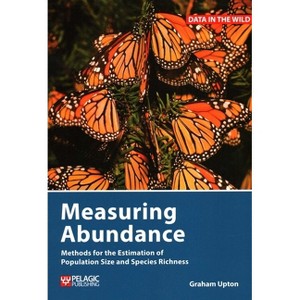
Measuring Abundance - (Data in the Wild) by  Graham Upton (Paperback) - 1 of 1

Measuring Abundance - (Data in the Wild) by Graham Upton (Paperback)

$44.49 MSRP $45.00
 

In Stock

Free & easy returns
Free & easy returns
Return this item by mail or in store within 90 days for a full refund.
Eligible for registries and wish lists
Save 5% every day
With Target Circle™ Card (restrictions apply)

About this item

Highlights

  • Measuring the abundance of individuals and the diversity of species are core components of most ecological research projects and conservation monitoring.
  • Author(s): Graham Upton
  • 229 Pages
  • Science, Life Sciences
  • Series Name: Data in the Wild

Description


About the Book


Measuring the abundance of individuals and the diversity of species are core components of most ecological research projects and conservation monitoring. This book brings together in one place the methods used to estimate the abundance of individuals in nature. Code and examples for use with the R programming language are included.


Book Synopsis


Measuring the abundance of individuals and the diversity of species are core components of most ecological research projects and conservation monitoring. This book brings together in one place, for the first time, the methods used to estimate the abundance of individuals in nature.

The statistical basis of each method is detailed along with practical considerations for survey design and data collection. Methods are illustrated using data ranging from Alaskan shrubs to Yellowstone grizzly bears, not forgetting Costa Rican ants and Prince Edward Island lobsters. Where necessary, example code for use with the open source software R is supplied. When appropriate, reference is made to other widely used programs.

After opening with a brief synopsis of relevant statistical methods, the first section deals with the abundance of stationary items such as trees, shrubs, coral, etc. Following a discussion of the use of quadrats and transects in the contexts of forestry sampling and the assessment of plant cover, there are chapters addressing line-intercept sampling, the use of nearest-neighbour distances, and variable sized plots.

The second section deals with individuals that move, such as birds, mammals, reptiles, fish, etc. Approaches discussed include double-observer sampling, removal sampling, capture-recapture methods and distance sampling.

The final section deals with the measurement of species richness; species diversity; species-abundance distributions; and other aspects of diversity such as evenness, similarity, turnover and rarity.

This is an essential reference for anyone involved in advanced undergraduate or postgraduate ecological research and teaching, or those planning and carrying out data analysis as part of conservation survey and monitoring programmes.


Review Quotes


Measuring Abundance is an excellent tool for agency and non‐governmental biologists looking to better understand baseline population sizes or develop long‐term monitoring programs. Furthermore, for many graduate students, this book may be a useful resource for reviewing and covering a range of methods available to measure abundance.


A real strength of Measuring Abundance is the simplicity of the writing. One highlight that helps to transform the book into something more than a true reference manual is the advice and sampling tips scattered throughout


An excellent resource for ecologists, ornithologists, wildlife researchers and environmentalists...and an excellent addition to any library's collection.


Dimensions (Overall): 9.61 Inches (H) x 6.69 Inches (W) x .5 Inches (D)
Weight: .85 Pounds
Suggested Age: 22 Years and Up
Number of Pages: 229
Genre: Science
Sub-Genre: Life Sciences
Series Title: Data in the Wild
Publisher: Pelagic Publishing Ltd
Theme: Biology
Format: Paperback
Author: Graham Upton
Language: English
Street Date: October 12, 2020
TCIN: 1014464924
UPC: 9781784272319
Item Number (DPCI): 247-43-1852
Origin: Made in the USA or Imported
If the item details aren’t accurate or complete, we want to know about it.

Shipping details

Estimated ship dimensions: 0.5 inches length x 6.69 inches width x 9.61 inches height
Estimated ship weight: 0.85 pounds
We regret that this item cannot be shipped to PO Boxes.
This item cannot be shipped to the following locations: American Samoa (see also separate entry under AS), Guam (see also separate entry under GU), Northern Mariana Islands, Puerto Rico (see also separate entry under PR), United States Minor Outlying Islands, Virgin Islands, U.S., APO/FPO, Alaska, Hawaii

Return details

This item can be returned to any Target store or Target.com.
This item must be returned within 90 days of the date it was purchased in store, delivered to the guest, delivered by a Shipt shopper, or picked up by the guest.
See the return policy for complete information.

Additional product information and recommendations

Discover more options

Skip to next section

Best-selling Adult Non-Fiction Books

Skip to next section

Get top deals, latest trends, and more.