Battery needs vary: some toys are battery-free, while many interactive toys require AA or AAA batteries. Examples in the results include configurations such as 3 AA, 3 AAA, and 4 AA.
Most are made from plastic, though some products include wooden components (for example, activity tables with sturdy wooden legs).
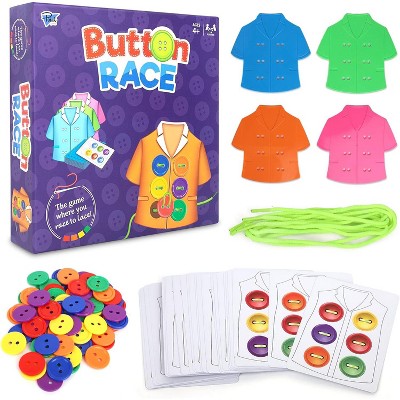
They promote fine motor skills through actions like grasping, pressing buttons, flipping pages, and moving small parts. Sensory development is supported with lights, sounds, music, beads, and moving elements that teach cause-and-effect.
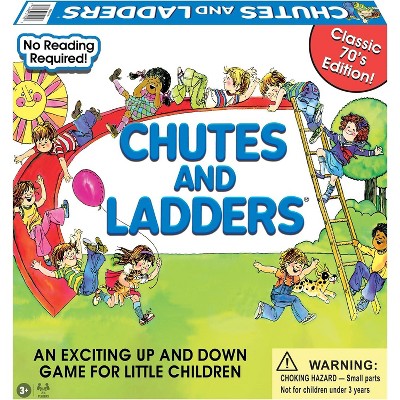
Some listings include choking-hazard warnings for small parts; reviewers also flag tiny pieces (for example, small burger pieces) as a risk for younger children. Check the product's age recommendation and safety warnings before use.
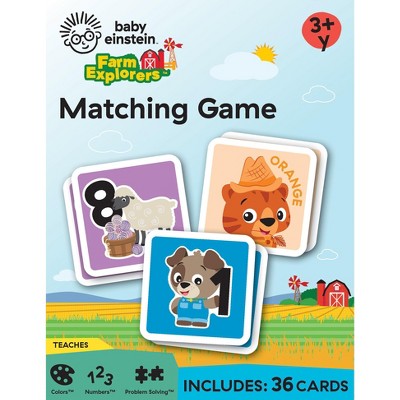
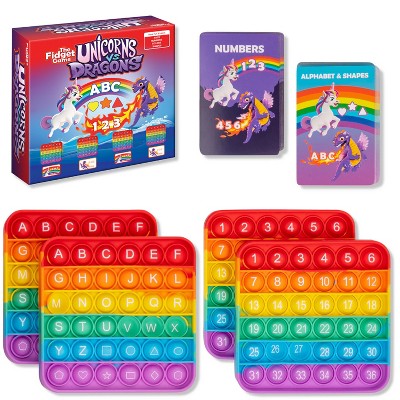
Common focuses include shapes and colors, numbers and the alphabet, memory and matching, fine motor and sensory development, creative thinking, and social-emotional learning.
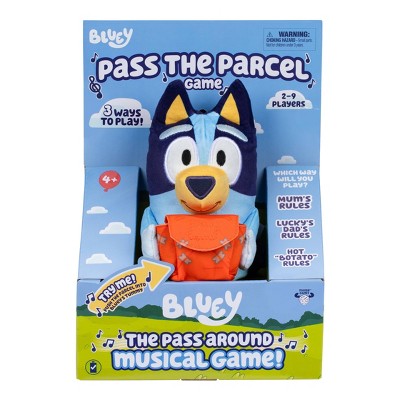
Typical features include lights, music and sound effects; pressable buttons, joysticks, or piano keys; motion (roly-poly or spring/bounce actions); multi-mode learning levels; and recording/playback or remix capabilities.
Musical toys commonly offer multiple learning/play levels or modes (for example, "3 Smart Stages"), several piano or play modes, multi-color lights, large libraries of songs/sounds (noted as "75+" up to "100+"), and recording/playback or remix features.