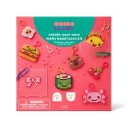
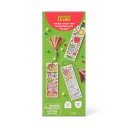
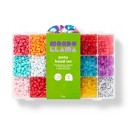
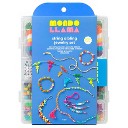
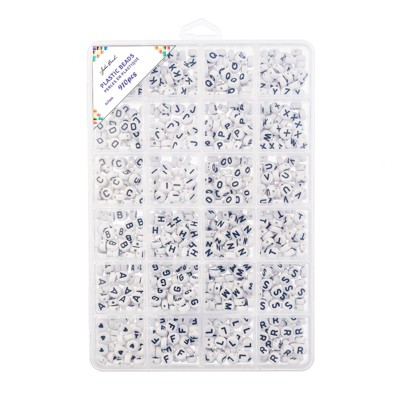
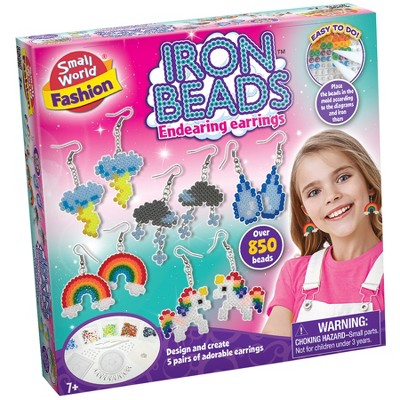
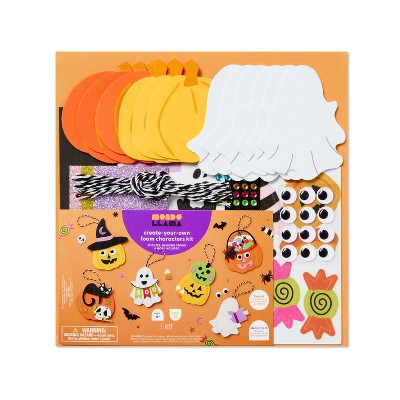
Common materials include plastic and polystyrene beads and parts; some kits use wood, cotton, or acrylic components, and a few use paper for gem-art backings.
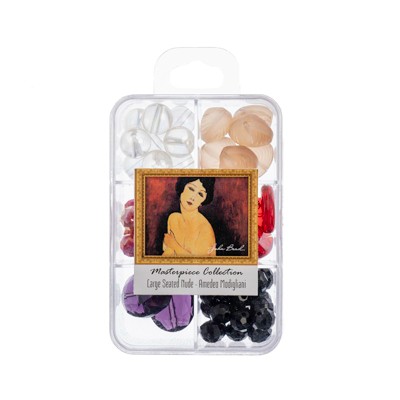
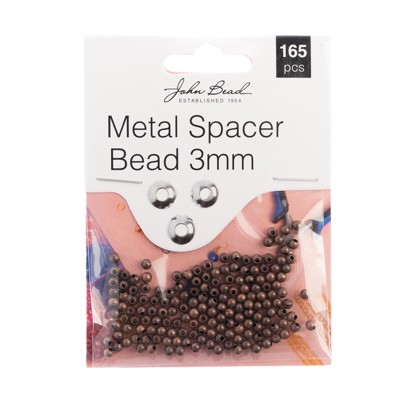
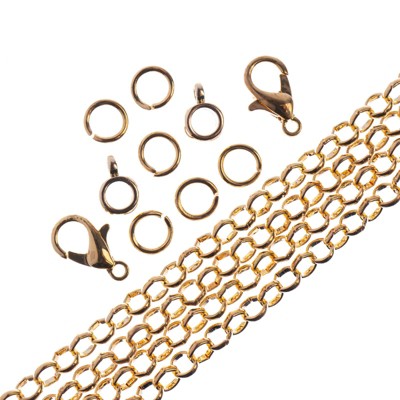
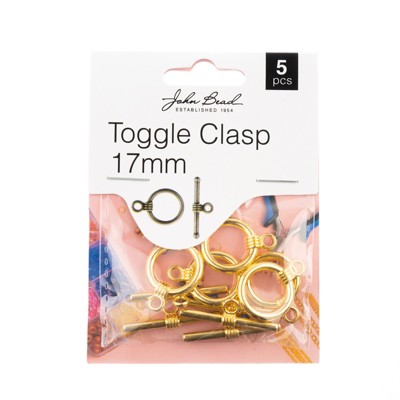
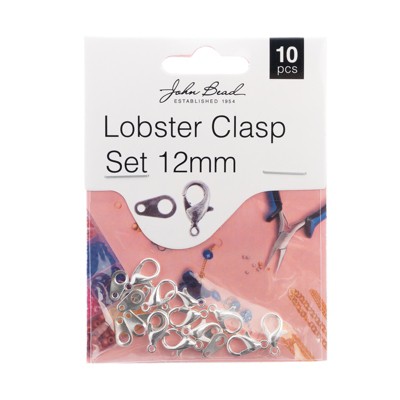
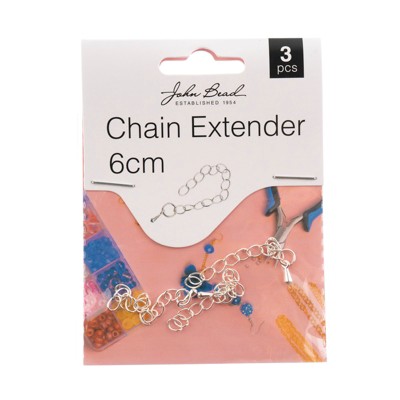
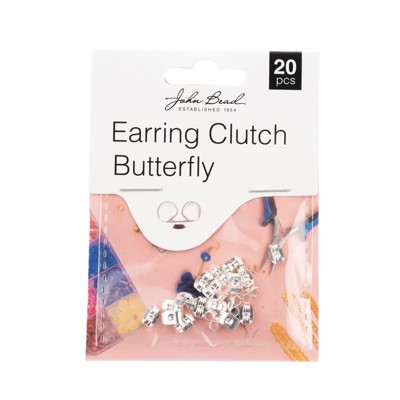
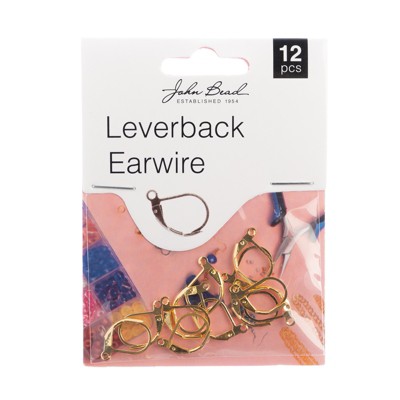
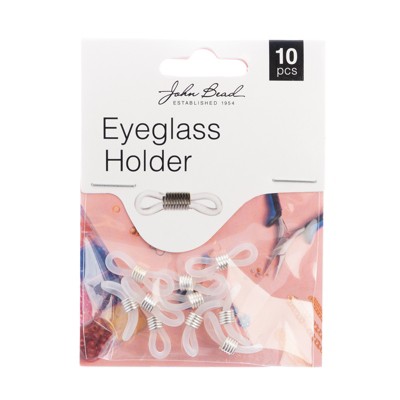
Most kits include beads plus assembly items such as cords, thread, clasps or clips, and instruction sheets. Many also include tools or aids like beading pens, flip trays, sprayers (for fuse beads), trays or storage cases, and templates.
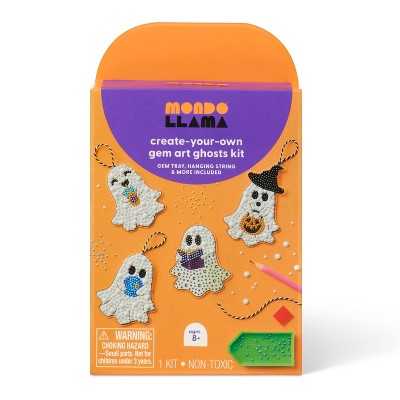
Many kits carry CPSC-style choking-hazard warnings for small parts; a few also call out specific small-ball hazards in addition to the general small-parts warning.
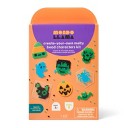
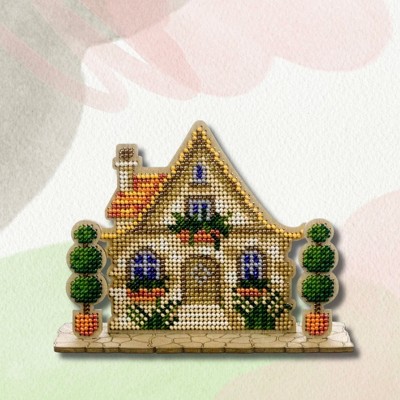
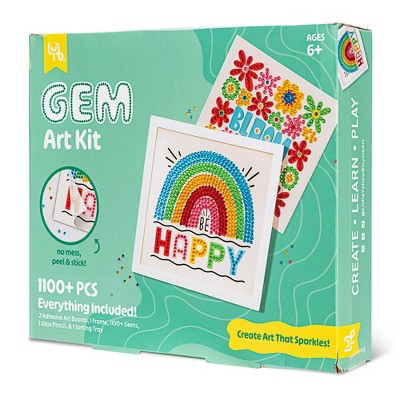
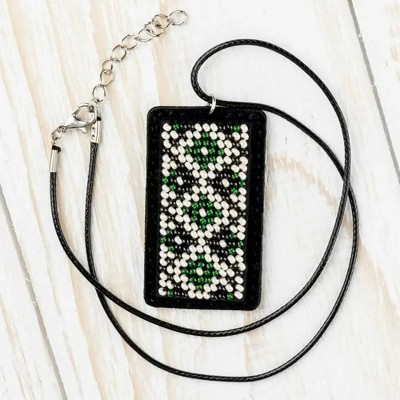
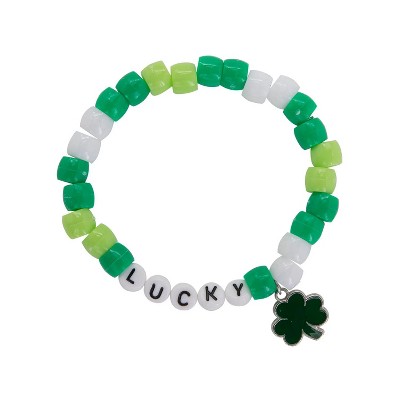
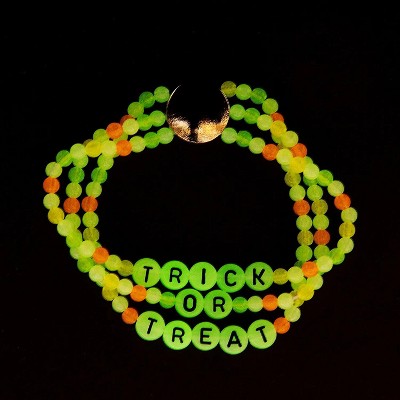
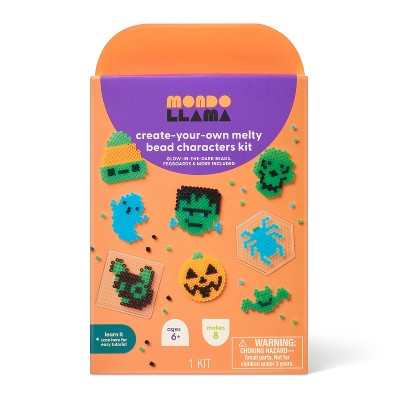
Kits support a range of techniques, including stringing and jewelry-making, water-activated fuse bead designs, gem/diamond-style stick-on art, bead embroidery on plastic bases, and stackable heishi bracelet assembly.
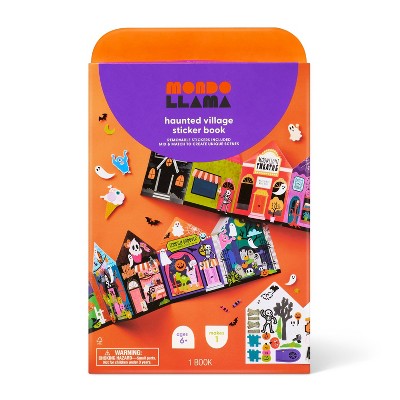
Packaging ranges from simple bags to organized trays and carrying cases. Examples include kit bags with euro loops, wooden sorting trays, and bead palettes or cases that double as storage with carry handles.
Kits frequently promote fine motor skills, hand‑eye coordination, patterning and color/shape recognition, and are often described as educational—helping develop dexterity and creative expression.