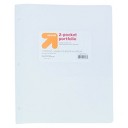
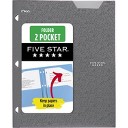
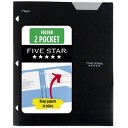
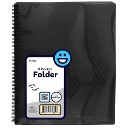
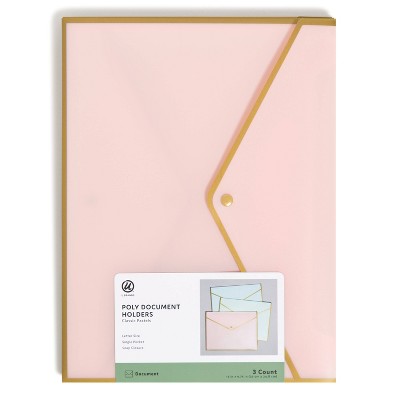
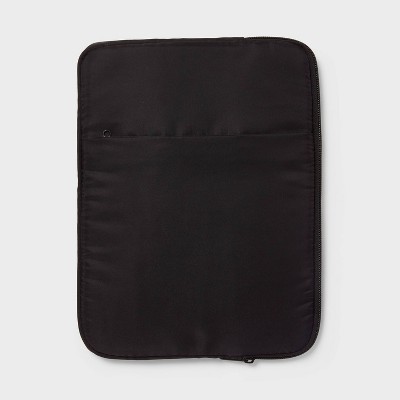
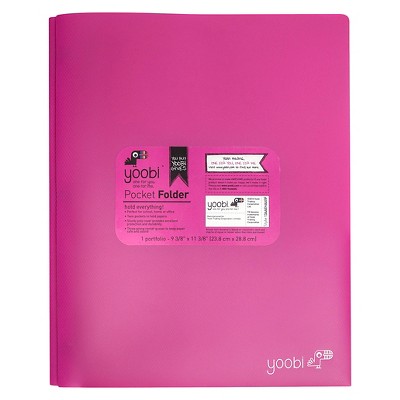
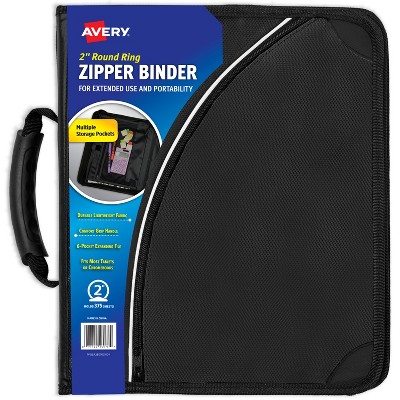
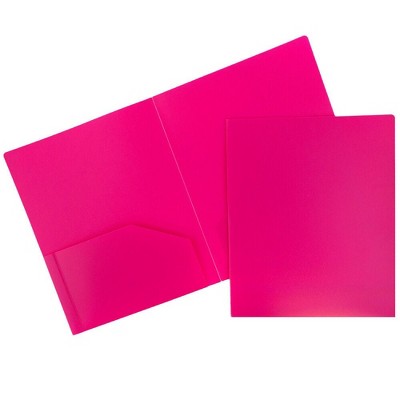
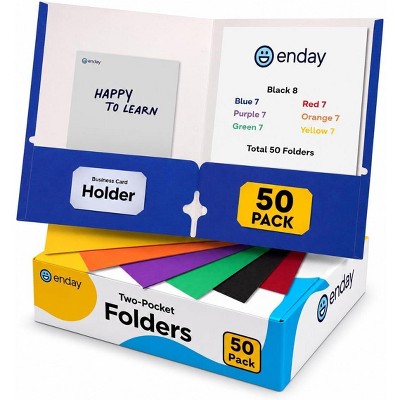
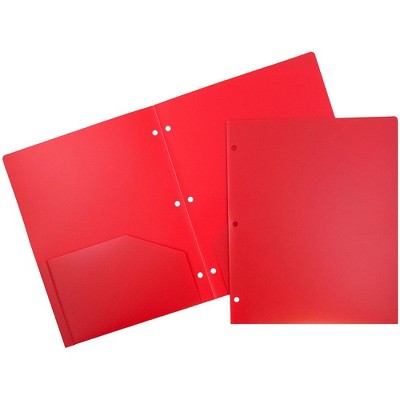
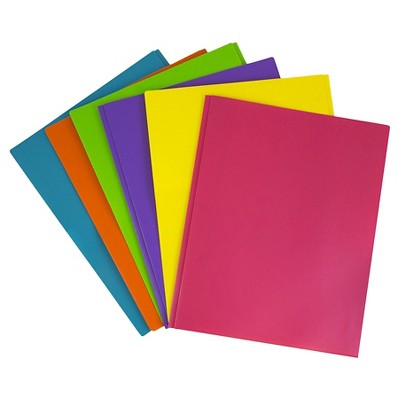
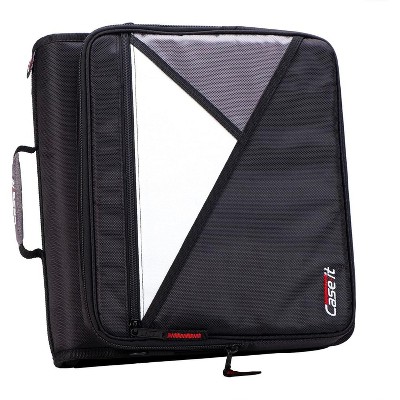
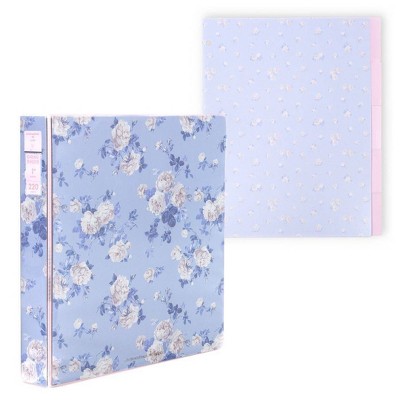
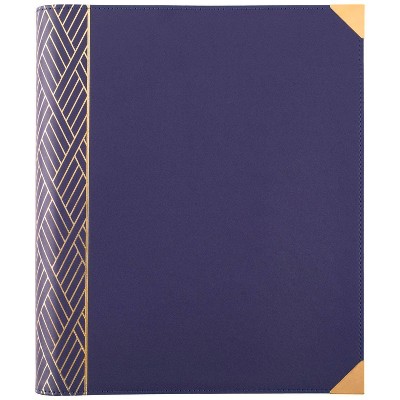
Binder pocket folders are commonly made from polypropylene (plastic), paper and cardstock, cardboard, and sometimes metal components (for fasteners or reinforcement).
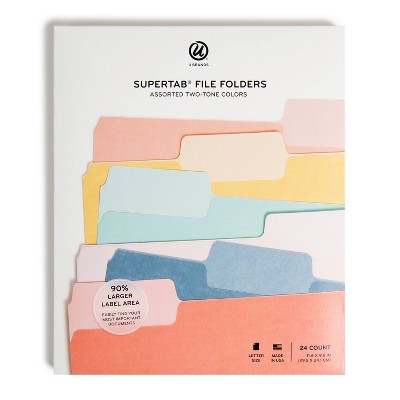
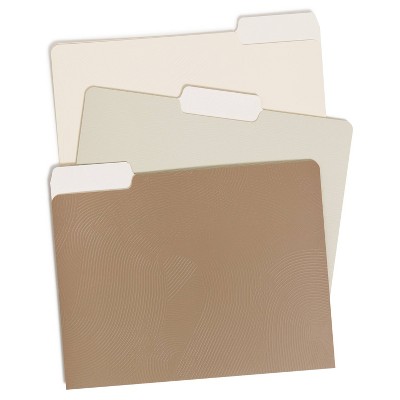
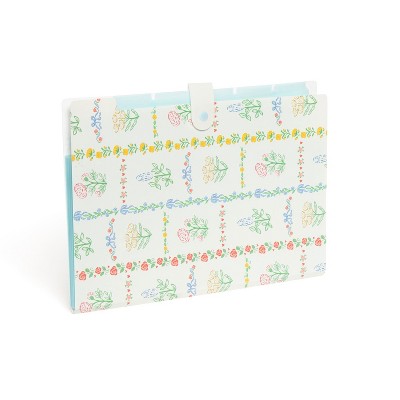
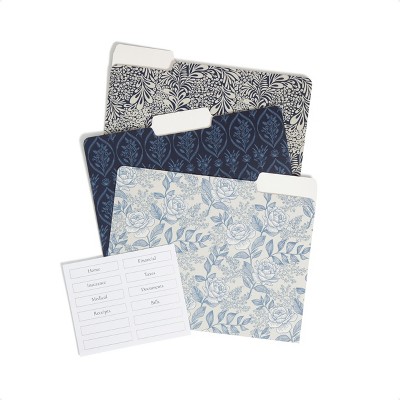
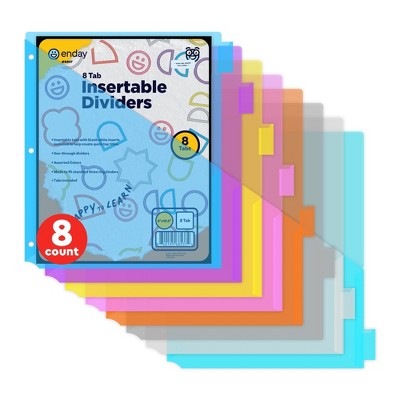
Decorative file folders often use 1/3-cut tabs for labeling and identification. Tabs can be written on directly or fitted with adhesive labels for clearer organization.
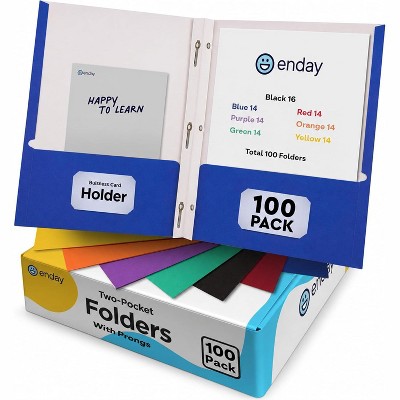
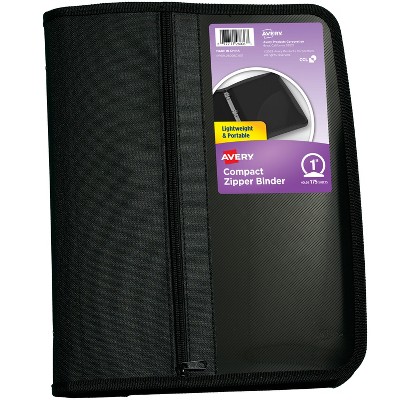
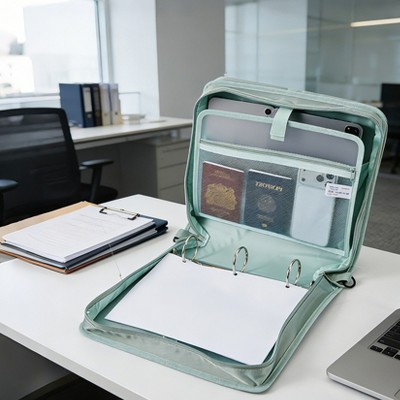
Common fastening and closure features include prong fasteners for hole-punched documents, D-rings and other binder rings for loose-leaf pages, 3-hole punched compatibility for standard binders, and thumb-turn or snap closures on some organizers to keep contents secure.
Review summaries commonly describe these folders and binders as sturdy and durable—often lasting a full school year—and offering good value for the price. Some reviews note minor issues such as packaging damage or less-rigid construction on lower-cost models.
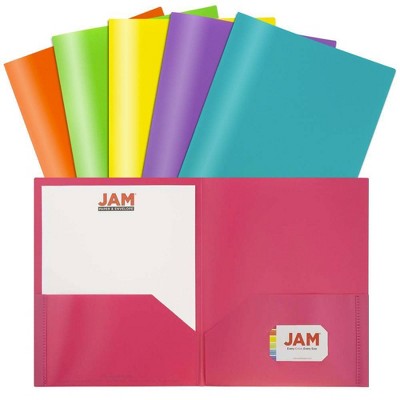
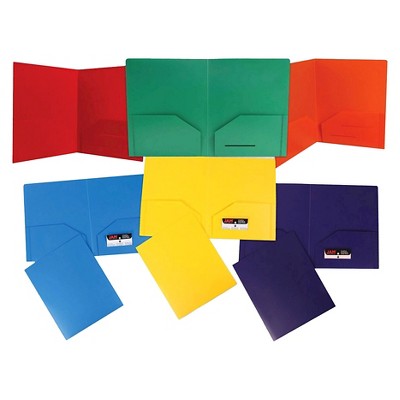
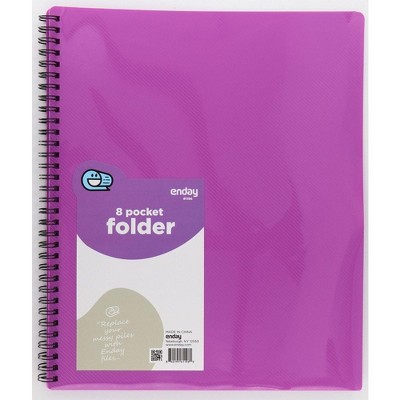
Pocket counts vary widely, from single-pocket folders to multi-pocket organizers. Common examples in listings include 1-, 2-, 4-, 12-, and 19-pocket configurations.
Sheet capacities span a wide range—from about 30 sheets up to 1,400 sheets—depending on the product. Typical capacities shown include 30, 50, 150, 220, and 1,400 sheets.
The main attachment types are D-rings (binder rings), prong fasteners (for hole-punched documents), and non-pronged/3-hole punched formats designed to work with standard binder rings.
Most folders and binders are sized for standard 8.5" x 11" (letter) paper. Individual product dimensions vary—examples include sizes like 11.75 x 9.5 in and 11.57 x 10.24 in—so check listings for exact measurements.
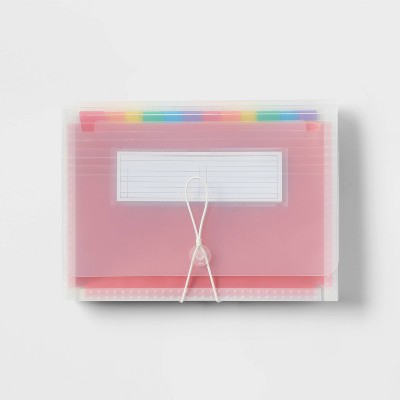
The shown expandable accordion organizer lists 19 interior pockets and a sheet capacity of about 1,400 sheets.