Target New ArrivalsBack to SchoolCollegeClothing, Shoes & AccessoriesHome & DecorKitchen & DiningOutdoor Living & GardenGroceryHousehold EssentialsBabyBeautyPersonal CareSports & OutdoorsHealthWellnessSchool & Office SuppliesToys & GamesElectronics & TechVideo GamesMovies, Music & BooksParty SuppliesGift IdeasGift CardsPetsUlta Beauty at TargetShop by CommunityTarget OpticalDealsClearanceNew ArrivalsBack to SchoolCollegeTop DealsTarget Circle DealsWeekly AdShop Order PickupShop Same Day DeliveryRegistryRedCardTarget CircleFind Stores

boys cup

1,000+ results for “boys cup”
Sponsored
Sponsored

Powered by AI

Guests also ask:

Capacities range from about 10 fl oz up to 24 fl oz. Common sizes you’ll see are 10 oz, 12 oz, 14 oz, 15 oz, 16 oz, 19 oz, 20 oz and 24 oz.

Many use stainless steel (often labeled 18/8 or food‑grade), while others use plastics such as polypropylene, HDPE and copolyester. Lids and seals commonly include silicone parts, and some options note recycled plastic content.

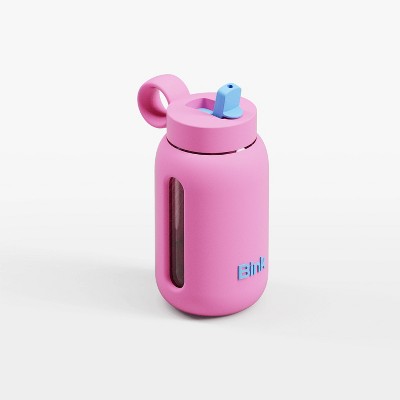
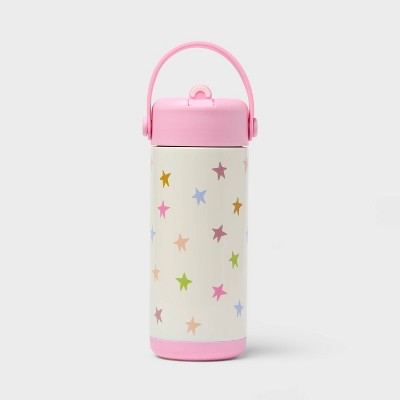
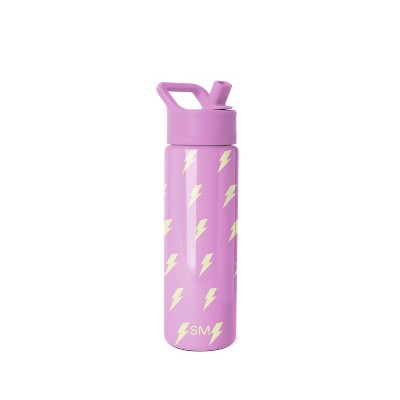
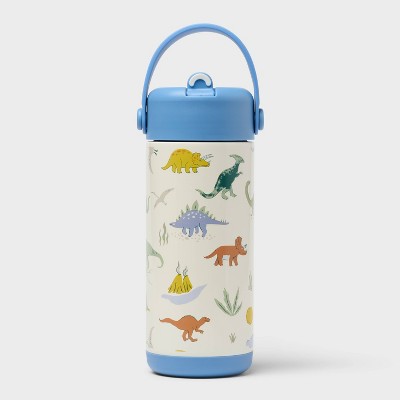
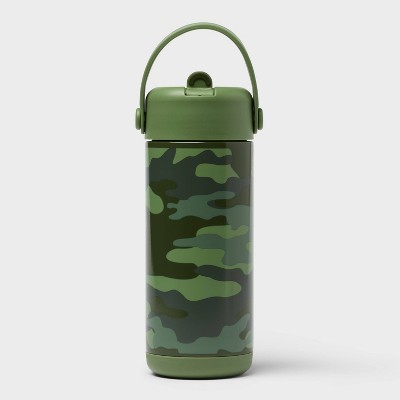
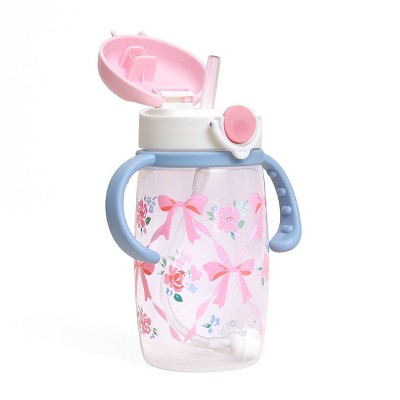
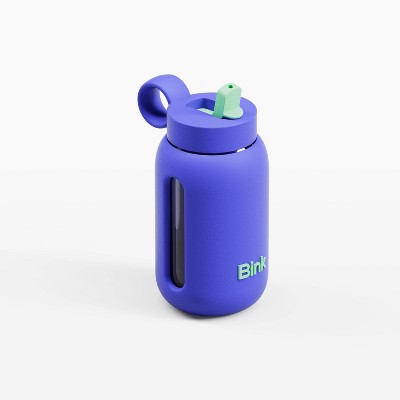
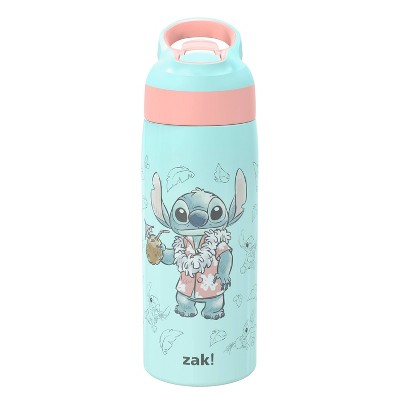
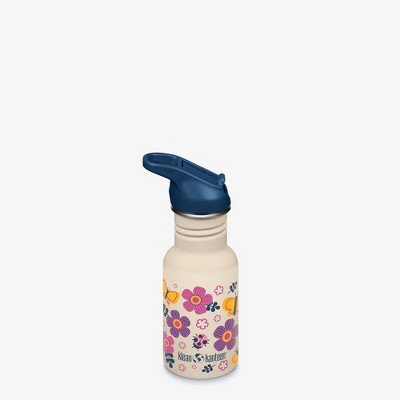
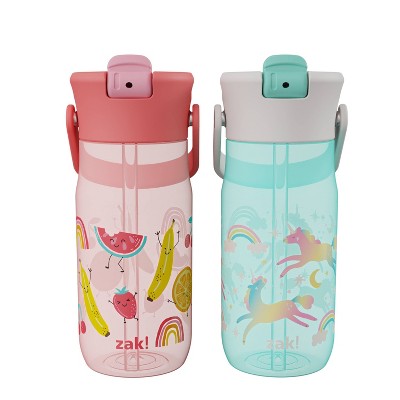
Common styles include straw lids (removable or integrated), flip‑top or screw‑on lids with removable straws, spoutless 360° rims for drinking from any side, one‑way valve lids that prevent drips, drink‑thru lids, twist‑off or flip‑top covers, and push‑button or flip covers that keep spouts clean.

Age recommendations vary by design. Typical labels include infant/toddler ranges (around 0–12 months or 12 months+), toddler/preschool (1–3 years), and general kids' ranges such as 3 years and up or 0–6 years. Check each product’s recommendation for specific guidance.

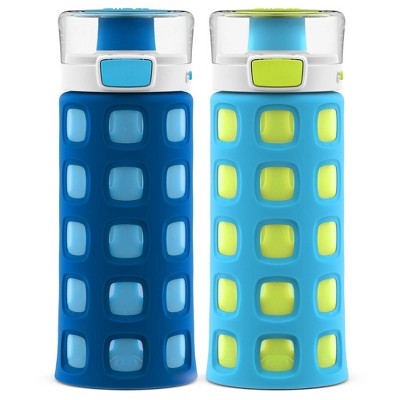
Manufacturers use several anti‑spill designs: 360° drinking rims that seal when not in use, one‑way or valve‑equipped straws, leak‑proof straw lids, screw‑on lids, and flip or cover spouts that keep the drinking area closed and clean.

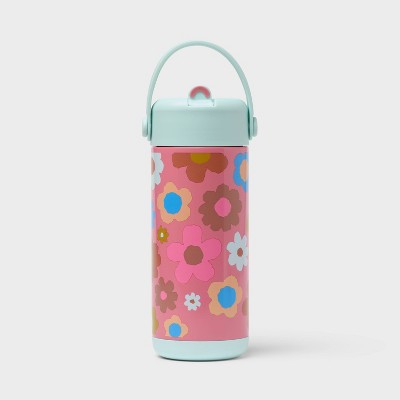
Features often include built‑in or fold‑away handles, removable straps or pop‑it handles, carry loops, cupholder compatibility, and wide, stable bases to reduce tipping.

Get top deals, latest trends, and more.