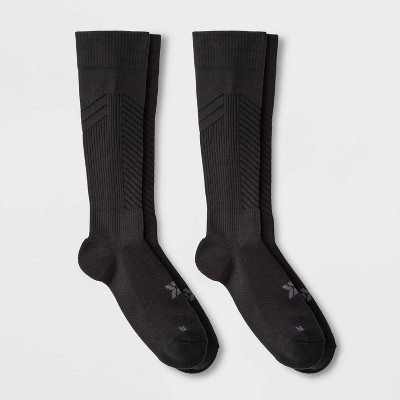
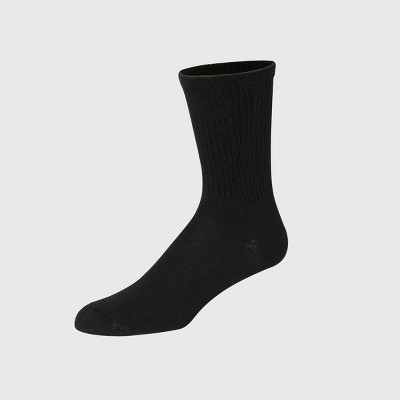
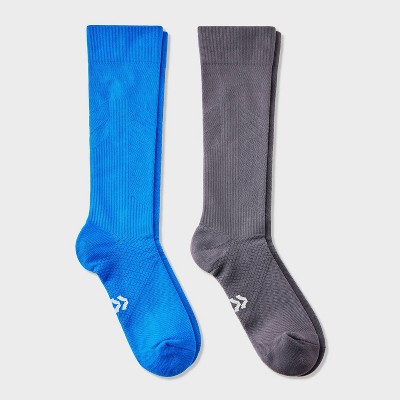
Most moisture-wicking socks use synthetic-performance blends—commonly polyester (including recycled polyester) mixed with cotton or other base fibers. They typically include small amounts of stretch or durability fibers such as nylon, spandex/elastane, rayon, or rubber to improve fit and longevity.
Moisture-wicking socks are offered in lightweight, midweight, and heavyweight fabrications. The available weight usually depends on the sock style and intended activity.
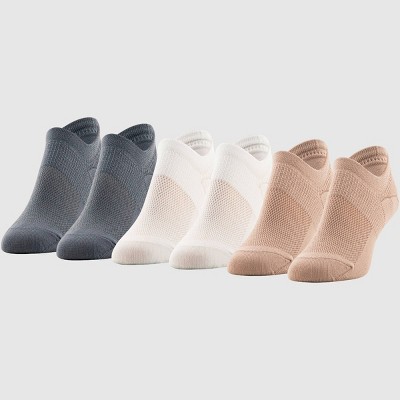
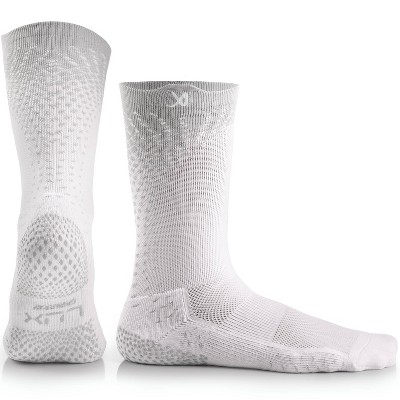
Common ventilation features include ventilating mesh panels or breathable knit constructions and fabrics marketed with cooling or wicking technology. These elements move moisture away from the skin and increase airflow to keep feet cooler and drier.
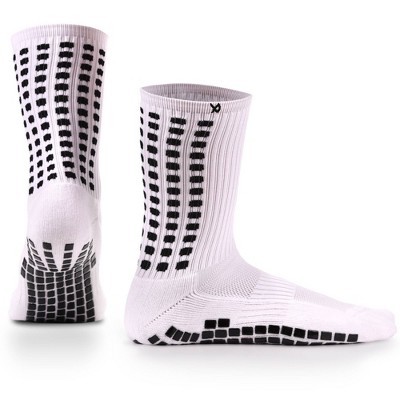
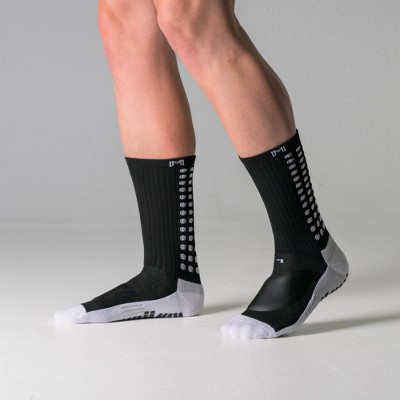
Athletic moisture-wicking socks commonly list cushioned soles or zone-specific cushioning for impact protection, plus support features such as built-in arch support, reinforced heels and toes for durability, and gel or hidden heel grips to reduce slipping and improve fit.
Most product listings specify machine washing and tumble drying as acceptable care. Care instructions vary by material, so follow the garment’s label; some descriptions also recommend washing in cold water, which can reduce energy use.
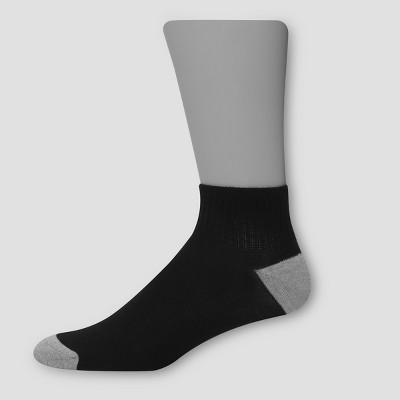
Look for flat or smooth toe seams, Y-heel stitching, and gel or hidden heel grips to minimize rubbing and slipping. Stay-in-place ribbed cuffs and reinforced heel construction also help keep socks from sliding down.
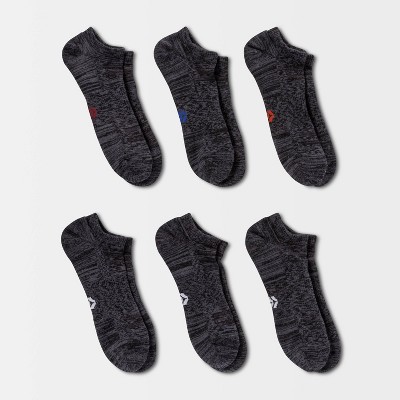
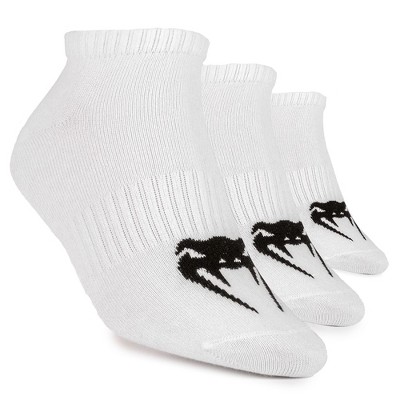
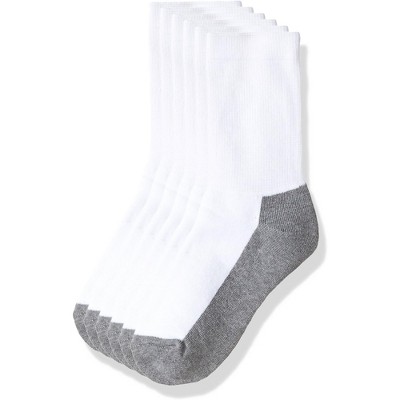
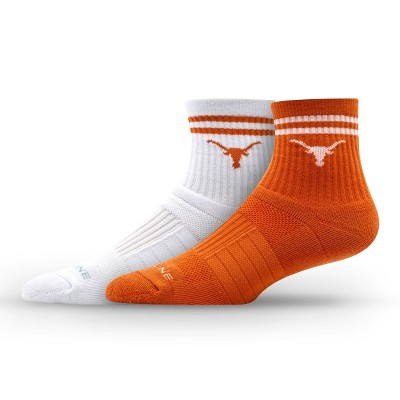
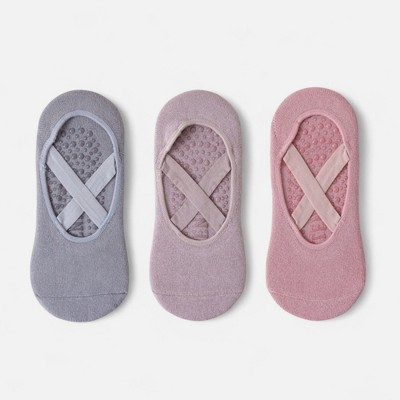
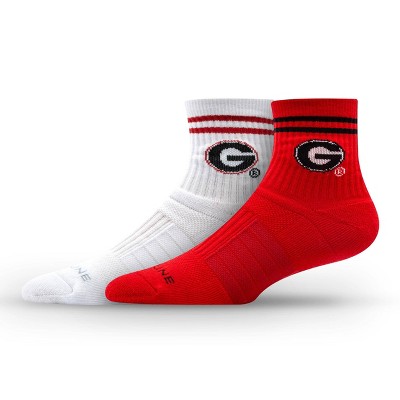
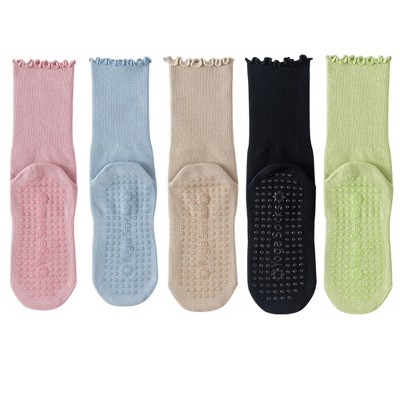
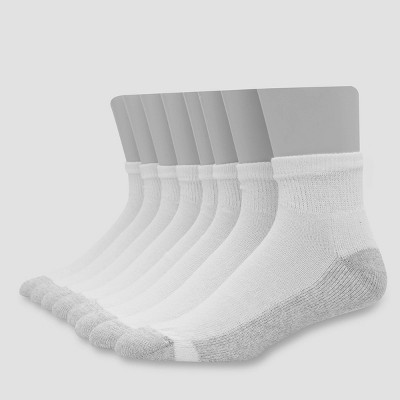
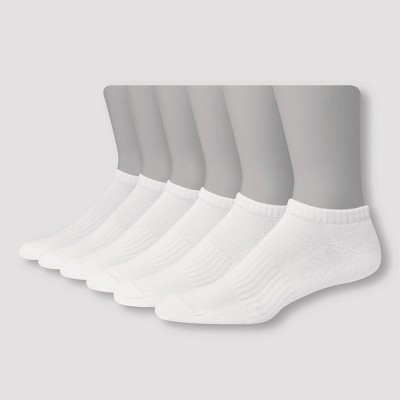
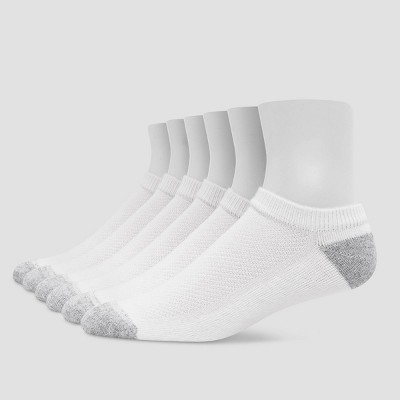
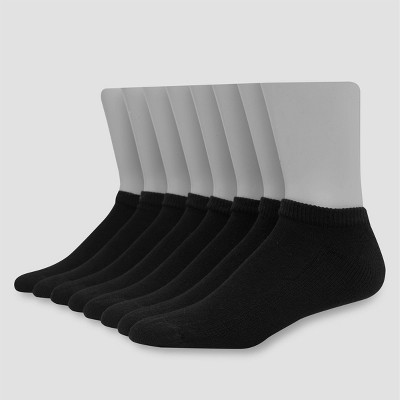
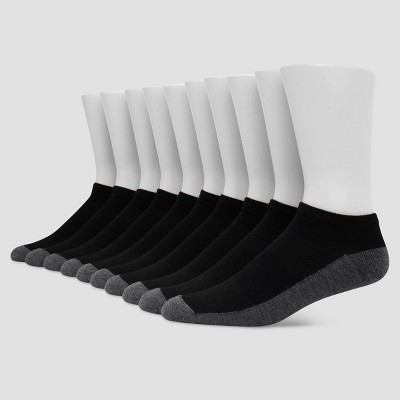
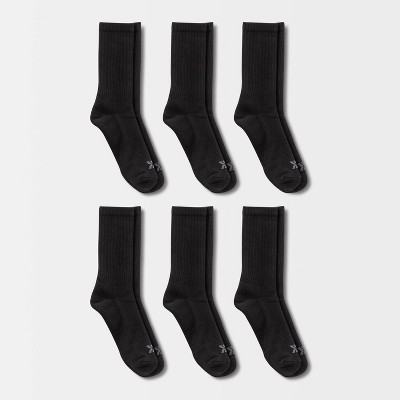
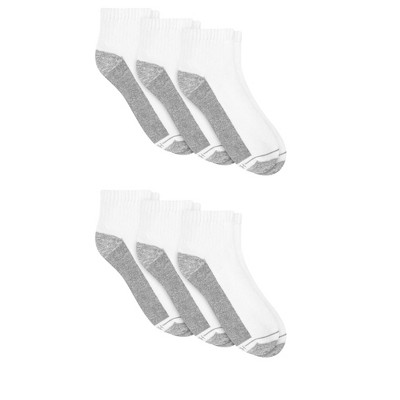
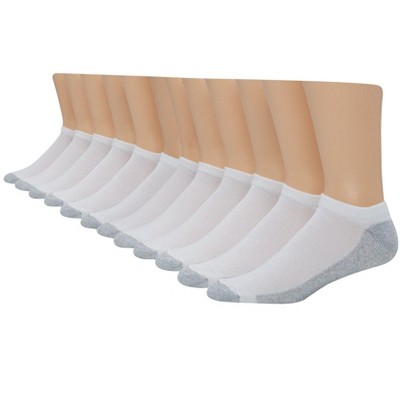
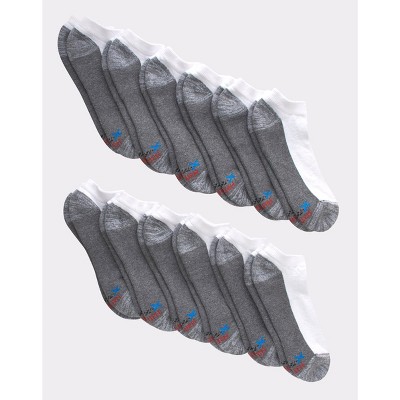
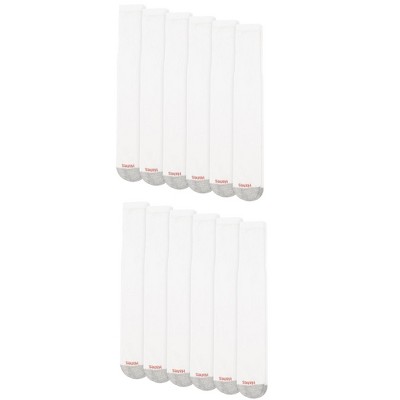
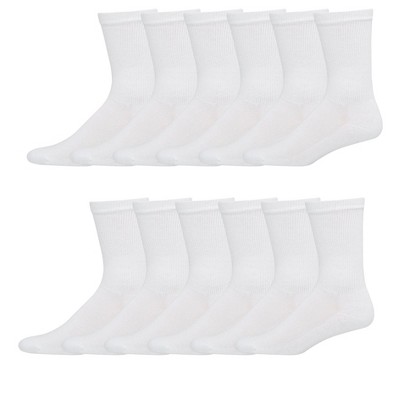
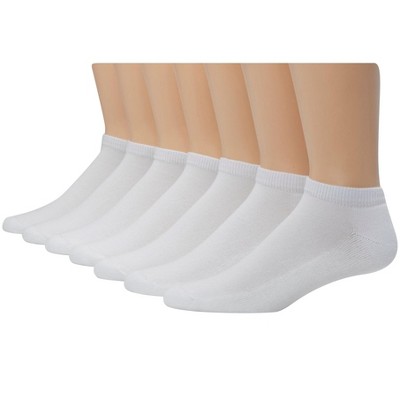
Socks are sold in single pairs and multipacks; common multipack sizes from listings include 3-pair, 6-pair, 10-pair, and 12-pair packages.