business card holders
1,000+ results for “business card holders”




$12.99 - $13.49
reg $17.39 - $17.99
Sale


 + 10
+ 10
$16.49 - $20.99
reg $21.99 - $27.99
Sale


$12.99 - $16.79
reg $17.39 - $22.39
Sale


$10.99 - $11.49
reg $14.69 - $15.39
Sale


 + 6
+ 6

$14.99 - $19.99
reg $19.99 - $26.69
Sale


Sponsored


$16.59 - $21.99
reg $27.69 - $29.39
Sale


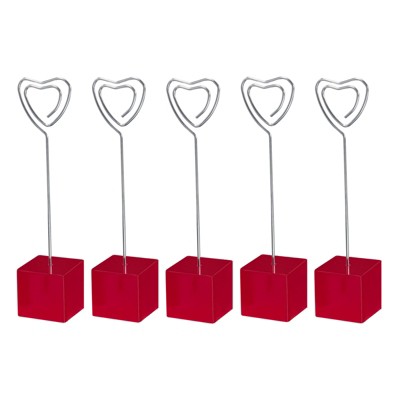
$16.29 - $17.39
reg $21.79 - $23.19
Sale


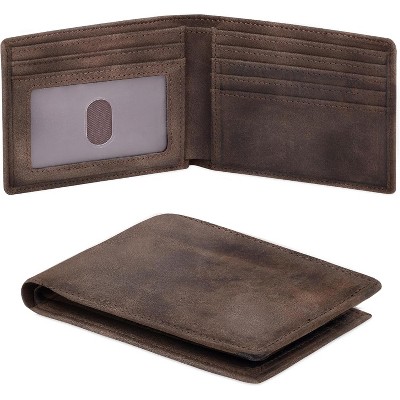
$26.99 - $28.99
reg $59.94
Sale


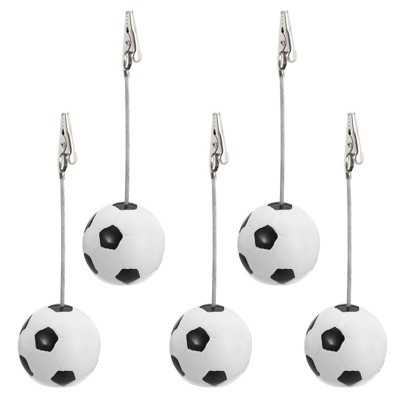

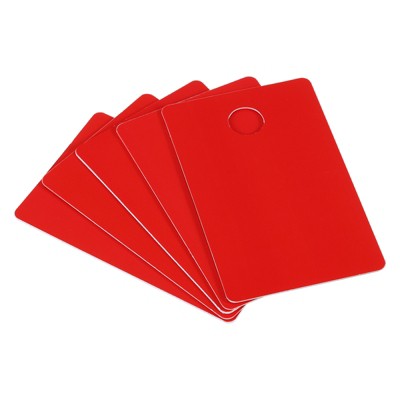

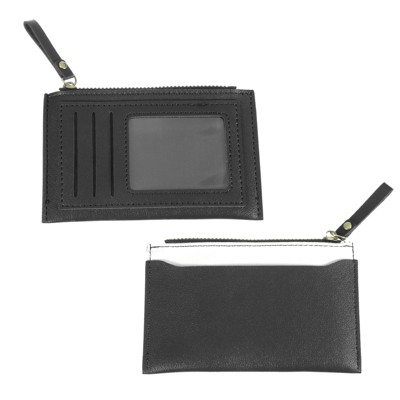
$13.99 - $14.99
reg $18.69 - $19.99
Sale


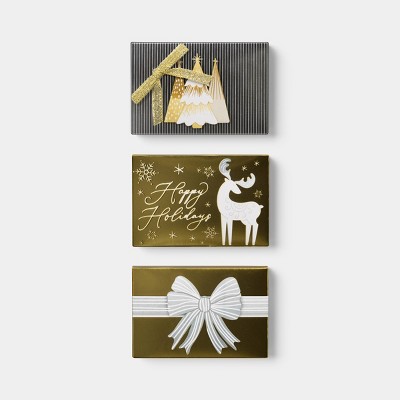
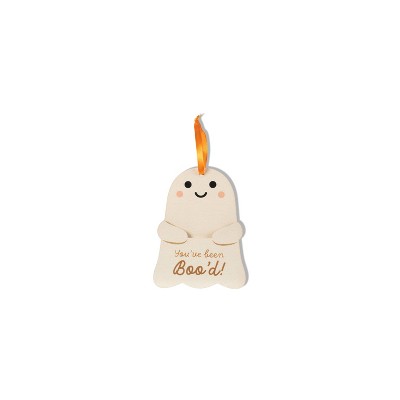
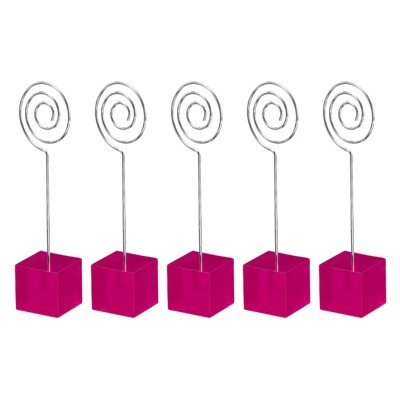
$16.49 - $17.99
reg $21.99 - $23.99
Sale


 + 4
+ 4


Sponsored
Powered by AI
Guests also ask:
Trending now
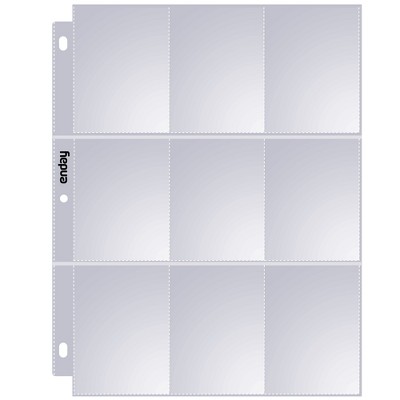
- $9.99 - $19.99reg $14.99 - $25.99 SaleEnday 9-Pockets Sports Card Holder, Heavyweight Trading Card Binder Sleeves, 3-Hole, Holds 225 Cards5 out of 5 stars with 1 ratings
- $19.26reg $42.13 Sale5 out of 5 stars with 2 ratings
- $11.59reg $19.39 Sale
- $11.99reg $15.99 Sale
- $17.49reg $23.39 Sale
- $22.00reg $25.00 Sale
- $27.99 - $33.99reg $41.48 - $50.00 Sale
- $14.39 - $15.49reg $20.69 - $24.19 Sale
- $17.49reg $23.39 Sale
- $12.49 - $14.99reg $16.69 - $19.99 Sale
- $16.49reg $21.99 Sale