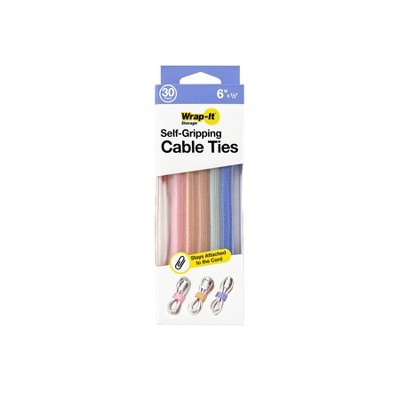
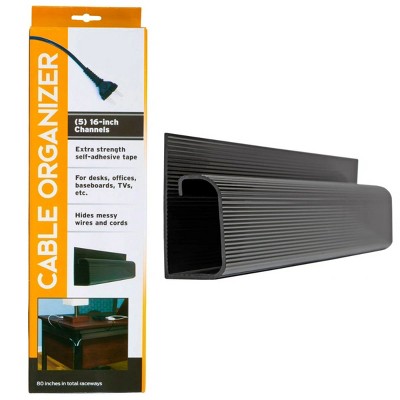
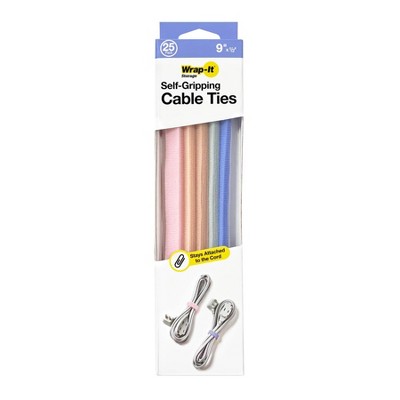
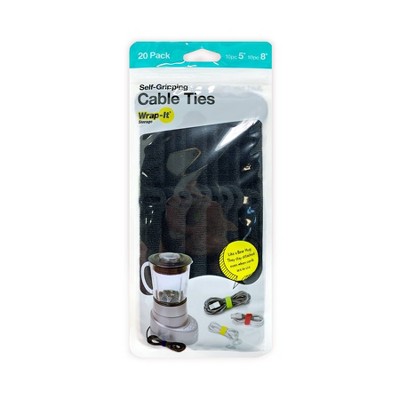
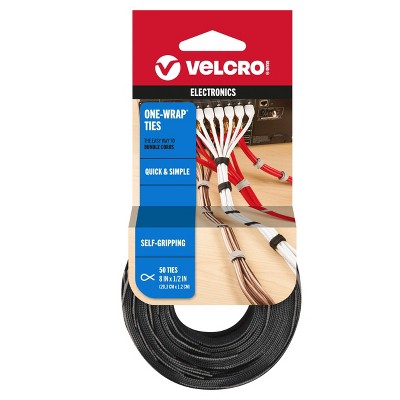
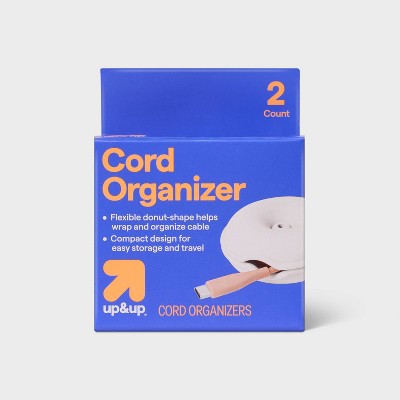
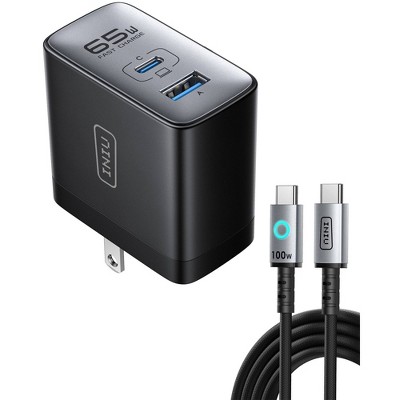
Common sizes range from short ties to multi‑foot covers: nylon cable ties are often about 14 inches long, J‑channel sections around 16 inches, and floor cord covers are commonly sold in 4‑foot and 10‑foot lengths.
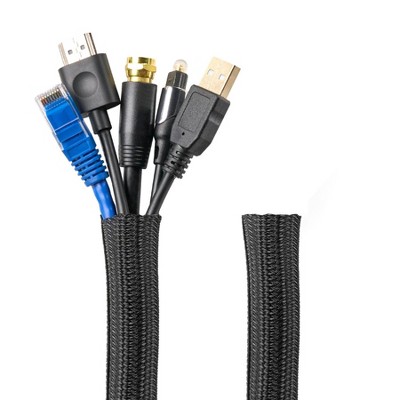
Capacity depends on cord thickness and channel design. Typical J‑channel sections are described as holding up to about 8 cords, while multi‑channel floor raceways (for example 3‑channel models) can conceal roughly 3–5 cords depending on cord size.
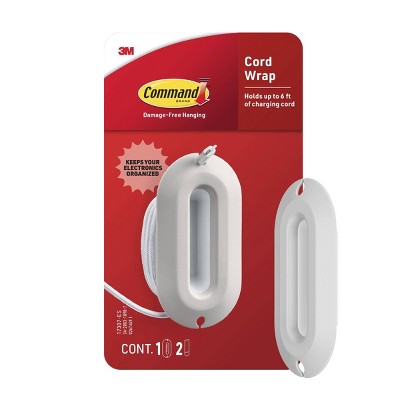
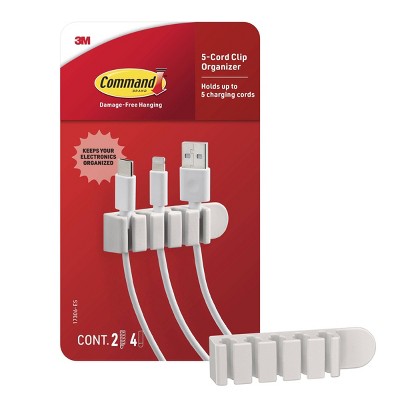
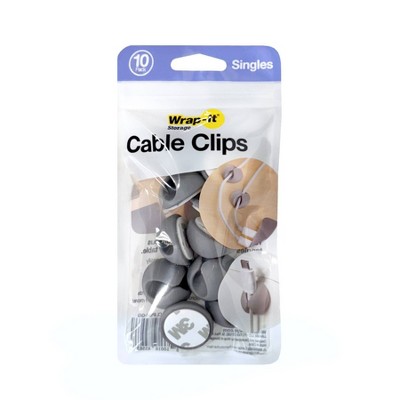
They typically mount using included self‑adhesive tape or extra‑strength adhesive strips for quick attachment to desks, walls, or baseboards.
Common materials include nylon for zip/cable ties; general plastics or PVC for channels and floor covers; and higher‑density, flame‑retardant plastics used for some cable management boxes.
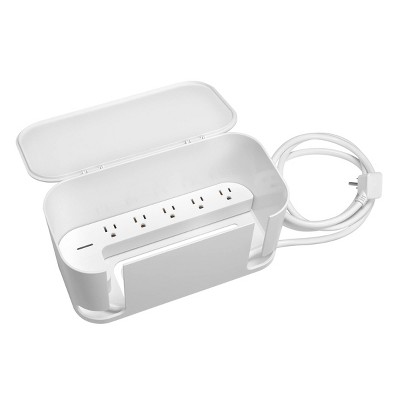
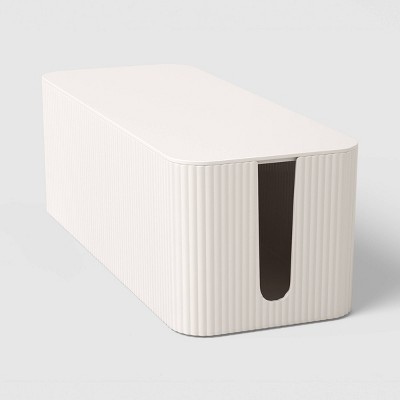
Some cable boxes incorporate power‑strip style outlets (effectively providing multiple grounded sockets), built‑in surge protection (examples up to about 900 joules), and a multi‑foot power cord (for example a 6‑foot cord) so you can place the box where needed.
Yes. Many floor cord covers can be cut shorter to fit, and channel openings can be cut or pried open with a knife or scissors before inserting cables to customize length and access.
Features that improve safety include concealing loose cables along walls, desks, and baseboards; using cable management boxes to hide surge protectors and cord slack; and floor covers that protect cords and reduce tripping hazards in walkways and doorways.