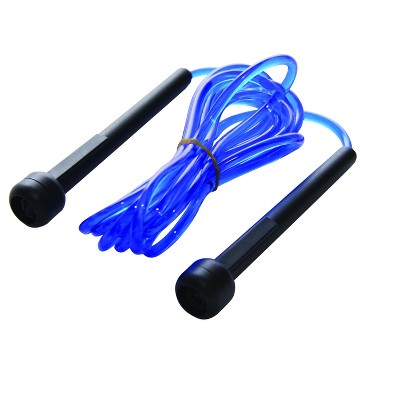
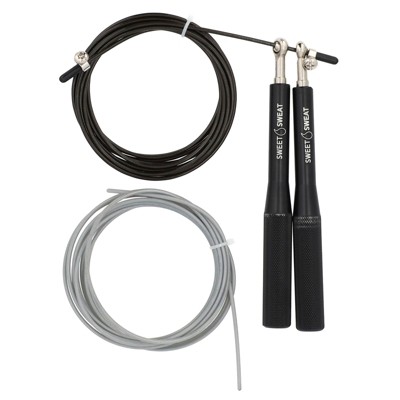
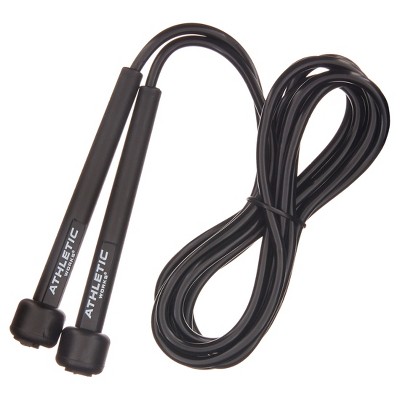
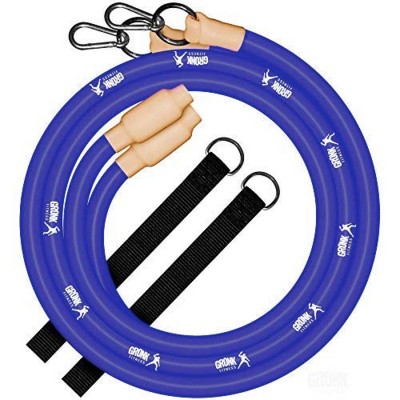
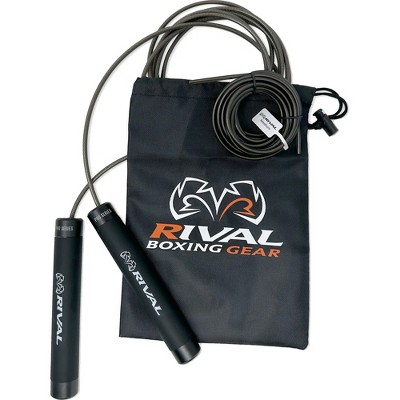
Most of the ropes use a dual-cable setup: a thin speed cable (~2.2 mm) for fast work and a thicker training cable (~3.3 mm) for strength. Cables are described as steel or steel-alloy cores with protective PVC or nylon outer coatings.
They target a broad range—from beginners (who benefit from thicker training cables for feedback and conditioning) to advanced users (who use the lightweight speed cable and smooth bearings for fast drills and double-unders).
Listings highlight smooth or 'liquid' steel bearings and alloy-steel cables; together these reduce friction and deliver stable, high-speed rotation ideal for fast singles and double-unders.
Descriptions portray them as highly portable: compact, adjustable components, quick length changes, and some models include a travel bag—making them convenient for home workouts and travel.
Adjustment methods vary: some ropes are trimmed with a wire-cutter style method, while others use a fold-over or quick-adjust system that allows tool-free length changes.
Key features for double-unders are the thin (~2.2 mm) speed cable, smooth or liquid-steel bearings for rapid rotation, and adjustable length so the rope can be tailored to the user's height.
Descriptions recommend smooth, non-abrasive surfaces such as gym floors and advise avoiding rough surfaces like concrete or asphalt to prevent premature wear of the cable coating.