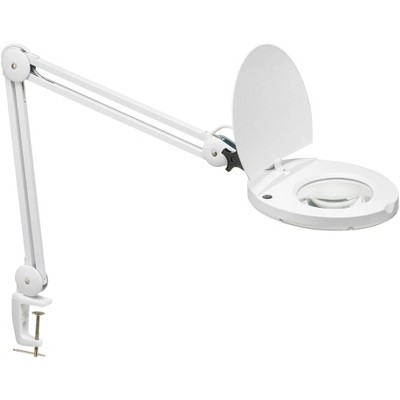
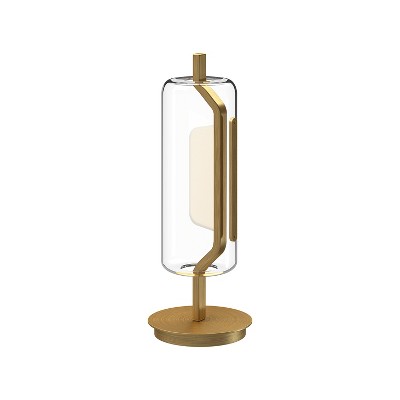
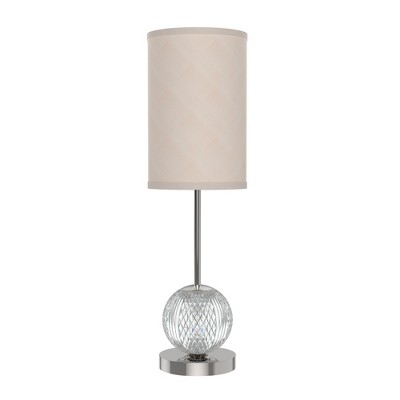
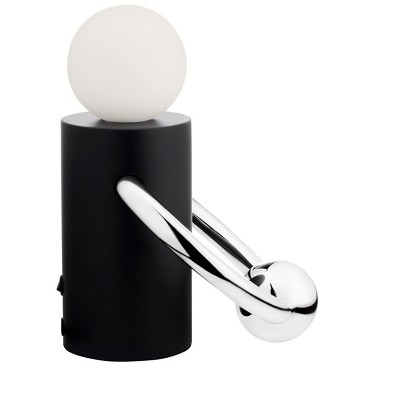
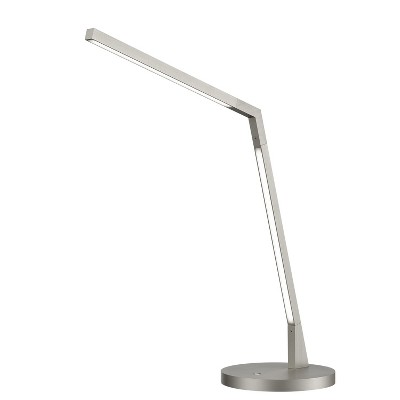
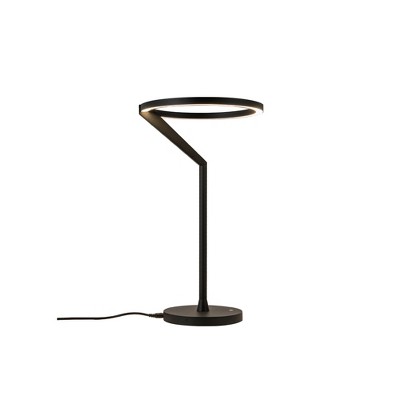
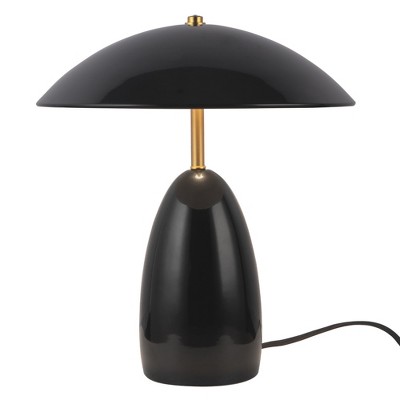
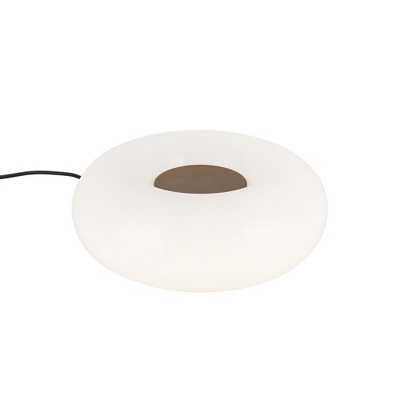
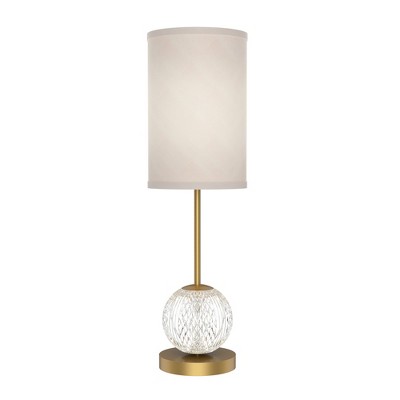
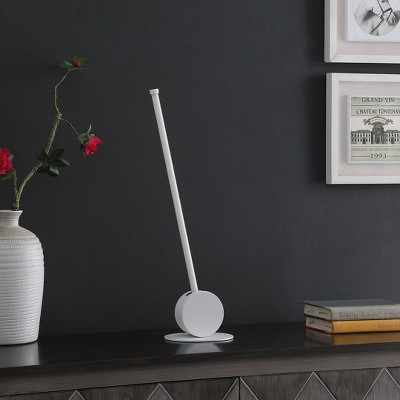
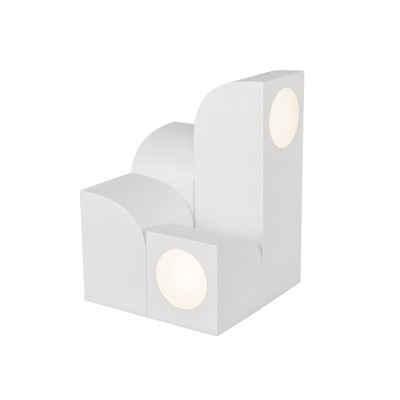
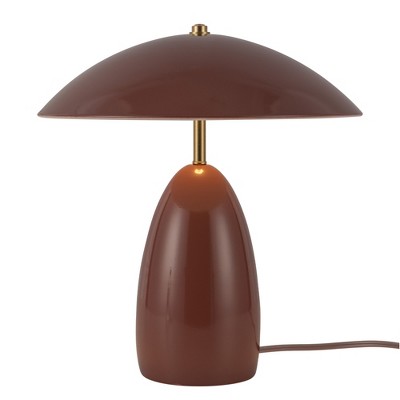
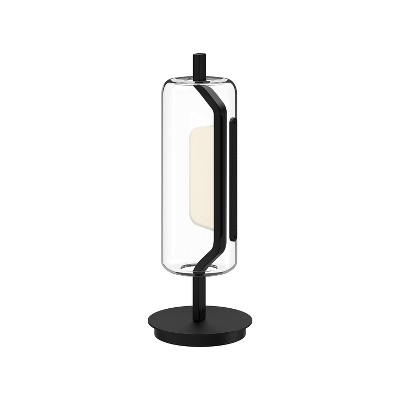
Common mounting and placement options include: clamp/clip mounts with flexible goosenecks for desks and shelves; hanging or flush‑mount hardware for strip or panel fixtures; and stake or plug‑in desk lamps that insert into potting soil or stand beside plants.
Desktop LED grow lights span from very low‑power plug‑in or USB lamps of just a few watts (examples as low as ~2.5 W) up to high‑output fixtures rated into the low hundreds of watts (roughly 200–250 W in some listings).
Common features include multi‑level or continuous dimming, spectrum or mode switches (e.g., veg/flower), built‑in timers or scheduling on some models, selectable brightness gears, and physical adjustments like adjustable heights, clip/on gooseneck positioning and daisy‑chain/dimming links on larger fixtures.
Many designs use passive, low‑heat approaches such as enlarged heatsinks or aluminum/unibody housings (fanless cooling) and built‑in electronic drivers; some models use other cooling methods. Durable features listed in some listings include dust/water protection ratings and components chosen for longer diode life.
Brightness varies widely by design: small desk or stake lamps often list a few hundred lumens (roughly 250–900 lm), strip and panel fixtures list thousands of lumens, and some high‑output fixtures in the set list values as high as about 26,000 lm.