diabetic sugar
Guests also ask:
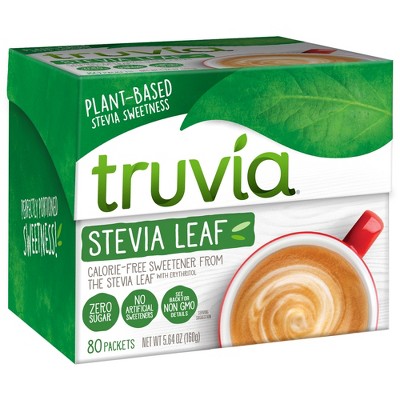
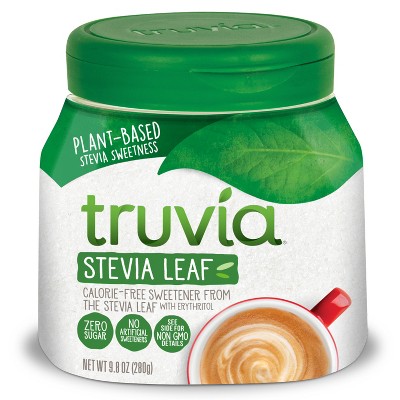
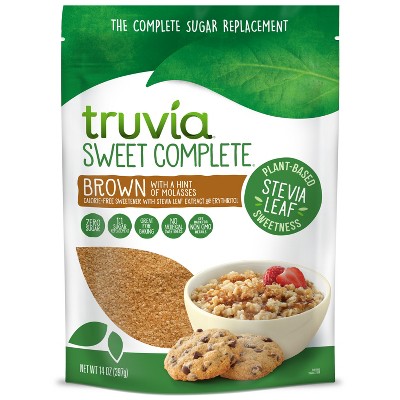
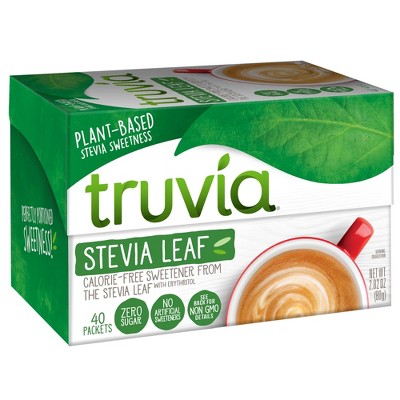
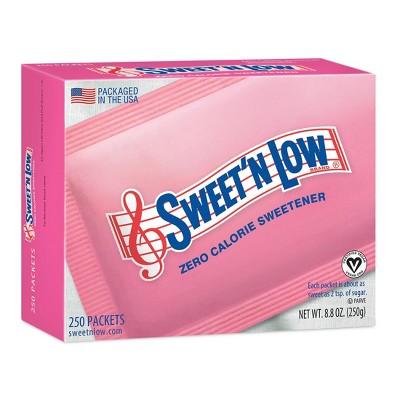
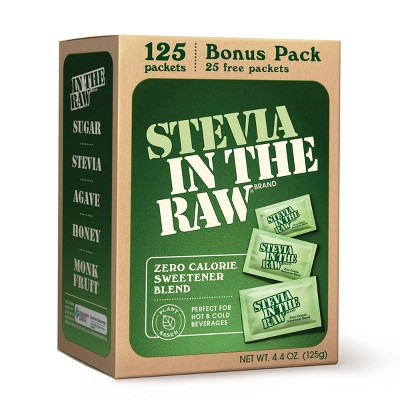
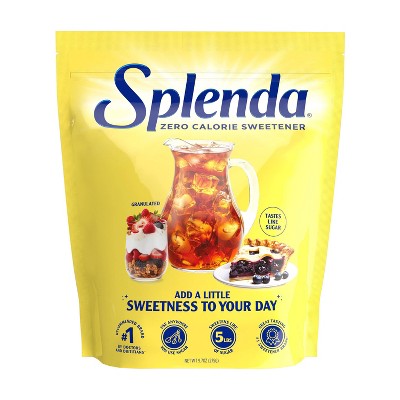
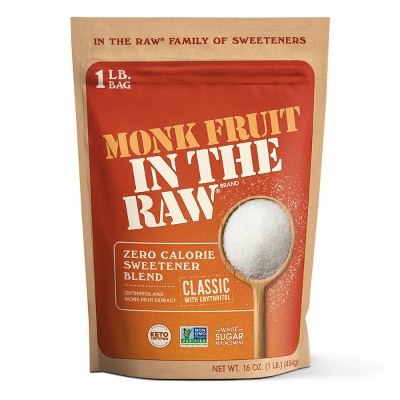
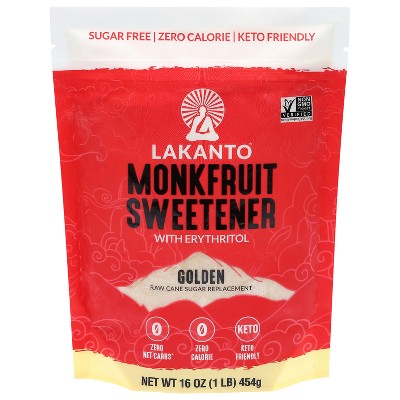
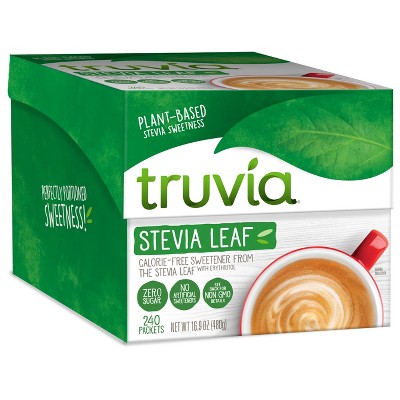
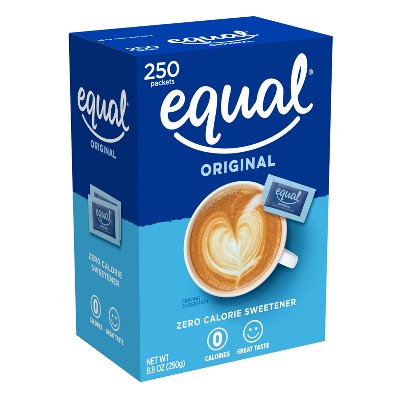
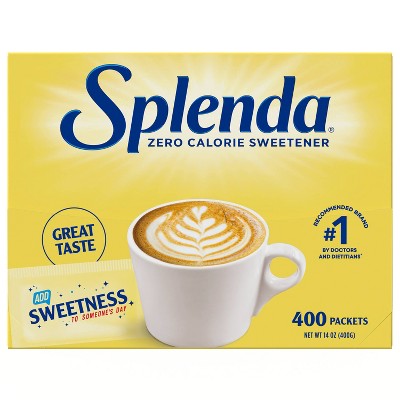
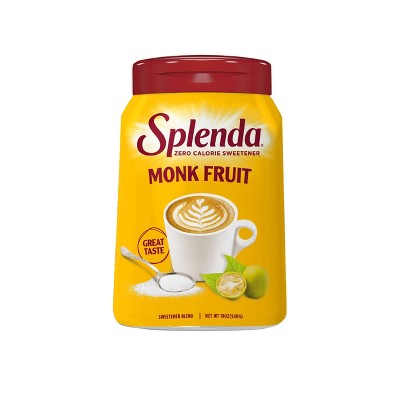
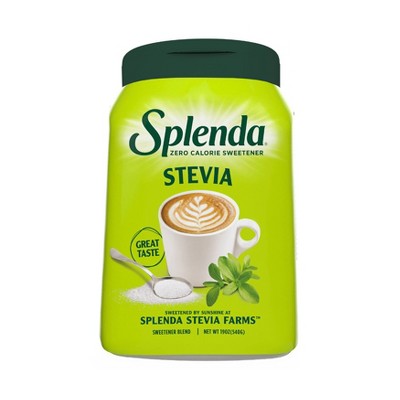
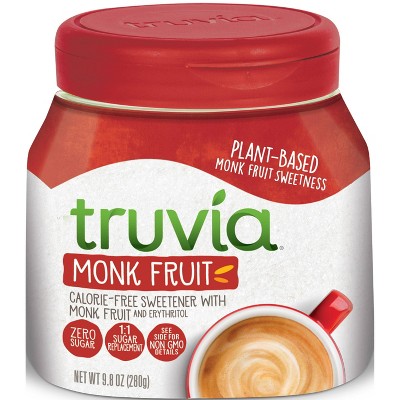
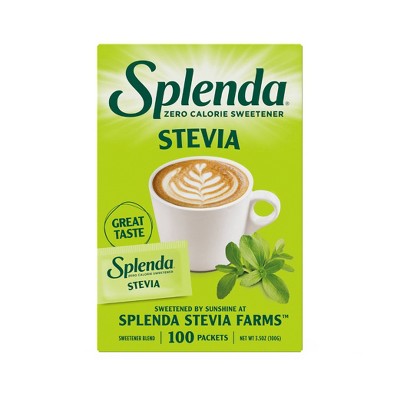
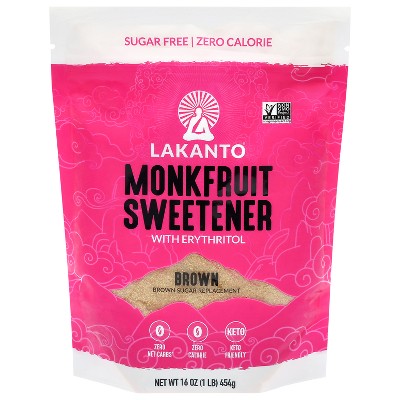
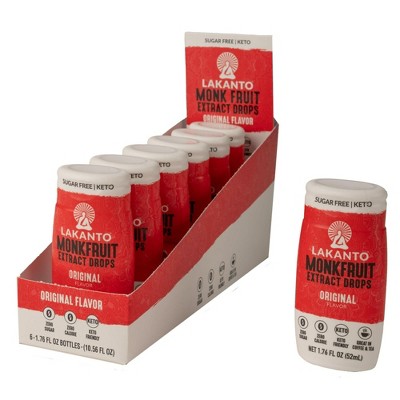
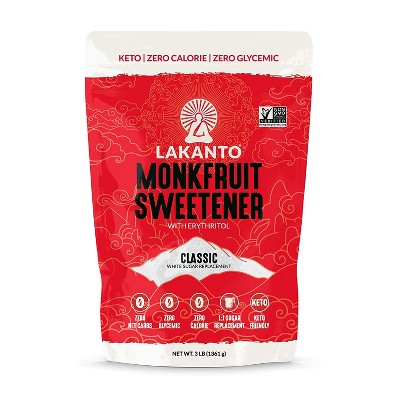
Several items are described as zero-calorie or zero-net-carb alternatives, including liquid monk fruit drops, granulated allulose, and spoonable/packet stevia blends and bulk packet sweeteners.
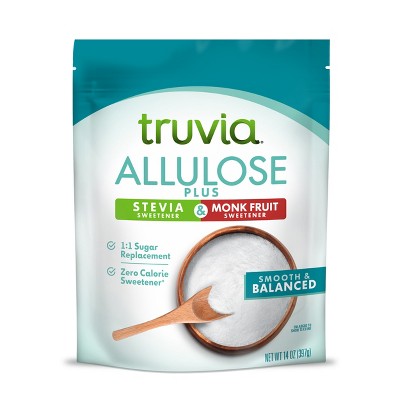
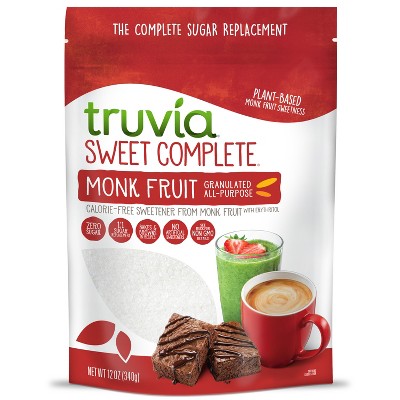
Sweetness varies by type: granulated allulose is about 70% as sweet as sugar, so you would use roughly 1 1/3 cups of allulose to replace 1 cup of sugar. Stevia/erythritol blends and some packet sweeteners are much more concentrated, so small amounts of these can match the sweetness of about 2 teaspoons of sugar.
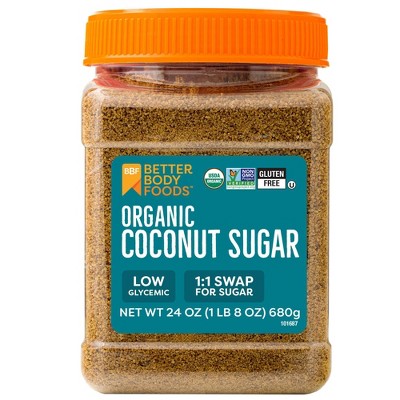
The offerings include liquid concentrates (monk fruit drops), granulated sweeteners (allulose and stevia/erythritol blends, coconut sugar), and chewable glucose tablets.
Glucose chewable tablets are described as containing four grams of fast-acting carbohydrates per tablet, formulated to raise blood sugar and boost energy, and noted as chewable and caffeine-free.
Some liquid monk fruit drops are labeled "No Erythritol, No Aftertaste," and granulated allulose is described as not leaving a cooling aftertaste; other granulated stevia blends do include erythritol.
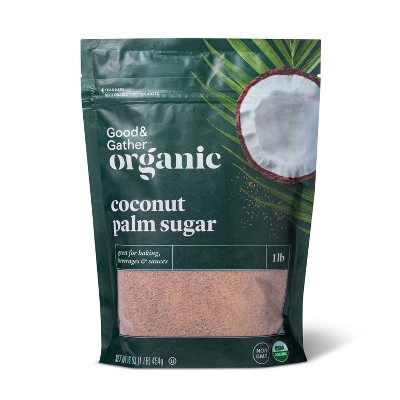
Organic coconut sugar is described as lower on the glycemic index than regular table sugar, given as 54 compared to table sugar at 63.
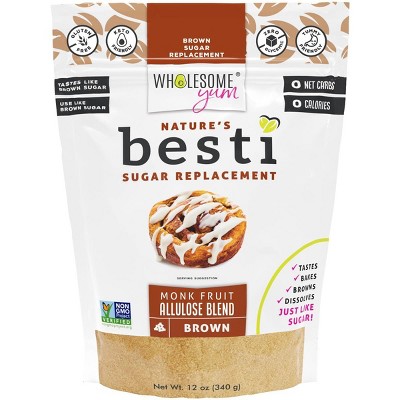
Granulated allulose and organic coconut sugar are described as suitable for baking and cooking—allulose is said to bake, dissolve, and brown like sugar, and coconut sugar is labeled unrefined for baking and cooking; some calorie-free sweeteners are also noted as usable in recipes.