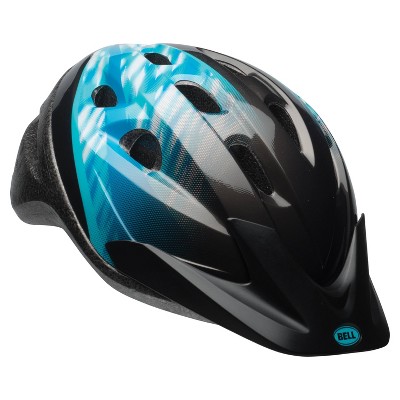
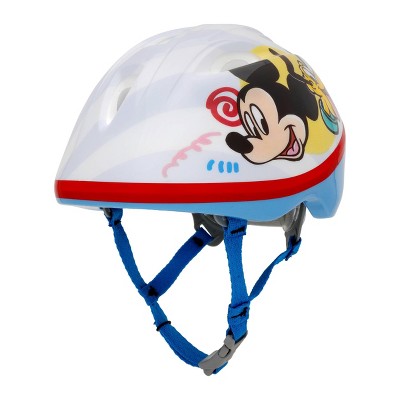
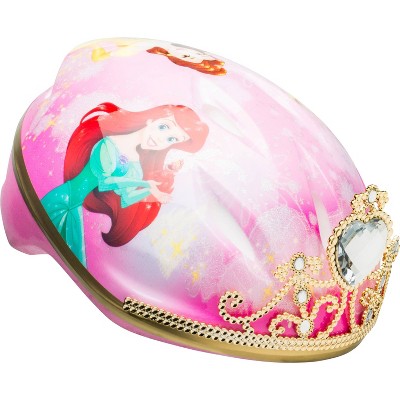
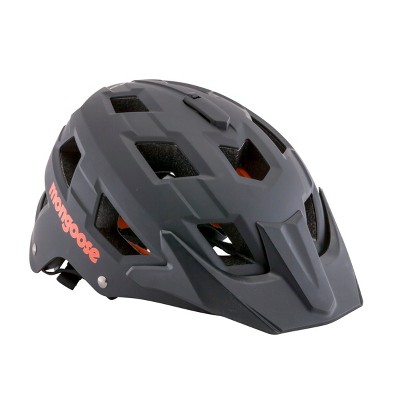
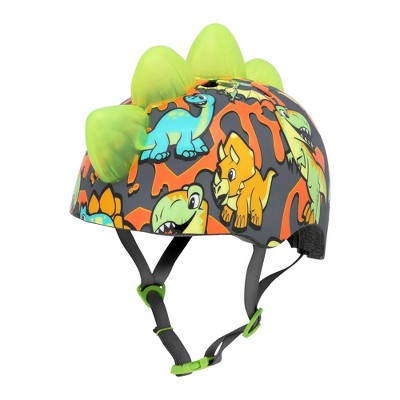
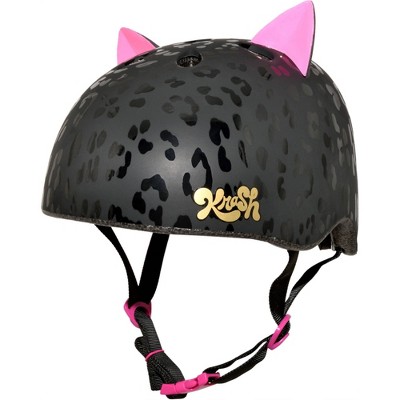
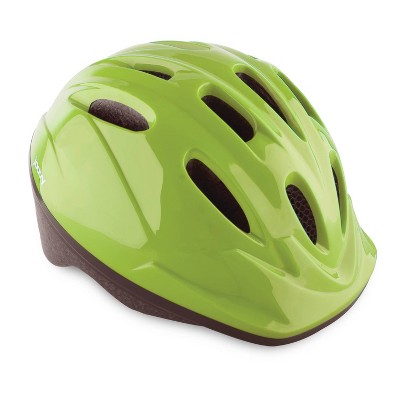
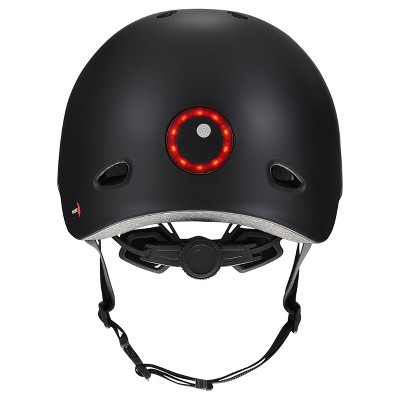
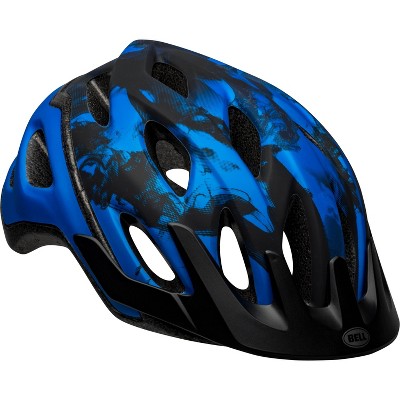
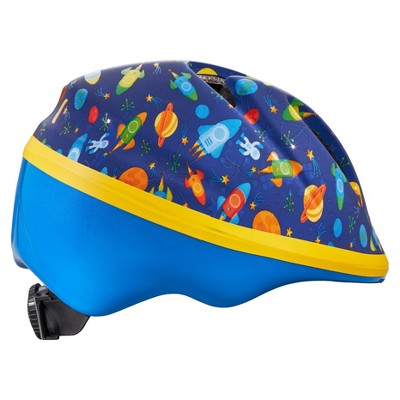
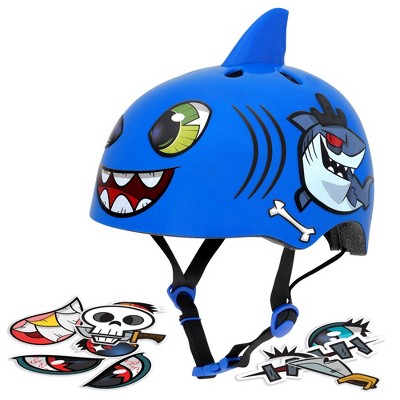
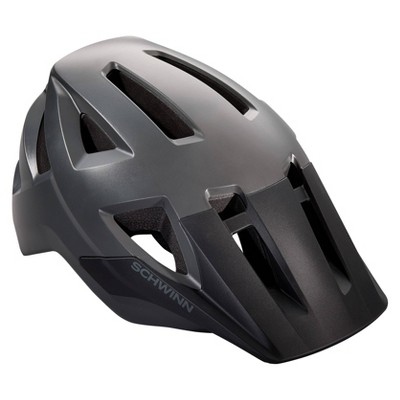
Common light modes include steady/solid, flashing/blinking, and strobe. Activation methods vary by model and may include push-button controls or motion-activated sensors; some lights are mounted on straps or the rear of the helmet.
Power options vary. Some helmets come with batteries included (for example, coin-cell types such as 2 × CR2032 or generic “batteries included”), while others use replaceable batteries — one multi-sport listing specifies a replaceable battery rated for about 30 hours. Check the product details to confirm battery type and replacement options.
These helmets are marketed as multi-sport products for cycling, skateboarding, inline skating, scooter riding, and street hockey — covering both bike and action-sport use.
Common standards cited include the U.S. CPSC bicycle-helmet standard (for ages 5+), ASTM F1492 and ASTM F1447, EN 1078, and, on some multi-sport models, NTA 8776 e‑bike certification.
Materials listed across models include EPS (expanded polystyrene) liners, polycarbonate and ABS shells, EVA and PVC components, and various foams — typically used in combinations.
Controls vary by model: common options are a back-mounted push button or push-mode control and motion-activated sensors that turn lights on with movement. Some helmets include removable rear lights, and several listings note an auto-shutoff feature to conserve battery.