Target New ArrivalsBack to SchoolCollegeHalloweenClothing, Shoes & AccessoriesHome & DecorKitchen & DiningOutdoor Living & GardenGroceryHousehold EssentialsBabyBeautyPersonal CareSports & OutdoorsPetsHealthWellnessSchool & Office SuppliesToys & GamesElectronics & TechVideo GamesMovies, Music & BooksParty SuppliesGift IdeasGift CardsShop by CommunityTarget OpticalDealsClearanceNew ArrivalsBack to SchoolCollegeTop DealsTarget Circle DealsWeekly AdShop Order PickupShop Same Day DeliveryRegistryRedCardTarget CircleFind Stores

french press filter

1,000+ results for “french press filter”
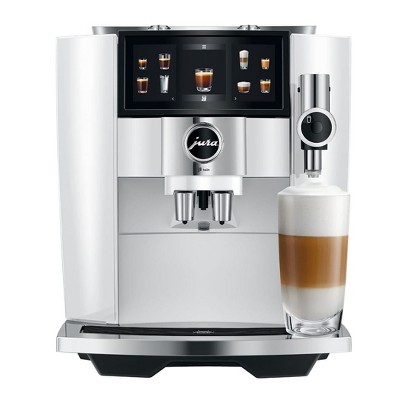
Jura E8 Piano White

Sponsored

Nespresso Essenza Mini Coffee and Espresso Machine by De'Longhi, Black

Sponsored

Powered by AI

Guests also ask:

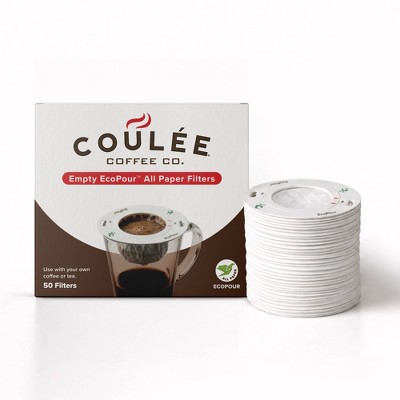
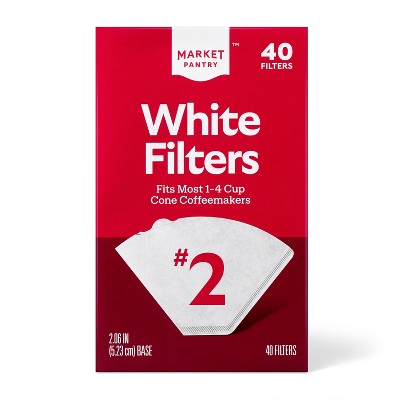
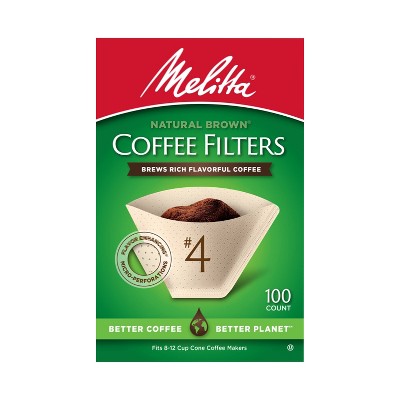
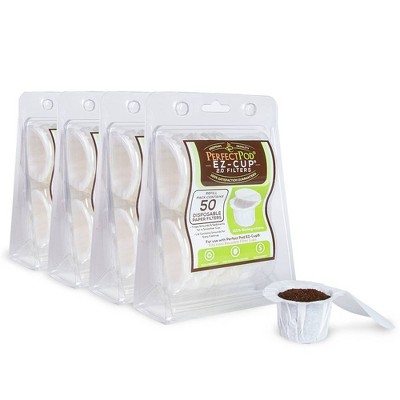
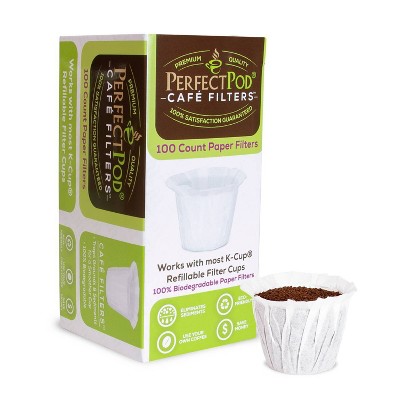
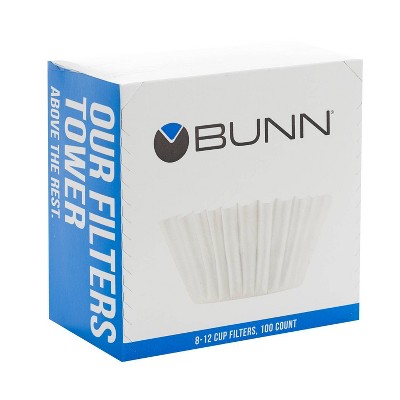
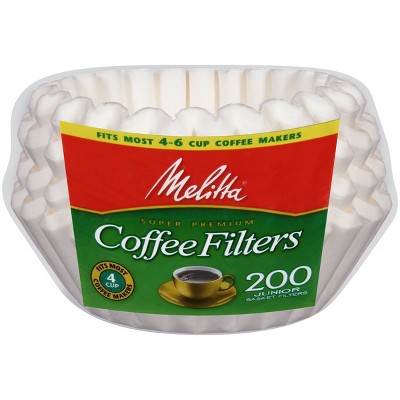
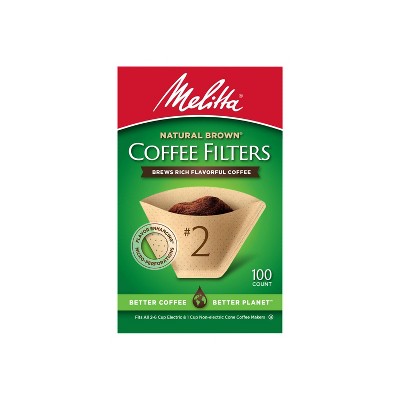
Common pack sizes vary widely. Examples include single reusable filters, small multi-packs (about 2), small boxed counts (around 6), larger disposable packs (100), and bulk packs (350 and 600).

Rinse cotton filters after each use and allow them to dry completely before storing or reusing. Soap isn’t required, but a mild detergent can be used occasionally. With normal care, some cloth filters are described as lasting about a year.

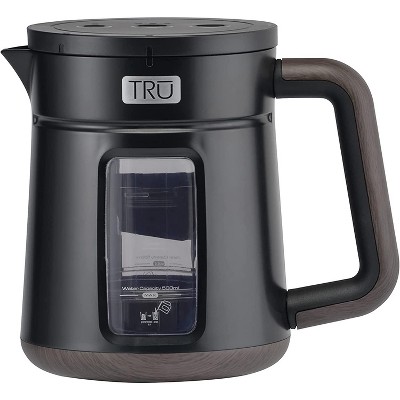
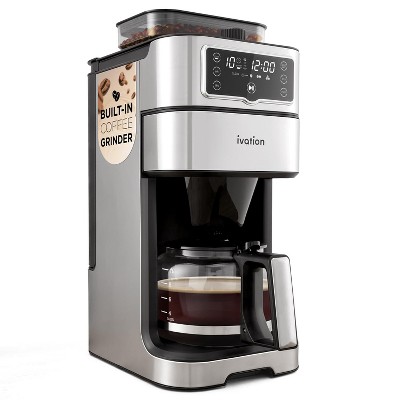
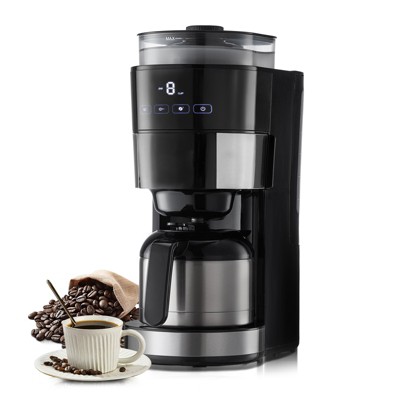
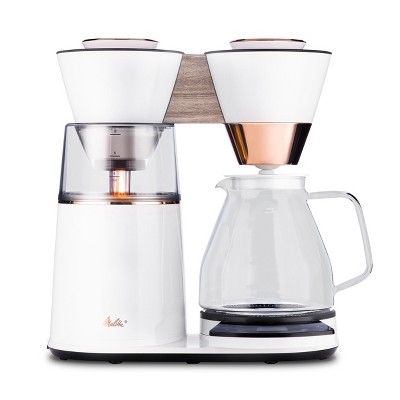
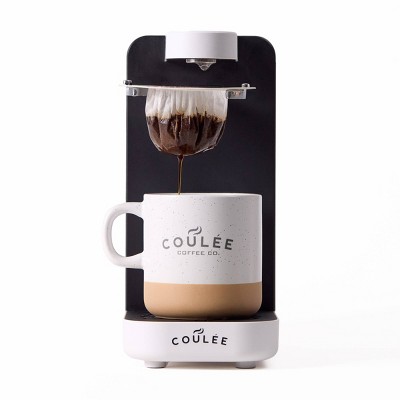
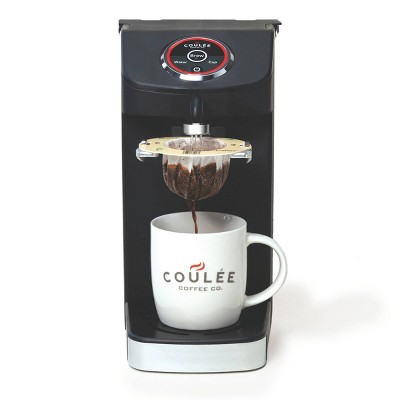
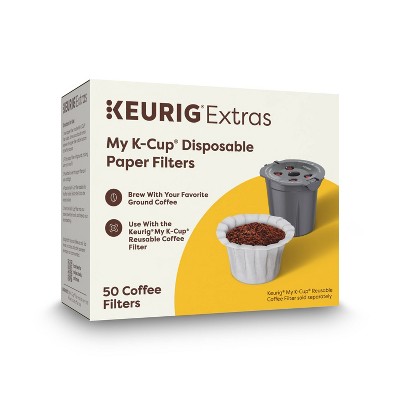
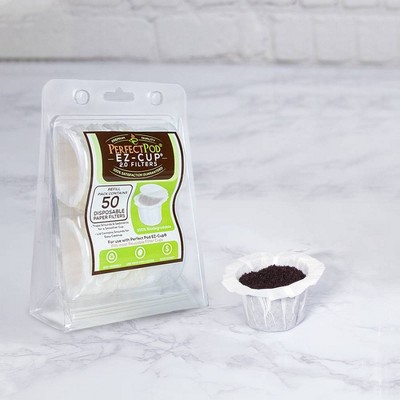
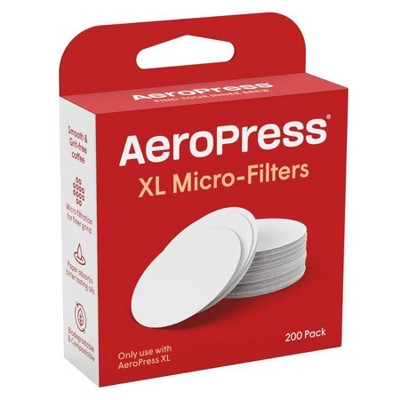
The results cover a range of brew methods: pour-over and cone-style brewers, drip/basket coffee makers, cold brew (including mason-jar cloth filters), reusable cloth for pour-over or cold brew, and small press-style single-cup brewers that use paper micro-filters.

According to the product descriptions, stainless-steel reusable filters don’t alter the coffee’s flavor profile and produce a bold, full-bodied extraction similar to unfiltered methods. They also eliminate the need for disposable paper filters, reducing paper waste compared with single-use paper options.

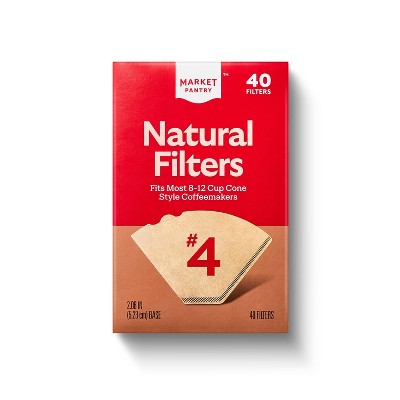
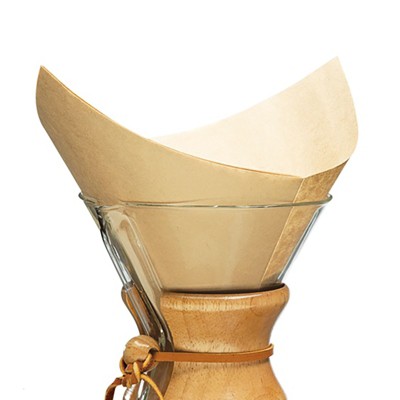
Filters shown use thin porous paper (for disposable drip and micro-filters), cotton fabric (for reusable cloth filters), and stainless steel (for reusable metal drippers and meshes).

Paper micro-filters trap fine grounds and absorb bitter oils, producing a smooth, grit-free cup. French press brewing lacks micro-filtration, so it typically allows more oils and some fine sediment through, resulting in a fuller-bodied but sometimes grittier cup.

Reusable organic cotton cloth filters are described as eco-friendly, zero-waste, and compostable at end of life. Some reusable stainless-steel and cloth filters are noted for reducing waste, and certain paper micro-filters are labeled biodegradable and compostable.

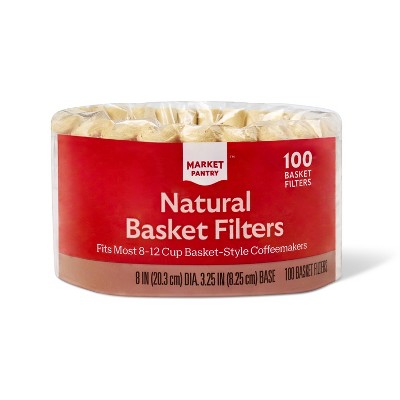
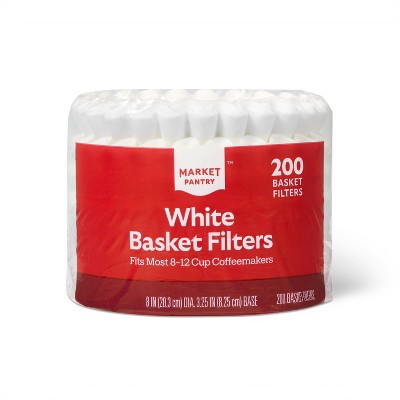
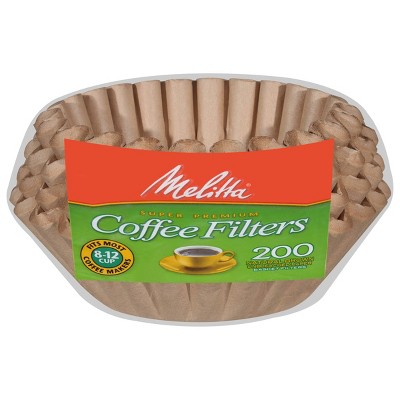
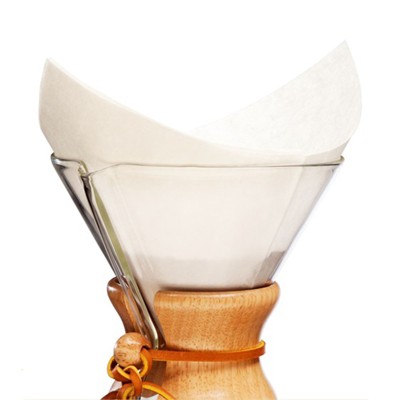
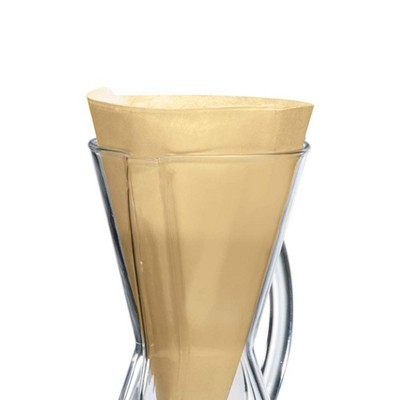
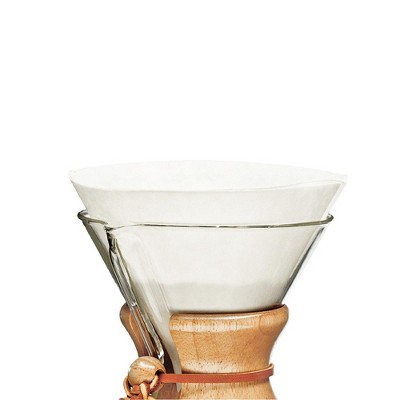
The results show flat‑bottom (basket) filters and fluted/taller‑walled paper filters. Flat bottoms help level the grounds and provide even extraction, while fluted or wavy walls and heavier paper encourage steadier flow, reduce overflow risk, and can slow water movement for more immersion.

Get top deals, latest trends, and more.