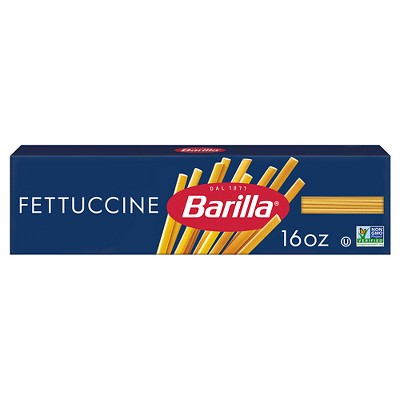
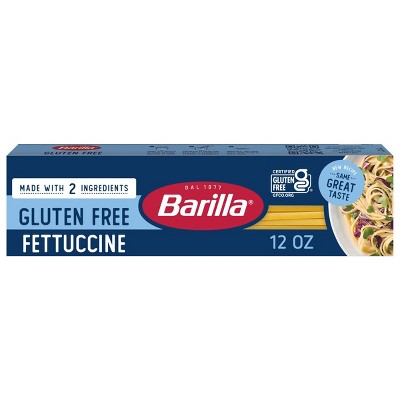
Common dietary labels and certifications shown include gluten‑free (sometimes labeled Certified Gluten‑Free), Non‑GMO Project Verified, and kosher. Specific labeling varies by product.
Bronze‑die extrusion and slightly coarse textures are commonly described; the resulting rougher surface helps sauces capture and cling to the pasta.
Typical traditional steps include milling durum wheat into coarse semolina, kneading the dough with cold spring water, extruding the dough through bronze dies to create a rough surface, and slow‑drying at low temperatures.
Review summaries most often mention good flavor, pleasing texture, and overall satisfactory quality. Some reviewers specifically praise certain gluten‑free versions and indicate they would repurchase.
Cook times vary by product. In these listings, regular dried fettuccine commonly shows ranges such as about 9 minutes; 11–12 minutes; or 12–13 minutes. Gluten‑free options generally list around 13–14 minutes. Always check the package for the exact time; one label also suggests adding an extra minute for a more tender result.
Many fettuccine are sold in 16‑ounce (1‑lb) packages; some gluten‑free options come in 12‑ounce bags. Multipack formats (examples include 4‑pack and 8‑pack) are also offered.
Directions typically advise bringing about 4–6 quarts of salted water to a boil, adding the pasta, and boiling uncovered for the package's stated time. Example cook times from labels include 9 minutes; 11–12 minutes; 12–13 minutes; and about 13 minutes for some gluten‑free items. One label also notes adding an extra minute for a more tender result.
Regular dried fettuccine is made from durum wheat/semolina and in these listings shows cook times such as 9 minutes; 11–12 minutes; or 12–13 minutes. Gluten‑free fettuccine is made from rice and corn and typically lists cook times around 13–14 minutes (about 13 minutes in some examples).